
Thailand’s GULF and Google Cloud Expand AI‑Powered Infrastructure Blueprint For ASEAN
Thailand’s Gulf Development Public Company Limited (GULF) is emerging as a regional case study in how energy and digital infrastructure strategies can reinforce each other, following back‑to‑back announcements on large‑scale renewable financing and AI partnerships. The company’s …

Thailand’s Gulf Development Public Company Limited (GULF) is emerging as a regional case study in how energy and digital infrastructure strategies can reinforce each other, following back‑to‑back announcements on large‑scale renewable financing and AI partnerships. The company’s moves are closely watched across ASEAN and the Gulf, where utilities and tech firms are exploring similar alliances.
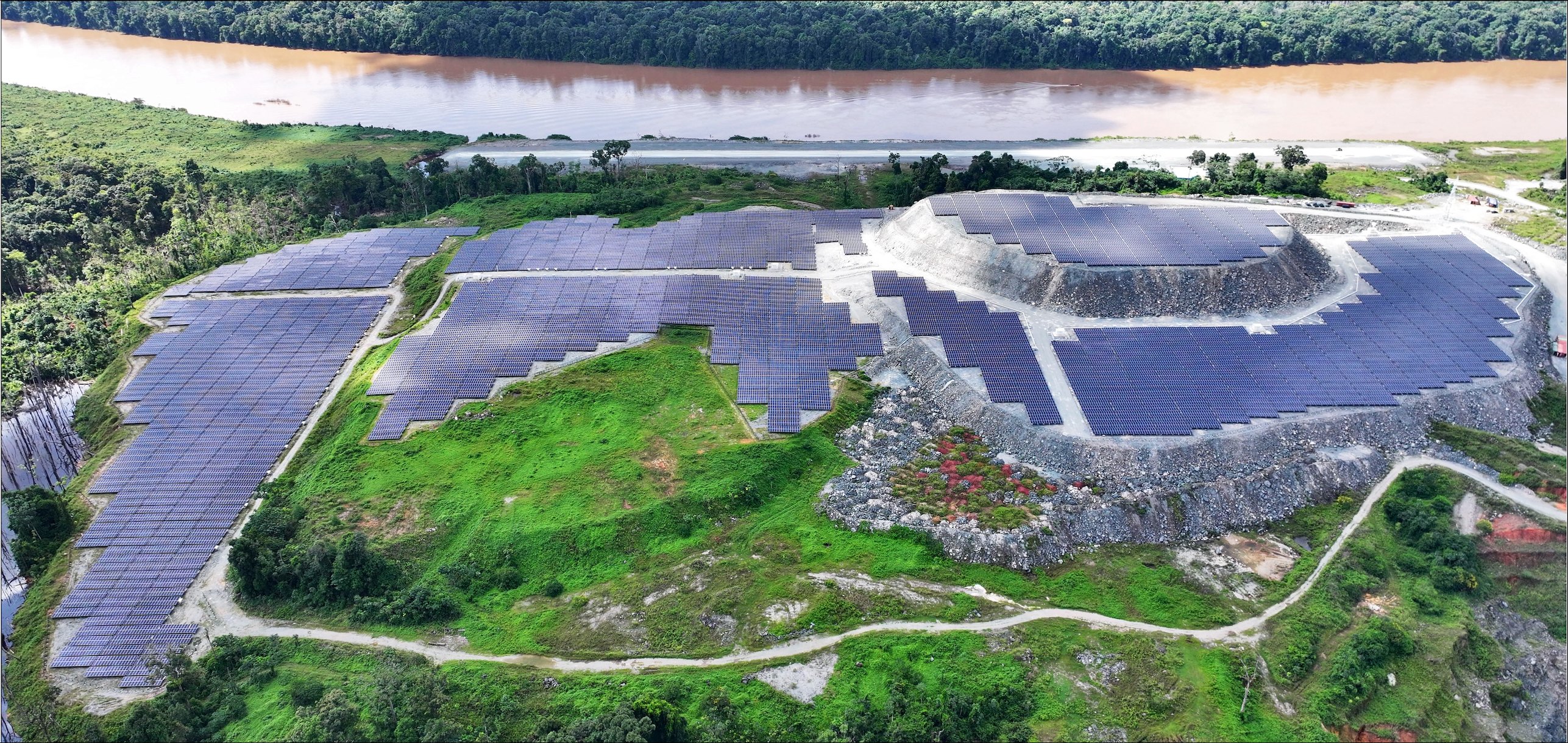
On 10 February, GULF confirmed it had secured 60 billion baht (about 1.9 billion dollars) in loan facilities to fund 27 renewable‑energy projects totaling 939 megawatts of contracted capacity, including 843 MW of solar and solar‑plus‑battery storage and 96 MW of waste‑to‑energy. The Asian Development Bank is acting as sole mandated lead arranger and bookrunner for the portfolio, underlining the importance of multilateral support in scaling private green investment.
Less than three weeks earlier, GULF Edge—a GULF affiliate—announced a strategic collaboration with Google Cloud aimed at accelerating Thailand’s AI‑powered transformation across industries. The partnership focuses on building AI and cloud capabilities in sectors such as energy, manufacturing, retail, and financial services, and includes plans to upskill Thai developers and enterprises in using Google Cloud’s AI stack.
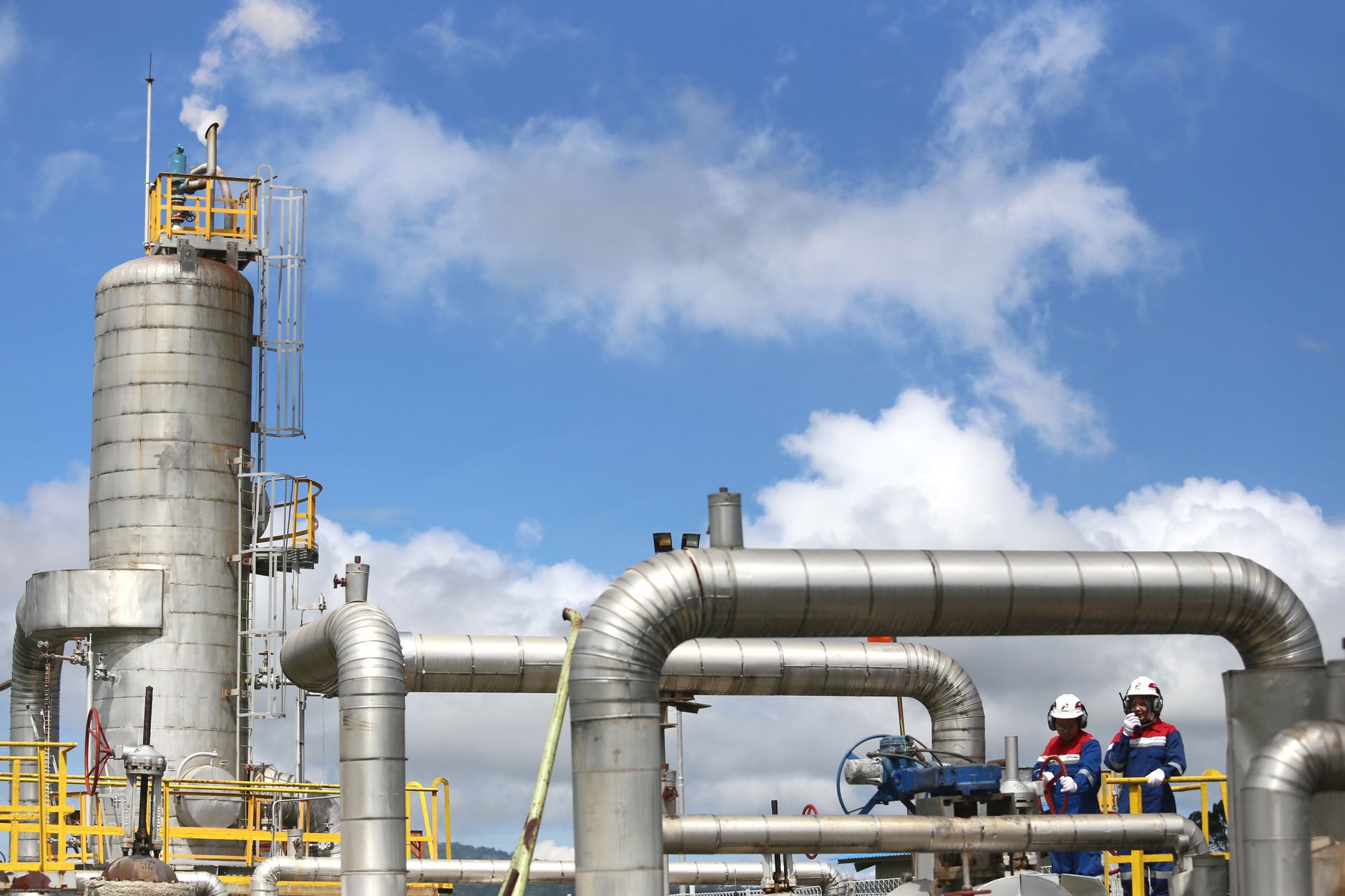
Taken together, these announcements position GULF at the intersection of two global megatrends: decarbonization and AI‑driven digitization. The company’s renewable portfolio can provide lower‑carbon power to data centers and industrial facilities that increasingly rely on AI, while its tech partnership offers tools to optimize energy production, grid management, and customer services.
For ASEAN neighbours such as Vietnam, Indonesia, and Malaysia, GULF’s model offers a template. As these countries expand renewables and seek to attract cloud and AI investments, integrated strategies that align power development with digital‑infrastructure needs could reduce bottlenecks and enhance investor confidence.
Gulf energy players are paying attention as well. National oil companies and utilities in the UAE, Saudi Arabia, and Qatar are exploring partnerships with global cloud providers to manage everything from seismic data to customer billing, while also investing in domestic AI ecosystems. Thailand’s experience with GULF and Google Cloud offers lessons on governance, talent development, and regulatory coordination.
Over the medium term, GULF’s success—or failure—in executing this dual strategy will be a bellwether for similar efforts across emerging markets, where the need to add low‑carbon power and digital capacity is acute. A virtuous cycle of reliable green power enabling AI‑rich industries, which in turn improve grid and asset management, could significantly accelerate ASEAN’s transition to a more sustainable, digitally enabled economy.

Written by
TPC Editorial Desk
The Platinum Capital editorial desk
Articles on The Platinum Capital are produced by the TPC editorial desk with the assistance of AI tools, and edited before publication. TPC Awards profiles are based on information provided in nominations and checked against public sources. Reach out at info@theplatinumcapital.com.