
The Gulf Crisis Rewrites Asia’s Assumptions About Oil, LNG And Supply Security
The Iran war has become more than a regional crisis. It is now a global energy shock that is forcing Asia to rethink the assumptions behind its fuel, LNG and electricity planning. Reuters reported in late March that oil prices were surging as the Middle East crisis escalated, whi…

The Iran war has become more than a regional crisis. It is now a global energy shock that is forcing Asia to rethink the assumptions behind its fuel, LNG and electricity planning. Reuters reported in late March that oil prices were surging as the Middle East crisis escalated, while energy executives warned the damage could be long term.
Al Jazeera reported that roughly 20% of global crude and gas supply has been suspended because of the shutdown of the Strait of Hormuz and the disruption of Gulf energy infrastructure. That has immediate effects on shipping, insurance and inventories, but the deeper effect is strategic: the market is no longer assuming Gulf supply is always reliable.
Asia is the most exposed region. Japan, South Korea, India, China and much of Southeast Asia depend heavily on imported oil and gas. Qatar’s LNG role is particularly important for North Asia, and any prolonged production disruption would force buyers to scramble for alternatives.
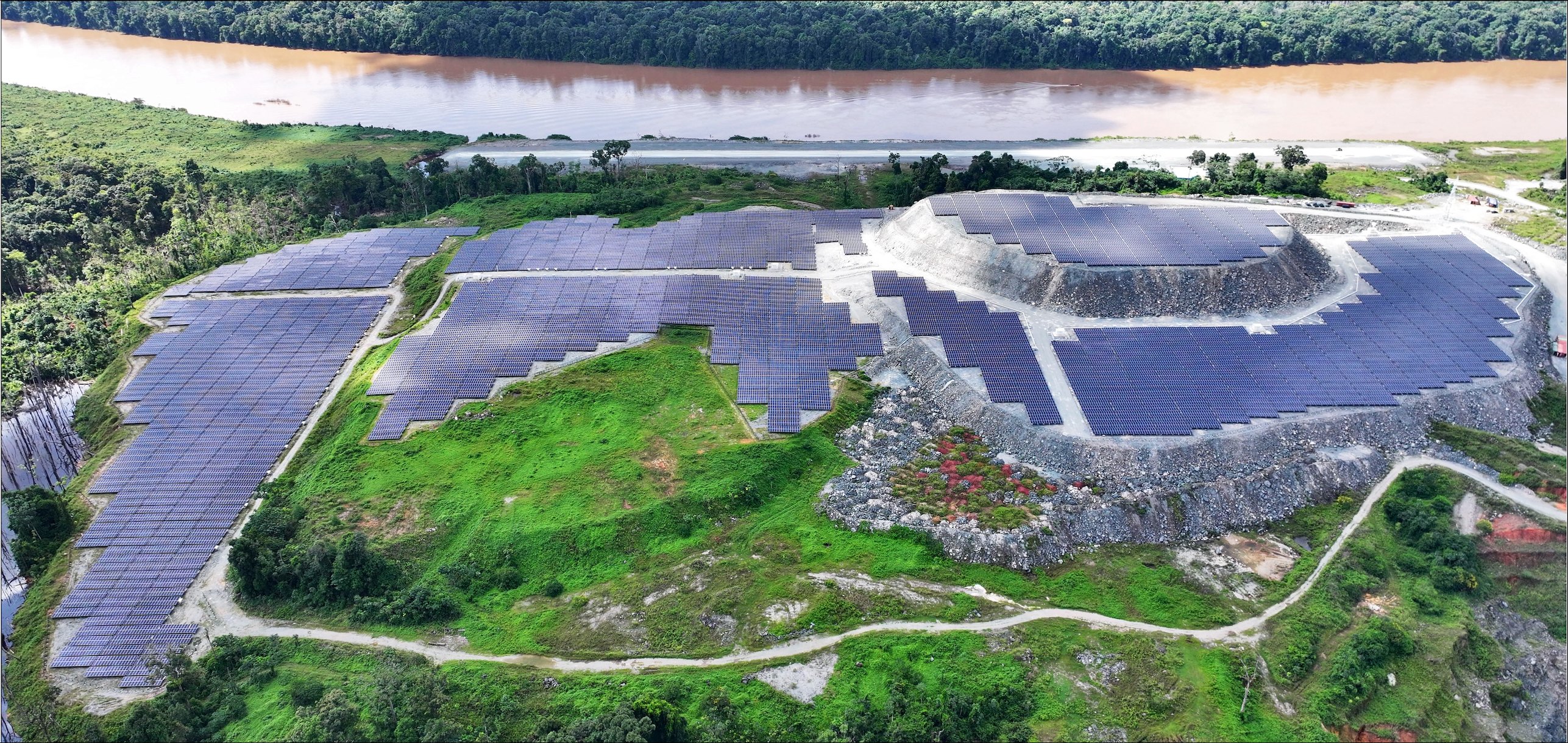
The policy response is starting to take shape. Central banks are less willing to cut rates because energy inflation is reappearing, while governments are revisiting reserve releases, subsidy policy and emergency procurement. At the same time, the crisis is accelerating investment in renewables, storage, nuclear and grid resilience.
The long-term implication is clear: energy security now sits at the center of industrial policy, monetary policy and national security across Asia. The old model of relying on stable Gulf supply while gradually transitioning away from fossil fuels is no longer sufficient.

Written by
TPC Editorial Desk
The Platinum Capital editorial desk
Articles on The Platinum Capital are produced by the TPC editorial desk with the assistance of AI tools, and edited before publication. TPC Awards profiles are based on information provided in nominations and checked against public sources. Reach out at info@theplatinumcapital.com.