
TotalEnergies and Masdar Form 2.2 Billion Dollar Joint Venture to Accelerate Asian Renewables
PARIS, April 5, 2026 — TotalEnergies and Masdar have established a 2.2 billion dollar joint venture dedicated to accelerating renewable energy deployment across Asia.…
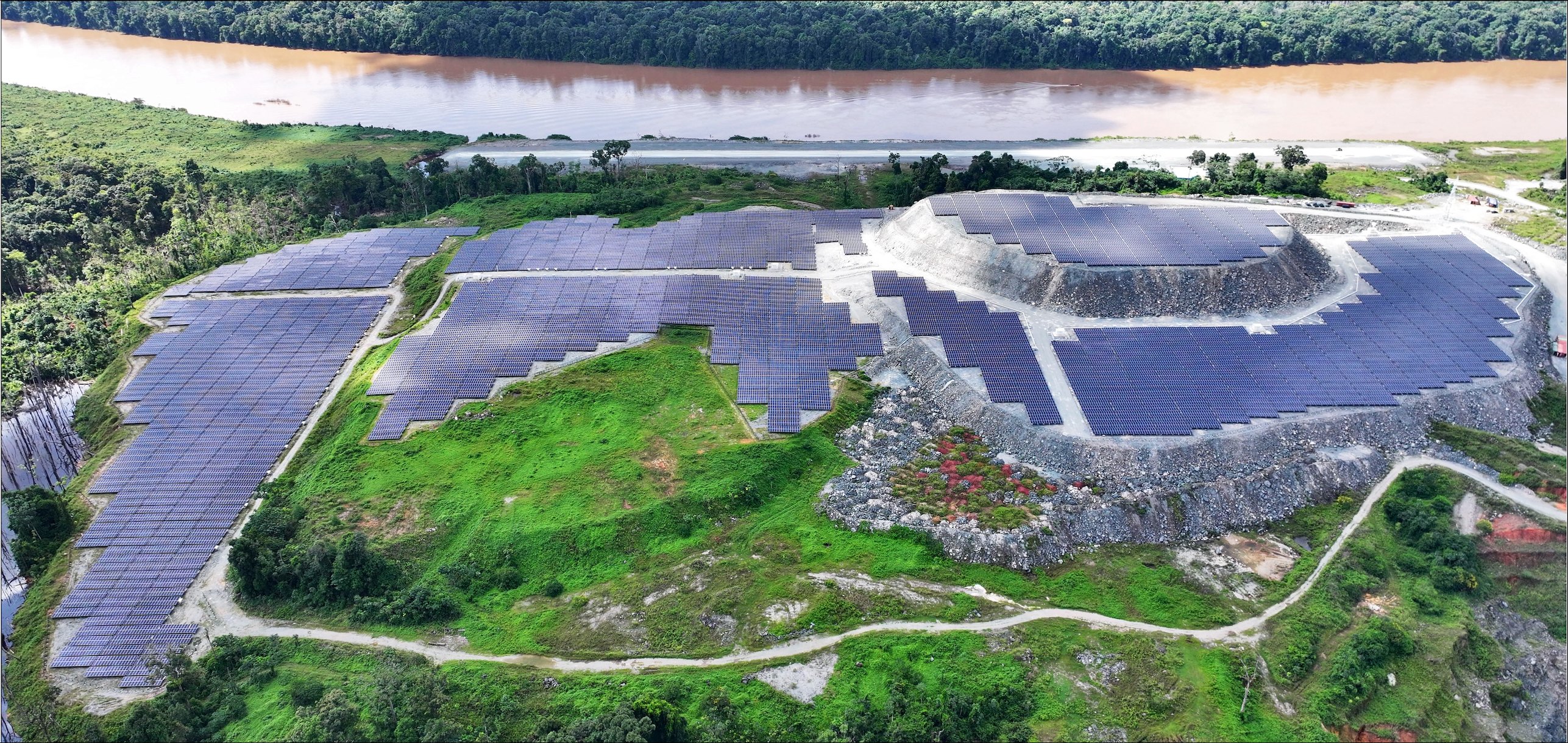
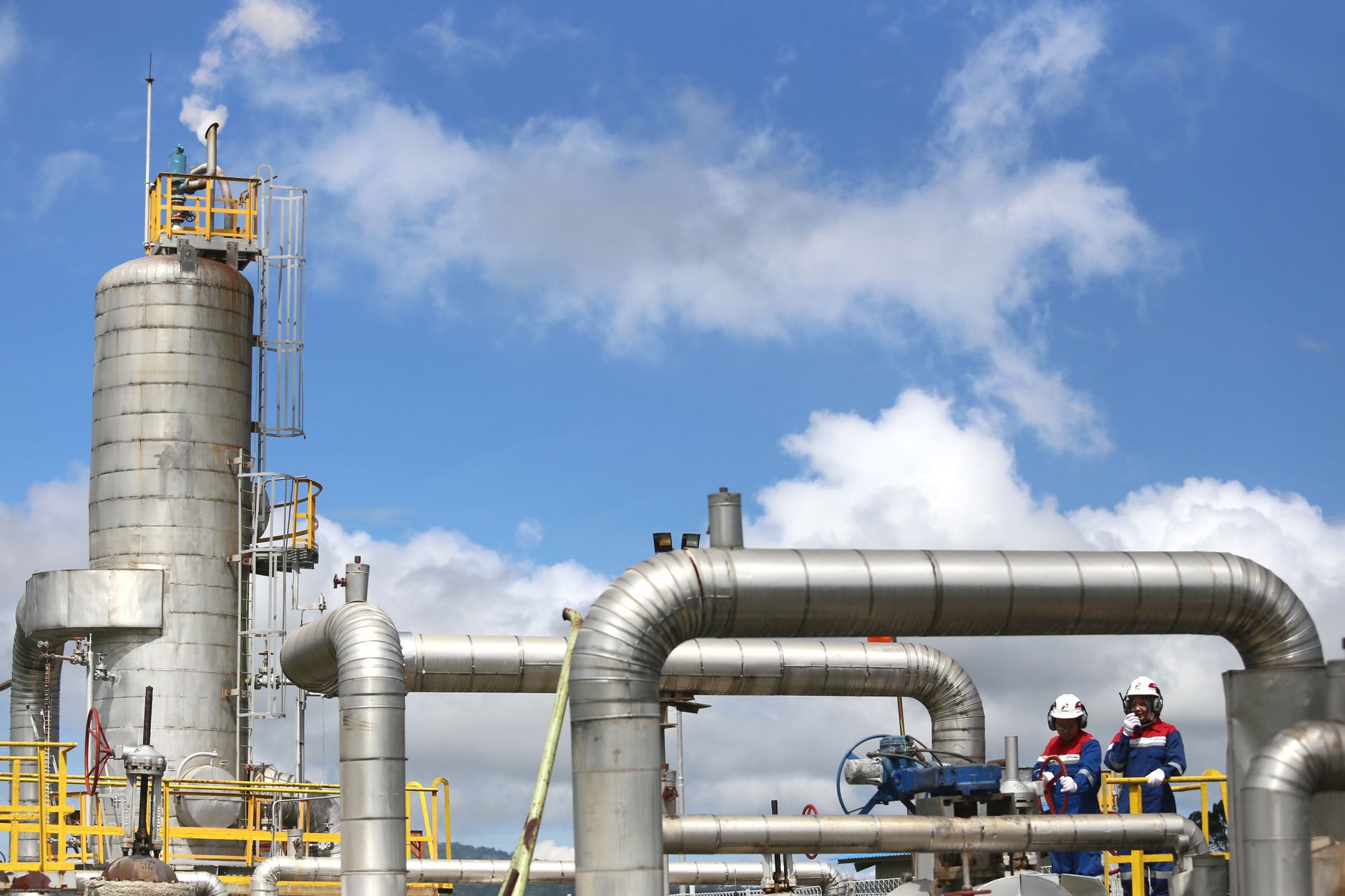
PARIS, April 5, 2026 — TotalEnergies and the Abu Dhabi National Oil Company’s renewable energy subsidiary Masdar have established a 2.2 billion dollar joint venture dedicated to accelerating renewable energy deployment across critical Asian markets including India, Vietnam, and Indonesia. The partnership represents a significant strategic reorientation for TotalEnergies, which has historically derived the vast majority of corporate revenue from fossil fuel extraction and refining operations, toward renewable energy development and the broader energy transition.
The joint venture will initially concentrate on solar and wind energy project development across Asia’s most dynamic electricity markets, where demand growth driven by rising incomes, expanding electrification, and energy-intensive manufacturing creates substantial opportunities for renewable capacity deployment. India’s electricity sector, expanding at approximately 4 percent annually, provides perhaps the most attractive opportunity for renewable energy developers given the nation’s ambitious renewable energy targets and relatively favorable land availability.
The International Renewable Energy Agency has documented that renewable energy deployment achieved near 700 gigawatts of capacity expansion globally during 2025, representing a compelling demonstration of renewable energy sector resilience despite policy uncertainties and geopolitical tensions. The IRENA analysis emphasized that renewable energy deployment trajectories remain substantially insensitive to fossil fuel commodity price movements, reflecting the fundamental cost competitiveness that renewable technologies have achieved.
Geopolitical developments in the Middle East have potentially accelerated the renewable energy transition by creating uncertainty regarding the reliability and sustainability of conventional crude oil and natural gas supply chains. The Iran conflict, while not directly disrupting oil exports, has nevertheless created market psychology favoring diversification away from Middle Eastern hydrocarbons and toward renewable technologies generating electricity domestically.
Dr. Michael Chen, Senior Fellow at the Center for Strategic and International Studies, emphasized the strategic dimensions of the TotalEnergies-Masdar partnership. Major energy companies are rationally responding to structural changes in energy economics and geopolitical risk by deploying capital into renewable energy sectors where technologies have achieved cost competitiveness while simultaneously reducing dependencies on supply sources vulnerable to geopolitical disruption, Chen observed.
The United States Energy Information Administration has documented that solar, wind, and battery storage technologies combined added 55 gigawatts of capacity during 2025, compared to less than one gigawatt of conventional fossil fuel and nuclear generation capacity additions. This dramatic disparity between renewable and conventional generation deployment suggests that renewable technologies have become the default choice for new electricity generation capacity across most geographic markets.
The TotalEnergies-Masdar partnership reflects broader strategic repositioning by major energy corporations recognizing that the energy transition represents a permanent structural shift in global energy systems rather than a temporary policy-driven deviation. Multinational oil and gas companies face declining long-term demand prospects as transportation electrification, building heating transitions, and industrial process innovations progressively reduce hydrocarbon consumption.
The joint venture structure enables both TotalEnergies and Masdar to leverage complementary capabilities: TotalEnergies brings project development expertise and international operational experience while Masdar contributes sovereign wealth and regional relationships that facilitate regulatory approvals and land acquisition. The partnership indicates that renewable energy deployment will increasingly involve collaborative relationships among multinational corporations, sovereign wealth funds, and development finance institutions.

Written by
TPC Editorial Desk
The Platinum Capital editorial desk
Articles on The Platinum Capital are produced by the TPC editorial desk with the assistance of AI tools, and edited before publication. TPC Awards profiles are based on information provided in nominations and checked against public sources. Reach out at info@theplatinumcapital.com.