UAE and Egypt Real Estate 2025: Diverging Markets, Shared Momentum
The real estate markets in both the Dubai/Sharjah region of the United Arab Emirates (UAE) and Cairo/north-coast Egypt are experiencing pronounced activity — yet each with its own underlying drivers, risks and strategic implications. UAE: Market Transformation Underway In the UAE…
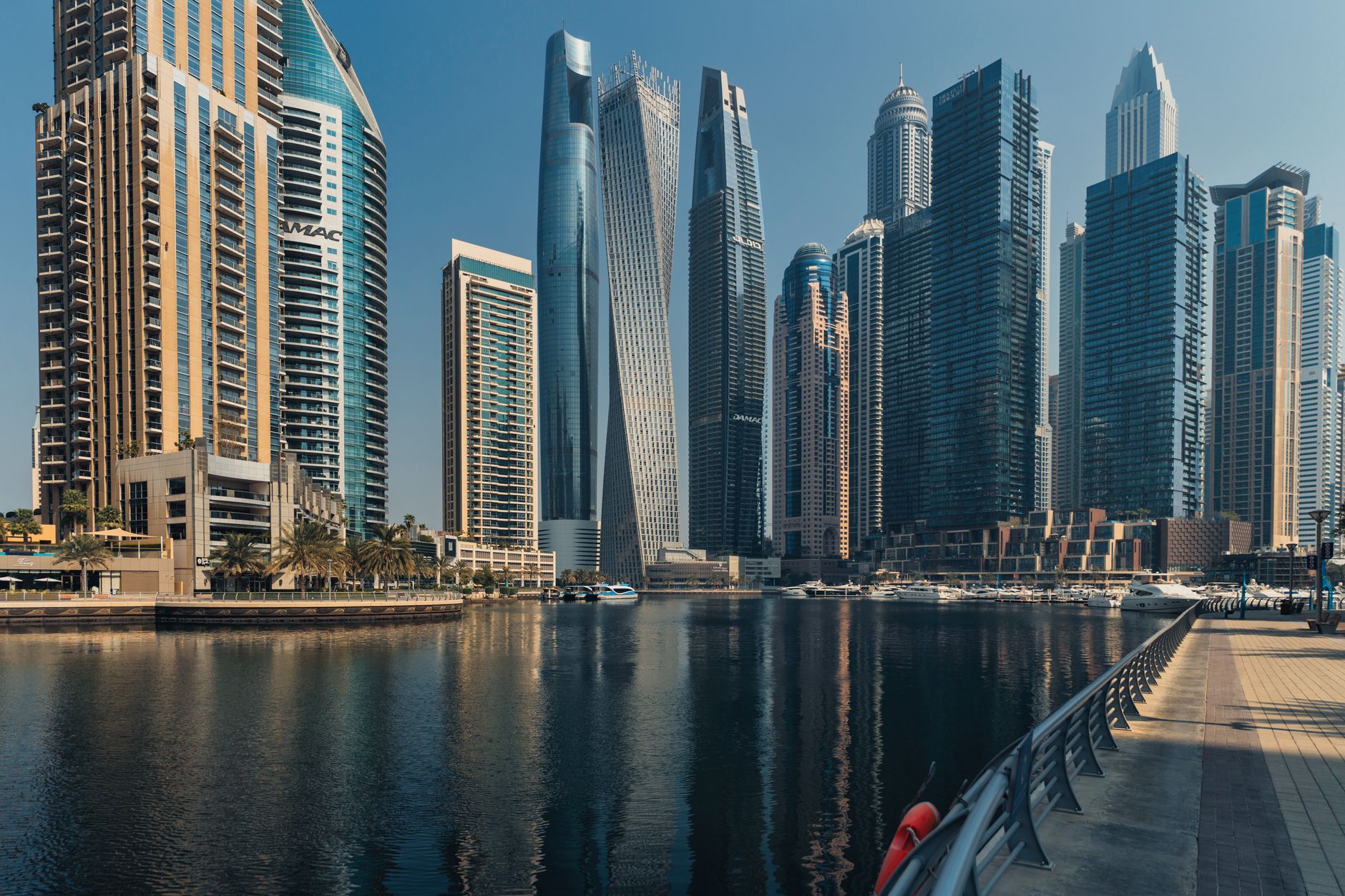
The real estate markets in both the Dubai/Sharjah region of the United Arab Emirates (UAE) and Cairo/north-coast Egypt are experiencing pronounced activity — yet each with its own underlying drivers, risks and strategic implications.
UAE: Market Transformation Underway
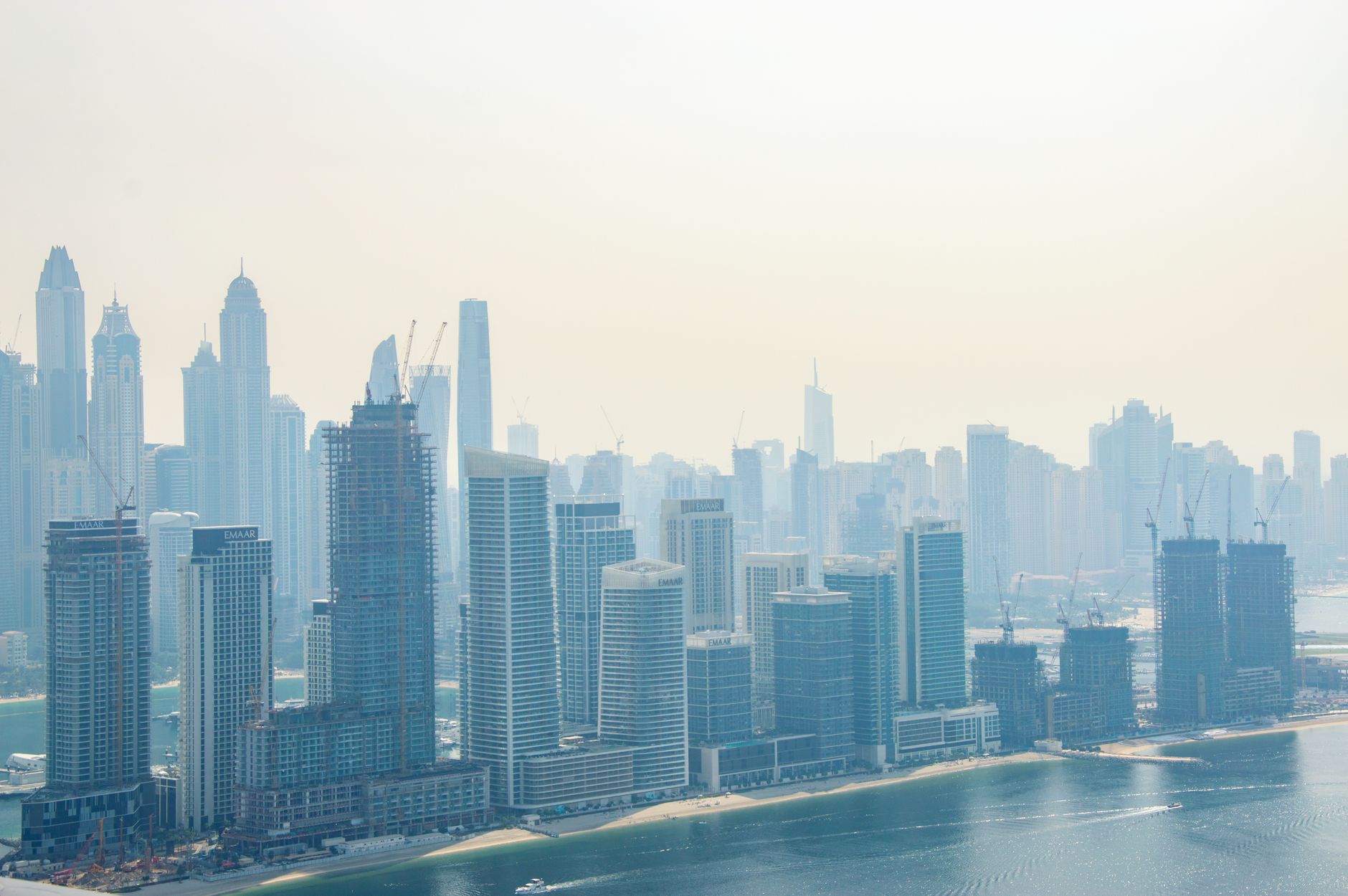
In the UAE, data from H1 2025 indicate that the real estate market is not simply rebounding, but entering a new phase of transformation. The Dubai real-estate market alone recorded over 125,000 transactions worth approximately AED 431 billion — up 25 % year-on-year. LinkedIn+3Wamda+3Khaleej Times+3
Across the Emirates, one of the standout stories is the surge in the northern emirate of Sharjah: it logged AED 44.3 billion (US $12.1 billion) in residential transactions in the first nine months of 2025, a 58 % increase compared with the previous year. TradingView+1
A key structural shift is the growing dominance of off-plan properties (in Dubai the off-plan segment accounted for 64.5 % of transaction value on 3 Nov 2025). The Real Estate Report
Buyers are responding to flexible payment plans, new master-planned communities and high resale potential. The broader narrative highlights increasing investor confidence, technological innovation (AI in real-estate valuation, workflow automation) and strategic urban development. Wamda+1
Egypt: Growth Despite Macro Challenges
Shifting focus to Egypt, the real estate market is also showing strong signs of growth opportunities, albeit in a more complex macroeconomic context. According to Global Property Guide, residential prices in Cairo’s upscale districts grew strongly in 2024–25: for example in New Cairo average apartment prices rose by 19.4 % y-o-y in June 2025 to EGP 24,900 per sqm, while villa prices in some compounds rose by 11.2 %. Global Property Guide+1
On the commercial side, the market is projected to grow from USD 11.28 billion in 2024 to USD 32.57 billion by 2033 (CAGR ≈ 7.7 %). IMARC Group
Investors — particularly from Gulf states — are showing interest: for example, a major development deal announced by Qatari Diar to invest US $29.7 billion in a luxury resort/residential zone on Egypt’s Mediterranean coast. Reuters
Outlook
In the UAE, the real-estate market looks set for continued growth in 2025 and possibly beyond — but the nature of growth is shifting: from mere volume to quality, from speculation to structure, from local buyers to global investors. Digital transformation and flexible ownership/payment models are becoming central. In Egypt, while macro risks remain, the long-term growth story is intact: housing demand is real, luxury/coastal/resort properties are attracting Gulf capital, and the structural reforms support the sector.
Overall, while the regions differ in maturity, risk and scale, the real-estate story across the Gulf-North-Africa corridor is no longer one of “if growth returns” — it is “how to participate in it.” The winners will be those who align product, pricing, location and technological-service offerings with evolving investor and occupant expectations.

Written by
TPC Editorial Desk
The Platinum Capital editorial desk
Articles on The Platinum Capital are produced by the TPC editorial desk with the assistance of AI tools, and edited before publication. TPC Awards profiles are based on information provided in nominations and checked against public sources. Reach out at info@theplatinumcapital.com.