UAE Set to Anchor GCC IPO Comeback in 2026 as Saudi, Egypt Rebuild Equity Pipelines
After a bruising year for Gulf equity issuance, the UAE is emerging as the focal point of a long‑awaited IPO rebound in 2026 , with bankers betting that a rebuilt pipeline of large, diversified deals can restore depth to regional capital markets and narrow the gap with global pee…
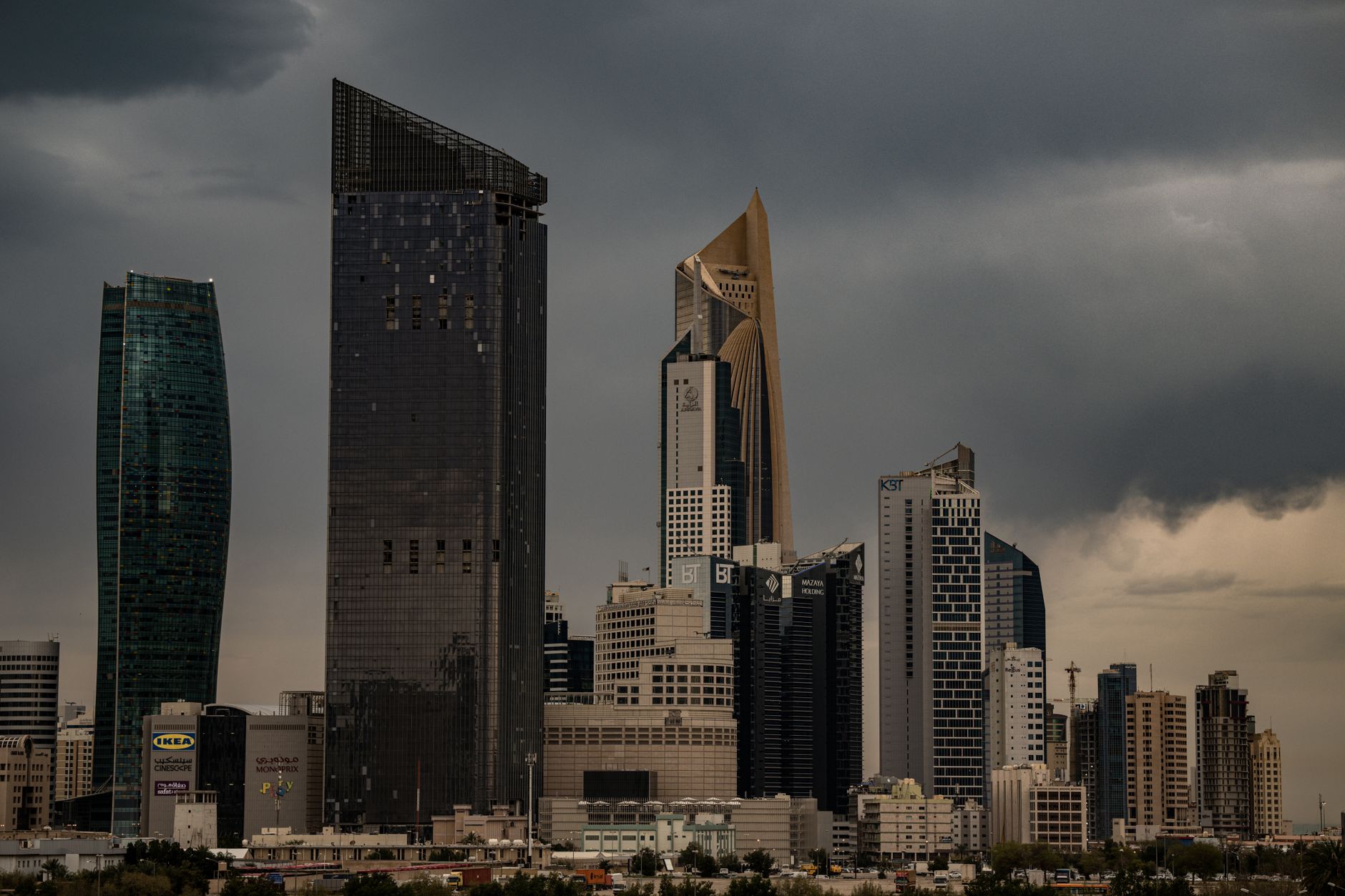
After a bruising year for Gulf equity issuance, the UAE is emerging as the focal point of a long‑awaited IPO rebound in 2026, with bankers betting that a rebuilt pipeline of large, diversified deals can restore depth to regional capital markets and narrow the gap with global peers. A new report from Kamco Invest and commentary from regional exchanges suggest as many as 73 listings are in the GCC pipeline, including companies that shelved flotations in 2025 amid volatile markets and weaker oil prices.
GCC IPO proceeds dropped to around $5.8 billion in 2025, a five‑year low and nearly 55 percent below 2024, as issuers retreated in the face of geopolitical risk, rate uncertainty and a 12.8 percent slide in Saudi Arabia’s Tadawul All Share Index. Saudi Arabia still accounted for 37 of 42 GCC IPOs last year, but most were mid‑sized domestic listings, while big‑ticket Dubai and Abu Dhabi candidates stayed on the sidelines. Globally, conditions were more benign: IPO proceeds rose to $146.1 billion in 2025, the highest in three years, led by blockbuster US and China offerings that underscored how far the Gulf had fallen out of sync with wider markets.
That divergence is expected to narrow this year. Kamco Invest and other advisers highlight a multi‑billion‑dollar UAE pipeline that includes possible floats of Binghatti Holding, Dubai Investments Park Development, Arabian Construction and Majid Al Futtaim Holding, alongside Abu Dhabi‑linked infrastructure, logistics and energy transition assets. Bankers say the UAE could see up to 12 IPOs in the first half of 2026, raising “several billions of dollars” if valuations and global risk appetite hold.
Saudi authorities, meanwhile, are consulting on lifting the 49 percent cap on foreign ownership for certain listings, a move that State Street and other institutional investors see as another step in the kingdom’s effort to deepen liquidity and attract longer‑term global capital. While Tadawul is likely to remain the region’s workhorse in terms of deal count, the UAE is viewed as essential to restoring scale and international participation, given its larger candidate pool in retail, real estate, infrastructure and consumer sectors.
Egypt is cautiously returning to the radar as well. Cairo’s equity market was largely sidelined during 2023–2025 by currency pressures and IMF negotiations, but authorities used that period to prepare a renewed privatisation push and minority stakes in state‑owned companies. Successful bond placements by Egypt and Saudi Arabia in early 2026—Saudi raised $11.5 billion in its first sovereign deal of the year, drawing orders above $29 billion—signal that global investors remain willing to fund reform‑oriented stories at the right price.
For portfolio managers in Asia and Europe, Gulf IPOs now sit within a broader “energy transition plus demographics” allocation that spans Saudi Arabia, the UAE, Egypt and key ASEAN markets such as Indonesia and Vietnam. Global demand for infrastructure, renewables and digital assets aligns neatly with the UAE’s 2026 slate of utility, data‑center and logistics listings, while Saudi’s deepening Tadawul pipeline provides exposure to financials, industrials and consumer names linked to Vision 2030.
Analysts caution that competition from mega‑IPOs in the US and China could again divert capital, and that successful 2026 issuance will depend heavily on sensible pricing and post‑listing performance. But with oil stabilising, inflation easing and rate cuts on the horizon, regional bankers argue that the GCC has a narrow window this year to prove it can function as a regular, scalable listing venue rather than a periodic, oil‑cycle dependent outlier.
If the UAE and Saudi Arabia can deliver on their 2026 IPO calendars, while Egypt and Qatar restart stalled programmes, Gulf exchanges are likely to see their weight in emerging‑market indices rise further, pulling in more passive and quant capital. That, in turn, would reinforce a feedback loop of better liquidity, closer pricing to global peers, and more sophisticated corporate governance as issuers adjust to a more demanding investor base.

Written by
TPC Editorial Desk
The Platinum Capital editorial desk
Articles on The Platinum Capital are produced by the TPC editorial desk with the assistance of AI tools, and edited before publication. TPC Awards profiles are based on information provided in nominations and checked against public sources. Reach out at info@theplatinumcapital.com.