UAE’s Masdar ties up with RAKEZ & Emerge to advance clean-energy in Ras Al Khaimah
The UAE-based renewable-energy player Masdar (Abu Dhabi Future Energy Company) has announced a new partnership with the Ras Al Khaimah Economic Zone (RAKEZ) and Emerge (a clean-energy solutions firm) to develop advanced clean-energy solutions in the emirate of Ras Al Khaimah. The…
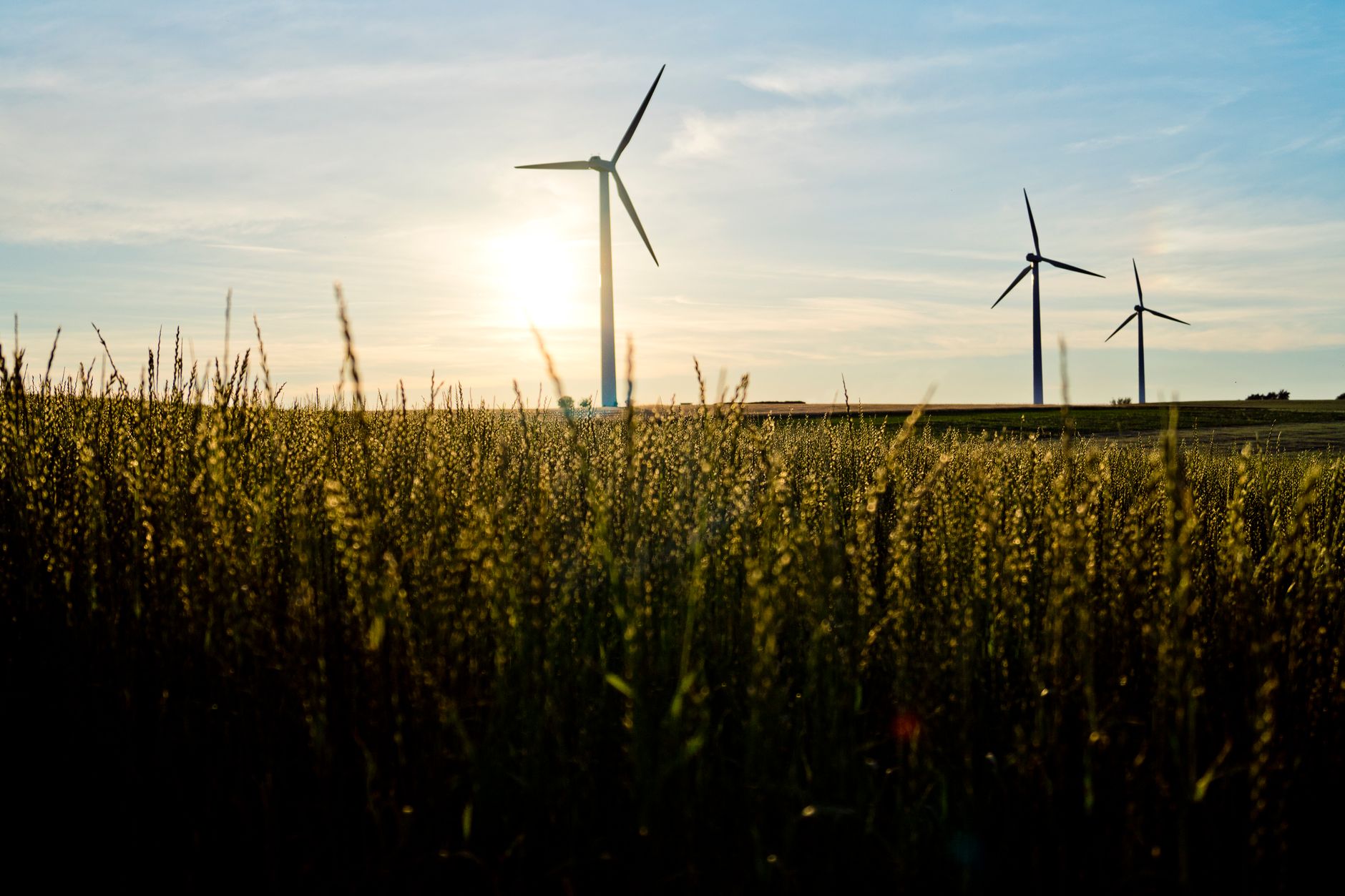
The UAE-based renewable-energy player Masdar (Abu Dhabi Future Energy Company) has announced a new partnership with the Ras Al Khaimah Economic Zone (RAKEZ) and Emerge (a clean-energy solutions firm) to develop advanced clean-energy solutions in the emirate of Ras Al Khaimah. The announcement, reported by Reuters, highlights the fast-moving transition in the Gulf energy sector beyond oil and gas. MarketScreener
Strategic context
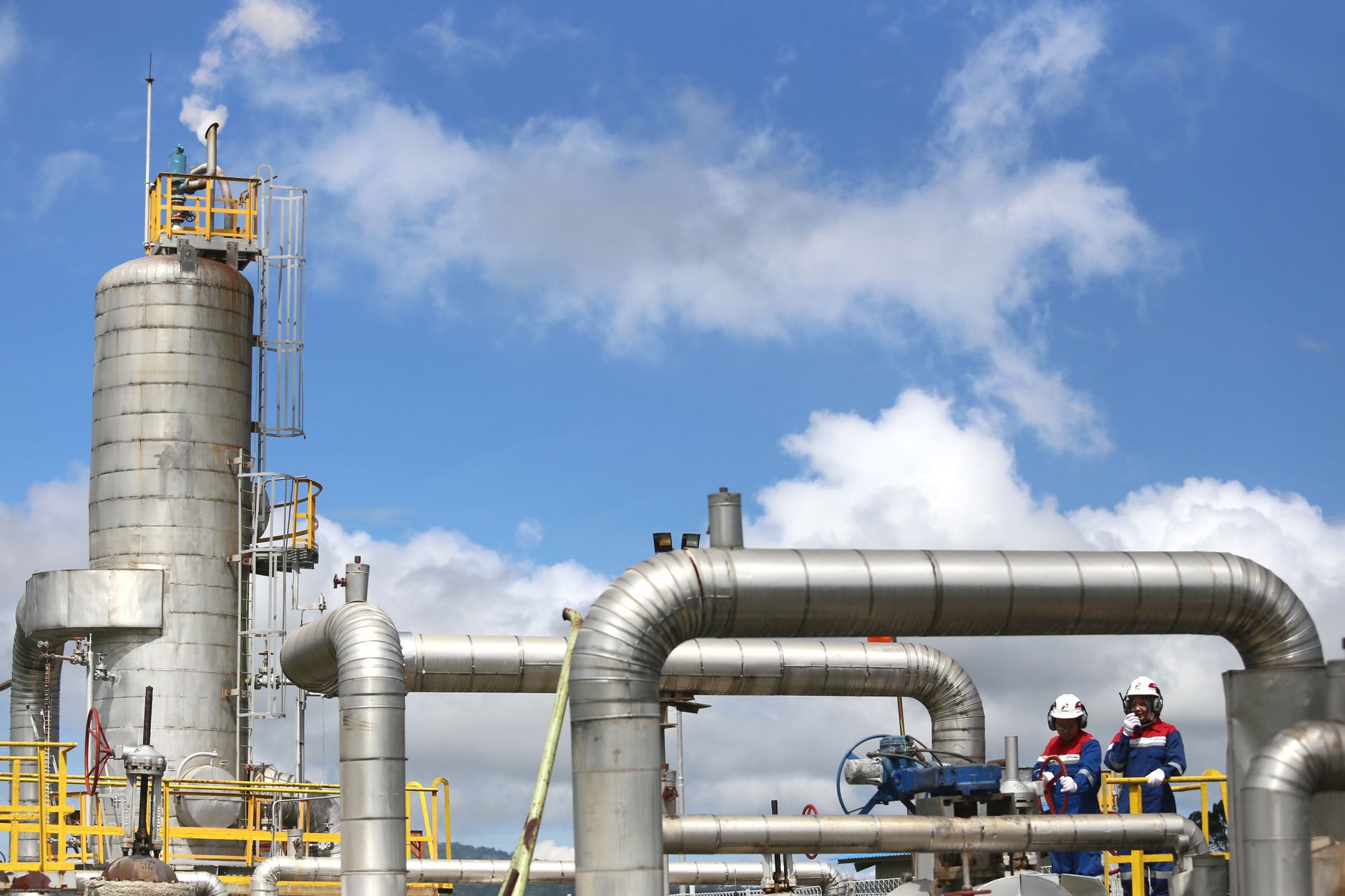
Traditionally, the Gulf’s economy has been dominated by hydrocarbon exports, large-scale oil & gas infrastructure and associated services. But over the past several years, GCC states have adopted dual strategies: they continue to produce and export hydrocarbons, while also aggressively developing renewables, storage, hydrogen and associated clean-tech ecosystems. For example, utilities-scale battery storage in the GCC is already evolving into a major sub-sector. S&P Global+1
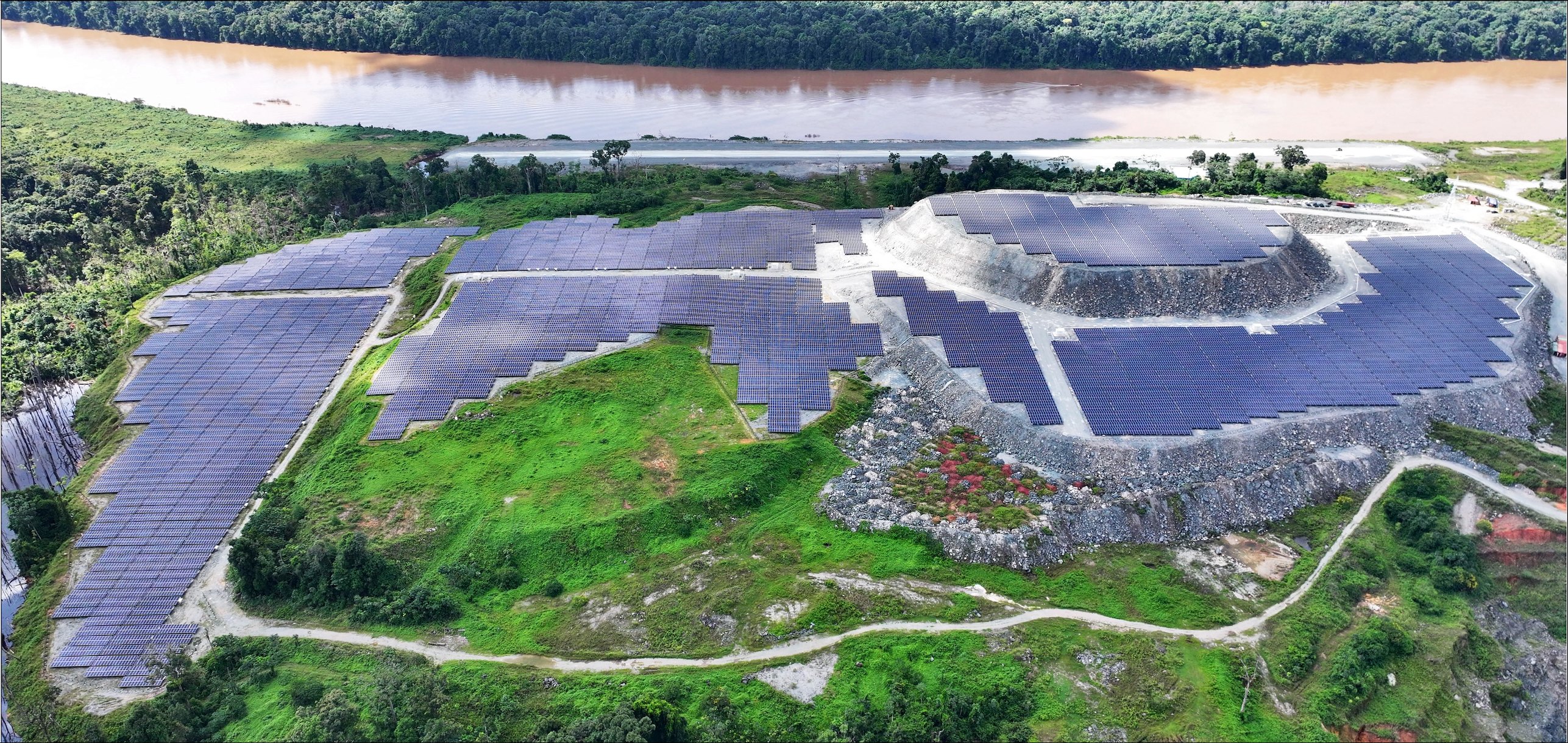
Masdar’s recent deal adds to this momentum. By teaming up with RAKEZ (which hosts industrial & logistics zones) and Emerge, the aim is to bring clean-energy generation, storage, possibly green hydrogen or power-to-x applications to Ras Al Khaimah, leveraging its geographical/industrial advantages and the UAE’s strategic push for net-zero goals.
Implications for the region and market
– Acceleration of renewable deployment: Large-scale deals like this suggest the GCC is moving from demonstration projects into full deployment of renewables, storage, hydrogen, and industrial applications.
– Industrial attraction: Clean-energy zones tied to industrial parks (such as RAKEZ) create a model where manufacturing, logistics, data centres, hydrogen or e-fuel production can be powered by renewables — supporting the “energy transition ecosystem”.
– Investment signals: For global capital, partnerships like these send a strong signal that the Gulf is open for scale-clean energy, not just oil. That means more opportunities in project finance, storage, hydrogen, green bonds.
– Risk-reward note: While the transition is promising, challenges remain, such as ensuring grid/infrastructure readiness, managing intermittency/storage, workforce skills, and aligning regulatory frameworks to new technologies (hydrogen, CCUS etc.).
Outlook
Given Masdar’s track record and the UAE’s supportive policy environment, this partnership is likely to yield a visible clean-energy asset or cluster in Ras Al Khaimah within the next few years. The broader trend is that the GCC’s energy portfolio is increasingly hybrid: oil & gas + renewables + storage + new fuels. The winners are likely to be those entities that integrate across value-chains, not just build single projects.
Why it matters
For stakeholders in infrastructure, energy finance and sustainability sectors, the Gulf is morphing from “hydrocarbons only” into a diversified energy-tech hub. This creates new markets for clean-tech providers, developers, and investment funds. For policy-makers, such deals help advance national targets (e.g., net-zero, economic diversification) while leveraging existing competitive advantages (sunshine, low-cost land, logistics).

Written by
TPC Editorial Desk
The Platinum Capital editorial desk
Articles on The Platinum Capital are produced by the TPC editorial desk with the assistance of AI tools, and edited before publication. TPC Awards profiles are based on information provided in nominations and checked against public sources. Reach out at info@theplatinumcapital.com.