
Vietnam, Philippines, Indonesia Target Renewable Energy Dominance in ASEAN's Clean Power Race
HANOI/MANILA/JAKARTA - Three of Southeast Asia's largest economies are positioning themselves as the region's clean energy leaders, with Vietnam, the Philippines, and Indonesia each targeting renewable energy to comprise over half of installed power capacity by 2030, according to…
HANOI/MANILA/JAKARTA - Three of Southeast Asia's largest economies are positioning themselves as the region's clean energy leaders, with Vietnam, the Philippines, and Indonesia each targeting renewable energy to comprise over half of installed power capacity by 2030, according to analysis from energy think tank EMBER.
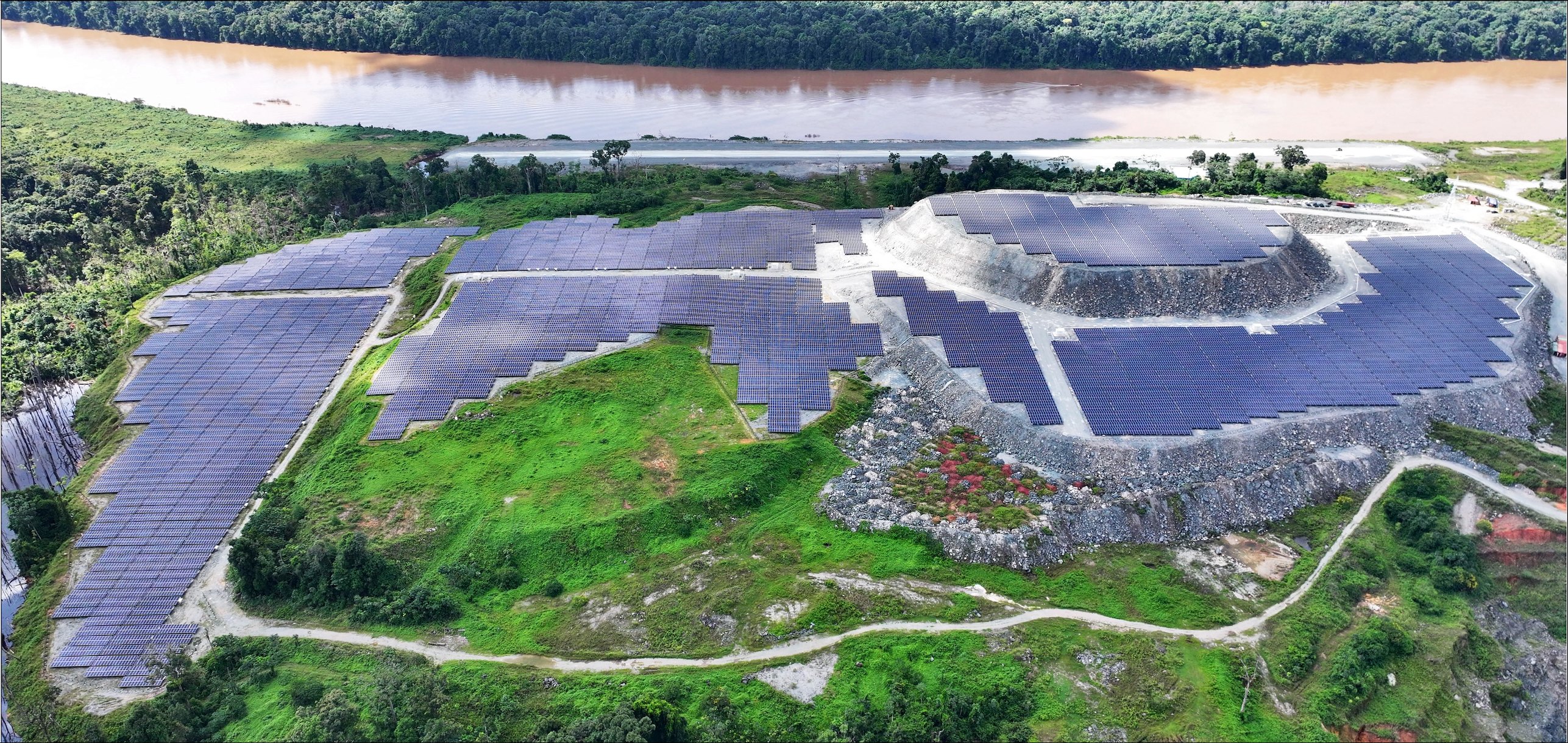
The ambitious targets reflect fundamental shifts in energy policy across nations that collectively account for nearly 60 percent of ASEAN's energy demand and emissions. Vietnam plans to install 73 gigawatts of solar capacity by decade's end, while the Philippines targets 14 gigawatts and Indonesia 13 gigawatts, representing investment opportunities exceeding $180 billion.
Vietnam is advancing market liberalization through direct power purchase agreements that EMBER analysis suggests could double the renewable electricity share while creating new revenue streams for private investors. The mechanism allows corporations to contract directly with renewable energy generators, bypassing traditional utility intermediaries and providing developers with long-term revenue certainty.
"Vietnam has a significant opportunity to lead the region's clean energy transformation," noted energy analysts tracking Southeast Asian power markets. The country's reforms are welcoming greater private and foreign participation in electricity generation, breaking the state-owned utility's historical monopoly over power sector development.
The Philippines has removed foreign ownership restrictions in the renewable energy sector, implementing competitive procurement mechanisms including the Green Energy Auction program. These reforms are paired with integrated battery storage solutions and streamlined digital permitting processes designed to accelerate project development timelines from initial application to commercial operation.
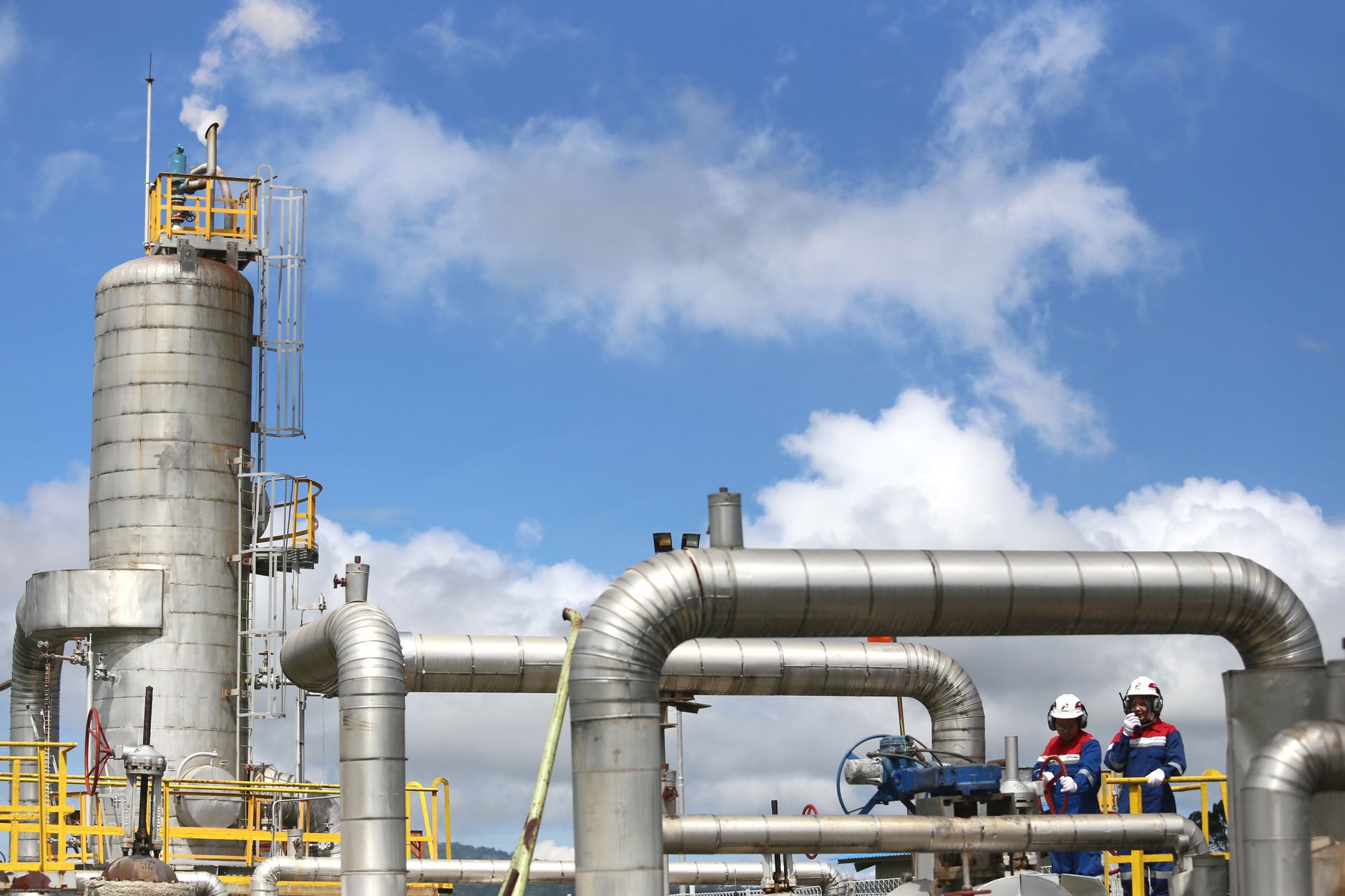
Philippine energy officials highlighted that battery storage integration is critical for managing the intermittency of solar and wind generation. Several recent solar projects have incorporated four to six hours of battery storage capacity, enabling electricity dispatch during evening peak demand periods when solar generation is unavailable.
Indonesia is adjusting regulatory frameworks with risk-sharing clauses in power purchase agreements, new ownership structures enabling greater private sector participation, and policies recognizing carbon credits and environmental attributes. These reforms aim to unlock renewable energy development while managing the financial risks that have historically constrained private investment.
"Battery storage projects in Indonesia have pushed solar project internal rates of return from 14 percent to 23 percent," according to industry analysis, citing improvements in financing costs, equipment prices, and operational efficiency. Similar profitability enhancements are being observed across regional renewable energy projects as technology costs decline and carbon pricing mechanisms provide additional revenue streams.
Indonesia's Ministry of Energy and Mineral Resources emphasized the economic value of clean energy development, noting job creation across energy storage, biofuels, efficiency measures, and off-grid investments. Secretary General Dadan Kusdiana highlighted that renewable energy expansion supports industrial development objectives while addressing climate commitments.
However, private sector representatives caution that regulatory and infrastructure barriers continue constraining Southeast Asia's renewable energy potential. Atem Ramsundersingh, CEO of WEnergy Global, identified circular bureaucracy, outdated permitting systems, and neglected grid infrastructure as persistent obstacles requiring decisive governance reforms.
Grid modernization represents a critical challenge across all three countries. Existing transmission and distribution networks were designed for centralized fossil fuel generation rather than distributed renewable energy sources. Upgrading grid infrastructure to accommodate variable renewable generation requires substantial investment and technical expertise.
The three countries are exploring regional power interconnection projects that could enable electricity trading across borders, improving system flexibility and resource optimization. The ASEAN Power Grid initiative, though progressing slowly, envisions integrated electricity markets that would allow surplus renewable generation in one country to supply demand in neighboring markets.
Financial analysts project that achieving the 2030 renewable energy targets will require average annual investment exceeding $36 billion across the three countries. While international development finance institutions including the Asian Development Bank and World Bank have committed support, private capital mobilization remains essential for meeting investment requirements.
Climate finance mechanisms including green bonds, sustainability-linked loans, and carbon credit markets are increasingly being utilized to fund renewable energy projects. Indonesia, for example, recorded significant growth in green bond issuance during 2025, attracting international institutional investors seeking exposure to emerging market climate opportunities.
The renewable energy expansion is also driving technology transfer and industrial development, with several countries establishing local manufacturing capacity for solar panels, wind turbine components, and battery systems. These industrial policies aim to capture value-added manufacturing jobs while reducing dependence on imported equipment.
Success in achieving the 2030 targets will position Vietnam, the Philippines, and Indonesia as regional clean energy leaders while contributing significantly to global decarbonization objectives. The three countries combined represent over 400 million people whose electricity consumption is expected to grow substantially as incomes rise and electrification expands.

Written by
TPC Editorial Desk
The Platinum Capital editorial desk
Articles on The Platinum Capital are produced by the TPC editorial desk with the assistance of AI tools, and edited before publication. TPC Awards profiles are based on information provided in nominations and checked against public sources. Reach out at info@theplatinumcapital.com.