Vietnam’s Coffee Windfall Meets Input-Cost Reality as Thailand’s Rice Exporters Brace for Currency Pressure
HANOI/BANGKOK — Vietnam’s coffee sector is closing 2025 with record export earnings, giving farmers and exporters rare pricing power after years of volatility. But the windfall is also reshaping behavior across the supply chain—from fertilizer and irrigation spending to processin…
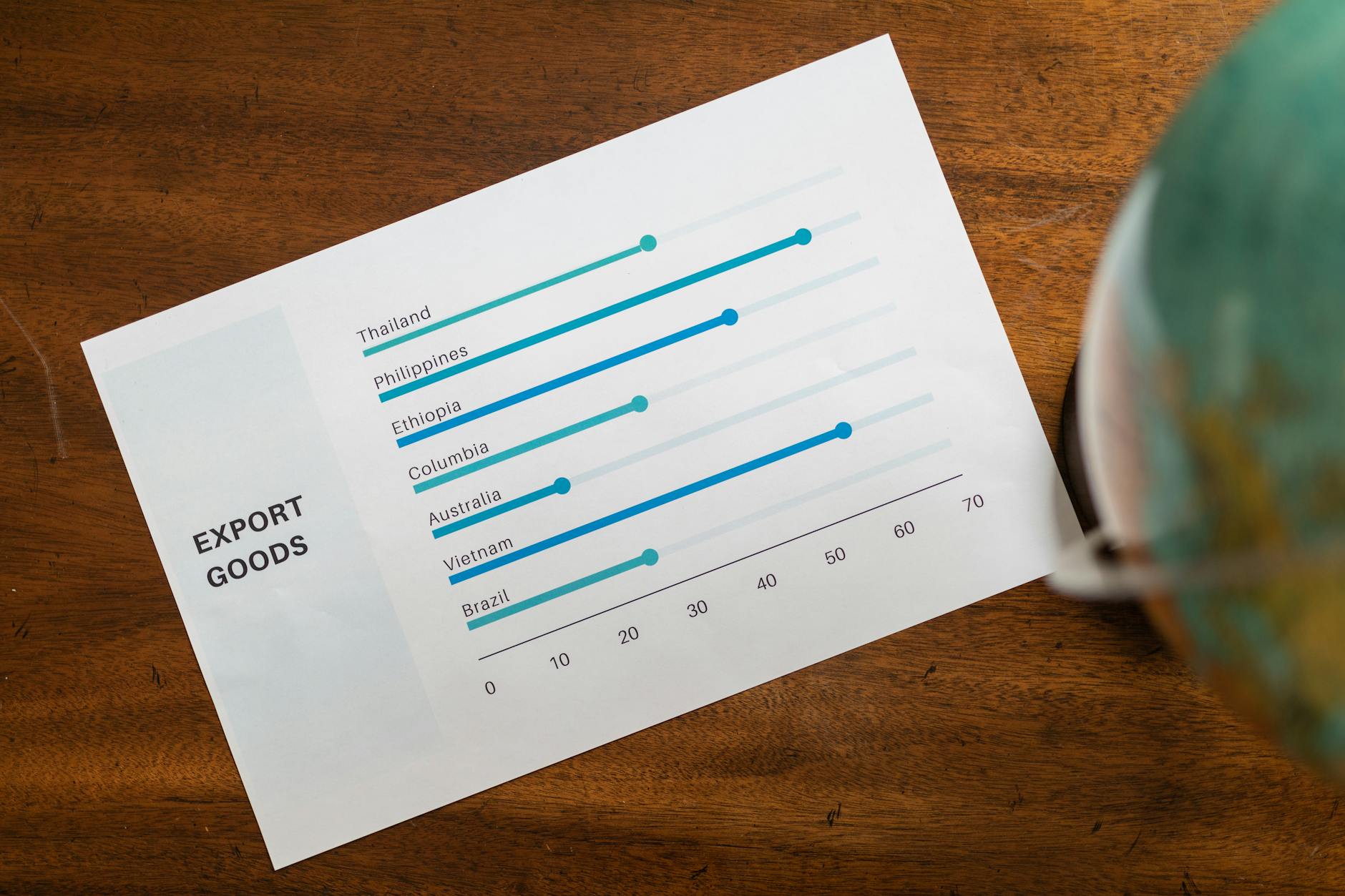
HANOI/BANGKOK — Vietnam’s coffee sector is closing 2025 with record export earnings, giving farmers and exporters rare pricing power after years of volatility. But the windfall is also reshaping behavior across the supply chain—from fertilizer and irrigation spending to processing investment—at a time when other regional staples, such as Thai rice, are facing competitiveness headwinds.
Vietnam’s coffee export turnover reached a record high of about $7.94 billion in the first 11 months of 2025, according to reporting by Vietnam Investment Review, far above the previous peak recorded in 2024. Vietnam Investment Review - VIR The headline figure reflects strong global demand and a price environment that has encouraged producers to invest more heavily in yields and farm management.
A separate industry note citing USDA forecasts pointed to higher coffee prices motivating increased investment in coffee farming—particularly fertilizer use—as producers attempt to lock in productivity while margins are attractive. Comunicaffe International That shift matters because it can influence supply dynamics in the next crop cycle: more inputs can mean higher output, but it can also raise break-even costs if prices cool.
Vietnam’s dominance in robusta coffee makes it a key swing supplier for the global market, especially as instant coffee and blended products remain popular. Some market watchers expect Vietnam to keep pushing into value-added processing—soluble coffee, roasted products, and branded exports—to reduce reliance on raw bean shipments. The logic is not just margin; it’s resilience. When prices fall, processors with downstream capacity can cushion revenue even as farmgate prices soften.
In neighboring Thailand, the mood is different—less about windfalls and more about defending market share. A May 2025 interview with Thailand’s Rice Exporters Association cited an annual export target of around 7.5 million metric tons for 2025, supported by early-year momentum and buyer trust, even as global competition intensified. S&P Global The association’s comments foreshadowed a challenge that has only grown louder into year-end: Thailand’s exporters are increasingly squeezed by competitors and by currency dynamics that can erase price advantages overnight.
Public discussion in Thai industry circles has highlighted the sensitivity of rice exports to exchange rates, particularly when regional competitors are pricing aggressively. While precise 2026 outcomes remain uncertain, the broader point is already shaping behavior: exporters are focusing on reliability, quality differentiation, and contract discipline to retain buyers even when pricing is tight.
The comparison with Vietnam’s coffee boom is instructive. Coffee’s rally offers reinvestment capacity, encouraging agronomic upgrades. Rice, by contrast, is often trapped in thinner margins and heavy competition, meaning efficiency gains are harder to finance at the farm level without policy support or stronger commercial models.
For Vietnam, the key risk is that record revenue can sow the seeds of oversupply if investment surges too quickly. Higher fertilizer use and intensified cultivation can raise output, but it can also deepen environmental and sustainability pressures—water usage, soil health, and deforestation-linked scrutiny in supply chains. As European and multinational buyers tighten traceability and sustainability requirements, Vietnam’s exporters may have to prove not only quantity, but compliance.
For Thailand, the central risk is substitution. Large importers can pivot between origins—Thailand, Vietnam, India, Pakistan—based on price, availability, and shipping terms. When competitiveness slips, the battle becomes about trust and consistency. That is why Thai exporters have repeatedly emphasized buyer confidence and quality as strategic assets. S&P Global
The policy backdrop also differs. Vietnam has been restructuring parts of its governance architecture related to agriculture and rural development, a move tracked by OECD publications during 2025. OECD Such shifts can influence how quickly programs roll out—whether for sustainability standards, farmer finance, or irrigation support. Thailand’s rice strategy, meanwhile, often pivots around export promotion, price stability mechanisms, and responses to international competition.
What ties the two stories together is a broader regional reality: agriculture is becoming more capital-intensive. Whether it’s fertilizer and farm inputs for coffee or mechanization and logistics for rice, competitiveness increasingly depends on investment. Countries and companies that can finance that investment—through banks, agrifintech platforms, or cooperative models—will be better positioned to sustain exports when commodity cycles turn.
As 2026 approaches, Vietnam’s question is how to convert a coffee revenue peak into long-term capability without triggering a supply glut. Thailand’s question is how to defend rice volumes and pricing power in an environment where currency and competition can move faster than policy. Both are, ultimately, contests over productivity—and over who can afford to pay for it. Vietnam Investment Review - VIR+2Comunicaffe International

Written by
TPC Editorial Desk
The Platinum Capital editorial desk
Articles on The Platinum Capital are produced by the TPC editorial desk with the assistance of AI tools, and edited before publication. TPC Awards profiles are based on information provided in nominations and checked against public sources. Reach out at info@theplatinumcapital.com.