ASEAN Factories Lean On Digital Twins And Micro‑Factories To Keep Output Steady
Manufacturers across Southeast Asia are turning digital‑twin and micro‑factory concepts from theory into practice in 2026, using them to maintain output and flexibility amid energy shocks, supply‑chain rerouting and shifting tariff landscapes. A LinkedIn essay on “Manufacturing i…

Manufacturers across Southeast Asia are turning digital‑twin and micro‑factory concepts from theory into practice in 2026, using them to maintain output and flexibility amid energy shocks, supply‑chain rerouting and shifting tariff landscapes.
A LinkedIn essay on “Manufacturing in ASEAN 2026” argues that the region’s industrial ecosystem is becoming “more digital, more diversified, and more resilient,” with smart manufacturing now the norm rather than the exception. Kearney and Singapore’s Economic Development Board estimate that ASEAN manufacturing value could reach 1.2 trillion dollars by 2030, growing about 6% annually, driven by digital‑twin adoption, AI‑enabled workflow optimisation and Industry 4.0 upgrades.
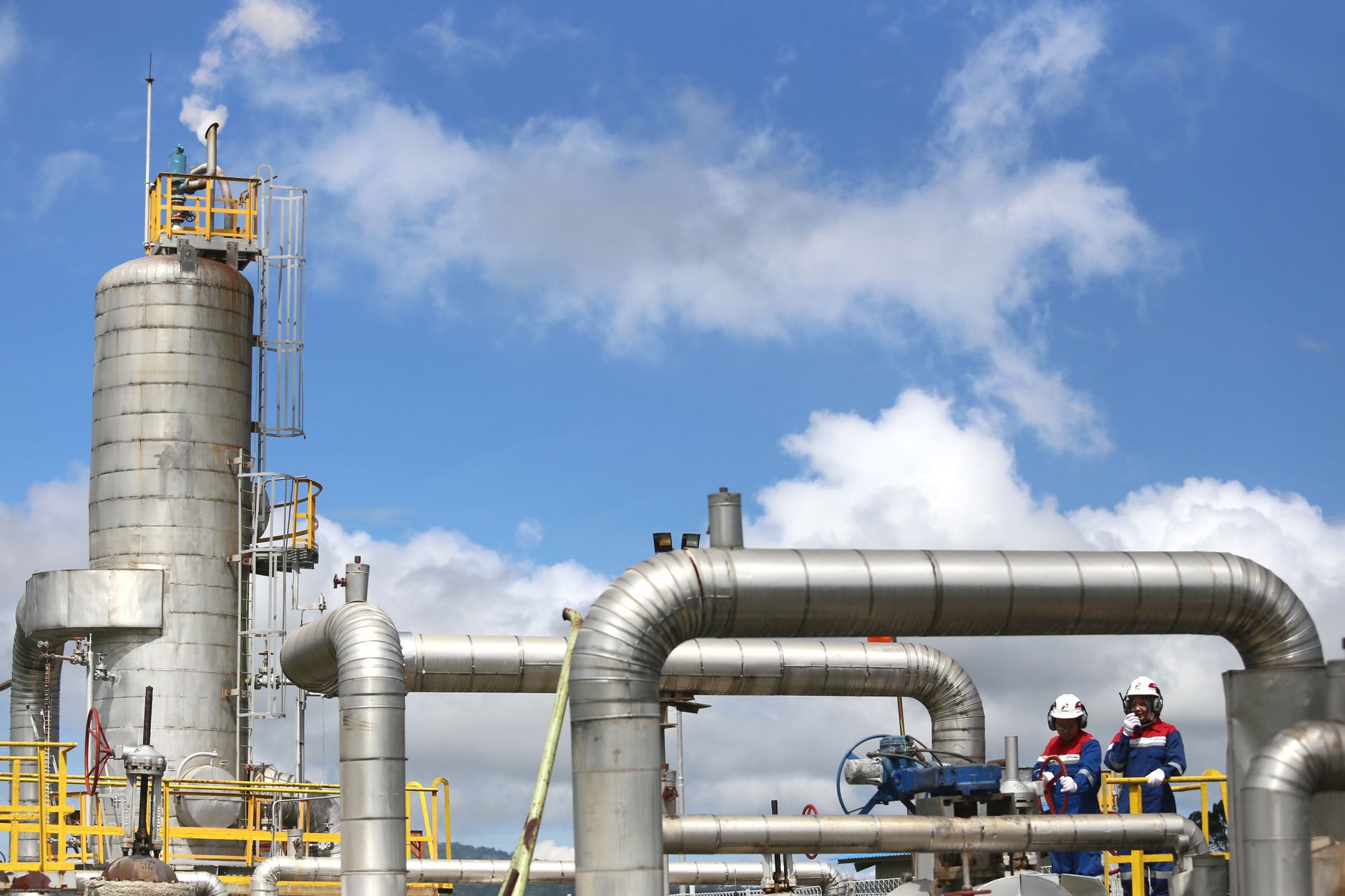
Digital twins—virtual replicas of factories and production lines—are central to this transformation. NTT DATA’s “micro‑factory” demonstrations show how IoT sensors, 3D visualisation, computer vision and AI can be combined to orchestrate modular production environments that can be reconfigured quickly for different products or shifts in demand. Predictive‑maintenance logic is baked in, with AI models helping avoid unplanned downtime that can cost up to 260,000 dollars per hour.
CIO Leadership Live’s ASEAN session on “Manufacturing Operations and Shop‑Floor Trends 2026” underscores how CIOs and COOs are working together to orchestrate automation, real‑time data and cybersecurity. Platforms coordinate autonomous mobile robots, logistics robots and human workers to improve intralogistics and production flow; linking product‑lifecycle management (PLM), procurement and supply chain with compliance and tariffs is becoming standard practice.
Industrial policy remains a powerful catalyst. ASEAN governments offer tax breaks, localisation credits and infrastructure for sectors such as electronics, EVs, semiconductors and medtech, according to supply‑chain development documents summarised by Source of Asia’s Globallians webinar. Vietnam, Thailand and Malaysia are top choices for relocated production, with Singapore and, increasingly, Indonesia functioning as higher‑value design and coordination hubs.
Sustainability adds another dimension. Research cited in the manufacturing trends piece shows that 90% of manufacturers in relevant surveys already track carbon impact and about 60% use eco‑friendly materials. Energy‑efficient upgrades and industrial solar installations are increasingly tied to economic incentives, not just compliance, further encouraging digital monitoring and optimisation.
The result is an ASEAN manufacturing base better equipped to handle shocks like the current oil spike and Middle East shipping risks. Factories can switch energy sources where possible, adjust production schedules to avoid peak‑cost periods and redesign products to fit evolving sourcing realities, all while maintaining throughput and quality.
For Gulf and Asian investors, these trends suggest that ASEAN’s role as a manufacturing and supply‑chain partner will only grow—even under sustained geopolitical and energy pressure—provided that digital‑twin and micro‑factory strategies continue to scale beyond a handful of flagship plants.

Written by
TPC Editorial Desk
The Platinum Capital editorial desk
Articles on The Platinum Capital are produced by the TPC editorial desk with the assistance of AI tools, and edited before publication. TPC Awards profiles are based on information provided in nominations and checked against public sources. Reach out at info@theplatinumcapital.com.