Asia–Middle East Corridor Seen Hitting $1.5 Trillion As Globalization “Stays Alive” In The Gulf
While protectionism and “de‑risking” dominate global trade debates, the Middle East is bucking the narrative, emerging as a rare bright spot for globalization according to a recent Bloomberg “New Economy” analysis. Standard Chartered economists cited in the piece estimate that co…
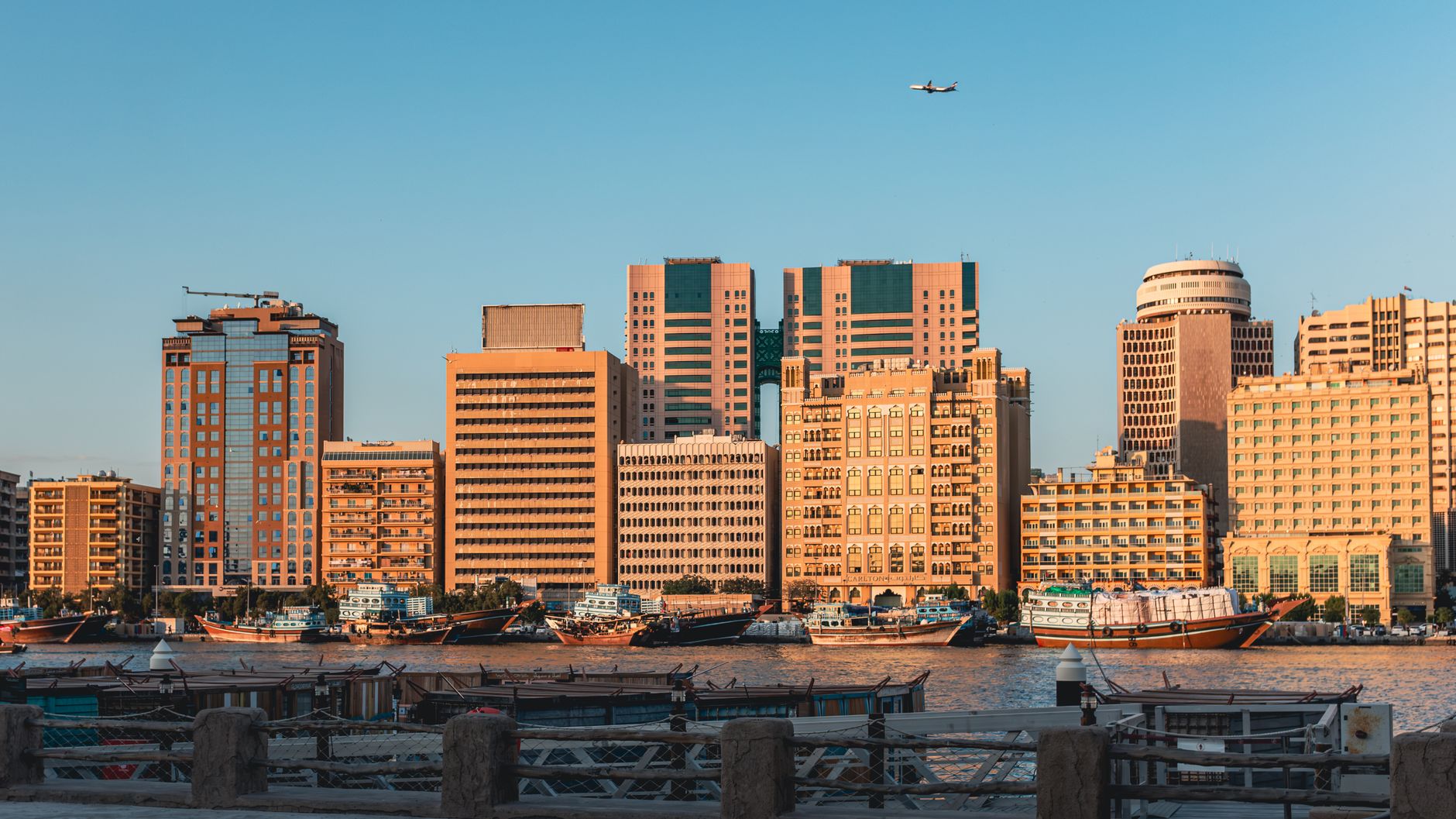
While protectionism and “de‑risking” dominate global trade debates, the Middle East is bucking the narrative, emerging as a rare bright spot for globalization according to a recent Bloomberg “New Economy” analysis. Standard Chartered economists cited in the piece estimate that commerce along the Asia–Middle East corridor could reach about 1.5 trillion dollars by 2030, up from 905 billion in 2024.
The Gulf Cooperation Council—led by the UAE and Saudi Arabia—has seen trade grow at an annual rate of around 15% between 2021 and 2024, far outpacing the roughly 9% global average. This expansion has increased the region’s share of world trade and positioned Gulf states as critical nodes linking Asia, Europe and Africa.
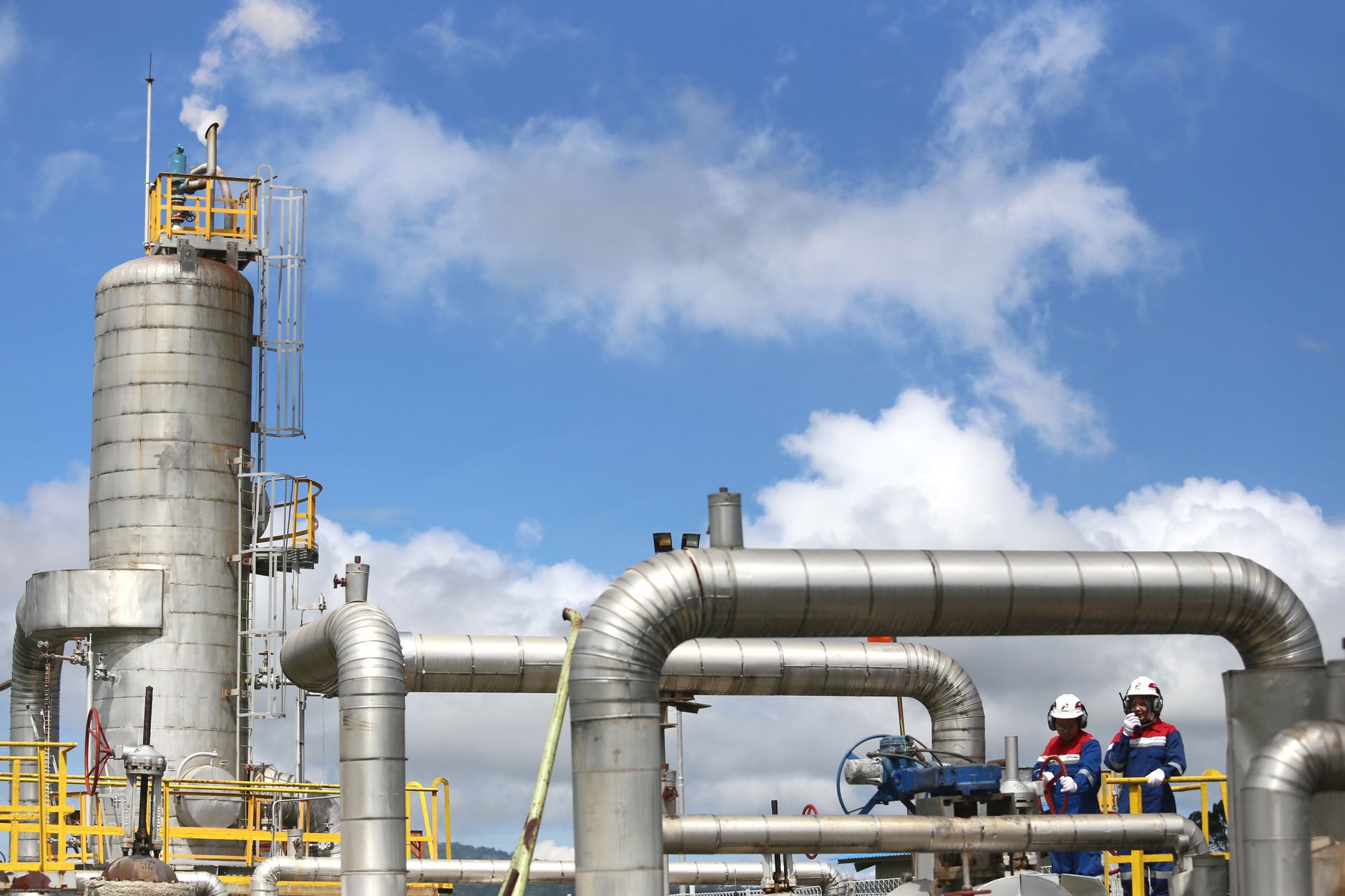
Energy remains the bedrock of this relationship. Gulf producers supply a large share of crude and LNG to Asian economies, while Chinese, Japanese and Korean firms are central to Gulf renewables and infrastructure projects. For instance, Bourse & Bazaar’s energy‑ties report highlights how the UAE and Oman sourced more than three‑quarters, and in some years nearly all, of their solar modules from China in the early 2020s.
But the corridor is broadening beyond hydrocarbons. Gulf capital is flowing into Asian logistics, power and manufacturing, while Asian firms invest in Gulf giga‑projects, telecoms and financial services. ACWA Power’s multibillion‑dollar power projects in Uzbekistan, Masdar’s renewables in Kazakhstan and Central Asia, and Asian participation in Saudi and Emirati industrial cities all illustrate the new geography of investment.
Infrastructure in and around key hubs is evolving accordingly. Abu Dhabi is seeking partners for about 54 billion dollars in infrastructure projects over five years, while Dubai and Saudi ports are upgrading capacity to handle rising container and bulk volumes tied to Asia trade. Telecom and data‑infrastructure forums like Capacity Middle East underscore that subsea cables, data centers and cloud availability zones are now as important to trade as physical ports and pipelines.
For smaller Asian economies—such as Thailand, Vietnam, Indonesia and the Philippines—the corridor presents opportunities to attract Gulf investment into sectors like tourism, agribusiness and digital economy. Conversely, Gulf states are looking to diversify import sources of food, manufactured goods and technology away from a narrow set of partners.
The trajectory toward 1.5 trillion dollars in trade will not be linear. Risks from global monetary tightening, slower oil‑demand growth and geopolitical tensions could periodically disrupt flows. Nevertheless, the structural drivers—complementary resource endowments, infrastructure build‑out and mutual diversification agendas—mean the Asia–Middle East corridor is likely to remain one of the most dynamic axes of globalization into the 2030s.

Written by
TPC Editorial Desk
The Platinum Capital editorial desk
Articles on The Platinum Capital are produced by the TPC editorial desk with the assistance of AI tools, and edited before publication. TPC Awards profiles are based on information provided in nominations and checked against public sources. Reach out at info@theplatinumcapital.com.