

How Diagnostic Labs Make Money: Test Volumes, Reimbursement and Scale
Diagnostic labs earn a small amount on each test and rely on volume, automation and the rates insurers or governments will pay. Here is how the model works.…
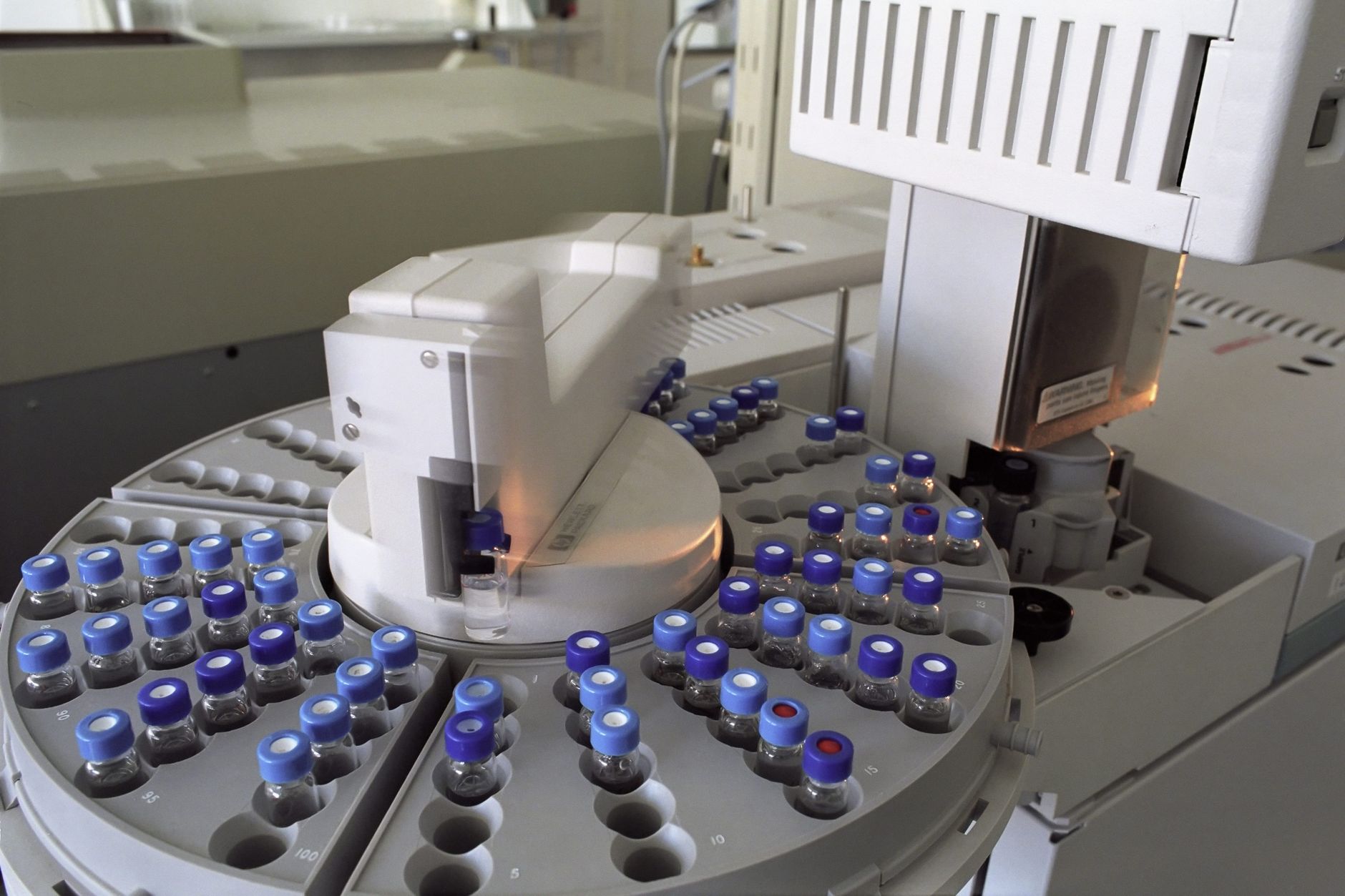
Photo: Yuri Shkoda / Pexels
As of 24 November 2026.
The short answer. A diagnostic lab earns a small fee on each of a very large number of tests. Profit depends on running samples through expensive equipment at high volume and on the payment rate set by whoever covers the test.
How the model works
- Samples come in. Doctors, hospitals, clinics and sometimes patients send blood, urine, tissue or swabs for analysis, or the lab collects them at its own centres.
- Machines do the work. Automated analysers process many samples an hour, so the cost per test falls as volume rises.
- Results go back. The lab reports to the doctor or patient, often through a digital system.
Who pays
Payment comes from insurers, government health programmes or patients paying directly. In many systems the payer sets a fixed rate for each type of test, so a lab cannot easily raise its price and has to lower its cost instead. Changes to those rates can move a lab's income sharply.
Where the cost sits
- Equipment and supplies. Analysers and the consumables they use are major costs.
- Logistics. Collecting and moving samples quickly, often with temperature control, takes vehicles and staff.
- Skilled staff and quality control. Accreditation and regular checks are required to keep results reliable.
Routine versus specialist tests
Routine tests are high in volume and low in margin, while specialist tests, such as certain genetic or cancer tests, pay more per sample but need more expertise and evidence. Many labs mix the two.
What to look for
Test volumes, the share of revenue tied to each payer, the mix of routine and specialist work and the cost of each test show whether a lab can grow without losing margin.
Sources: World Health Organization, Health financing; World Health Organization.
This article is general information and does not constitute legal, financial or tax advice.
The Friday Digest
Enjoyed this? Get the week's top business stories, every Friday.
Free. One email a week. Unsubscribe in one click.

Written by
TPC Editorial Desk
The Platinum Capital editorial desk
Articles on The Platinum Capital are produced by the TPC editorial desk using AI tools and are fact-checked against public sources. Profiles are based on information provided by the subject. Reach out at info@theplatinumcapital.com.


