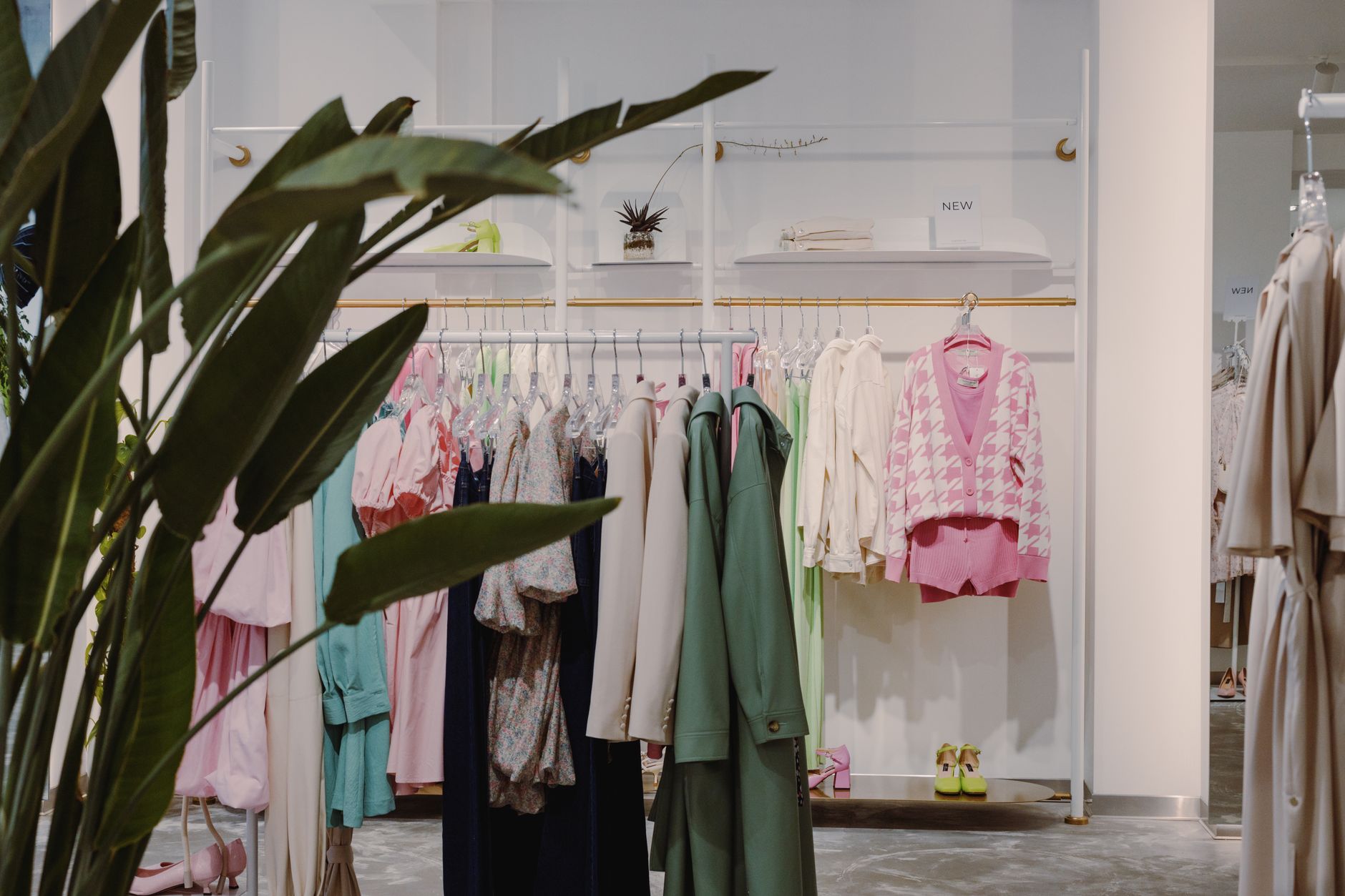
Alabbar's Luxury Portfolio: From Fashion to Fine Dining Across the Gulf
Mohamed Alabbar has assembled a portfolio spanning real estate, fashion, fine dining, and premium hospitality across the Gulf, with Emaar Properties' Dubai Mall serving as its commercial centrepiece, hosting luxury maisons from Chanel and Louis Vuitton to Cartier and Rolex within an environment deliberately designed to rival Bond Street and the Avenue Montaigne on experiential terms. Through partnerships including Eataly's integration into the Dubai Mall ecosystem, the Address hotel brand, and fashion ventures rooted in Arab aesthetics, Alabbar has advanced a proposition that the Gulf is not merely a market to be served by global luxury, but a region capable of generating, hosting, and exporting its own standards of excellence.…

Mohamed Alabbar occupies a rare position in the Arab world's commercial firmament: a builder of cities who also curates the way people shop, eat, dress, and experience luxury within them. The Emirati entrepreneur best known for developing Burj Khalifa and the Dubai Mall has, over three decades, assembled a portfolio that reaches far beyond bricks and glass into the more intimate territories of high fashion, fine dining, and premium hospitality. That breadth of ambition — and the discipline with which he has pursued it — makes Alabbar one of the most consequential figures shaping how luxury is defined and delivered across the Gulf.
The Retail Architecture of a Region
Any serious examination of Alabbar's luxury credentials starts with Emaar Properties, the developer he founded and built into one of the largest real estate companies in the Arab world. Emaar's crown jewel, the Dubai Mall, is not simply a shopping centre. It is a curatorial statement about what premium retail in the twenty-first century can look like. The mall hosts an extraordinary concentration of luxury maisons — from Chanel and Louis Vuitton to Cartier and Rolex — within an environment designed to compete with Bond Street, the Avenue Montaigne, and Via Montenapoleone on experiential terms rather than geographic ones. That is a deliberate ambition, and by most measures, it has worked.
The commercial logic is sophisticated. By controlling the physical environment in which luxury brands present themselves, Alabbar and Emaar wield an influence over brand perception that most landlords never achieve. Architecture, footfall composition, brand adjacency, and the calibre of food and entertainment offerings all serve as instruments of positioning. That integration of property development with curated retail experience has since been studied — and imitated — across the region.
Fashion as a Strategic Front
Alabbar's engagement with fashion moved from landlord to participant with the establishment of Noon, the e-commerce platform he co-founded, which incorporated fashion and lifestyle categories alongside its broader retail ambitions. More directly relevant to the luxury conversation is his founding of Syra, a fashion brand rooted in Arab aesthetics, and his involvement in ventures designed to bring regional design sensibility into alignment with international luxury standards.
The most widely reported chapter in his fashion story is his interest in European luxury fashion houses. The acquisition of Roberto Cavalli, the Italian fashion house, attracted considerable attention across the industry press, and for good reason — though that acquisition was made by Hussain Sajwani's Vision Investment Co., linked to DAMAC Properties, in 2019, with ownership subsequently passing to Marquee Brands in partnership with DAMAC Group. Gulf entrepreneurial involvement in European heritage brands has positioned regional figures not merely as investors in luxury goods but as stewards of storied names — someone prepared to take on the harder work of preservation and evolution rather than simple consumption. That approach signals a sophisticated understanding of how luxury value is actually created: through history, craftsmanship, and narrative.
The broader context matters. Gulf sovereign and private capital has increasingly flowed into European luxury and fashion assets, and such involvement has been among the more prominent examples of this trend at the individual entrepreneurial level. It demonstrated that the relationship between the Gulf and global luxury need not be purely transactional. Few outside the industry paused to appreciate how significant that shift was.
Fine Dining and the Table as a Stage
Fashion may be his most visible move into the softer side of luxury, but Alabbar's restaurant and hospitality investments reveal an equally deliberate strategy. Through Eataly's presence in the region — in which Emaar has played a significant role as a partner — premium food retail and dining have been brought into the Dubai Mall ecosystem in a manner that blurs the line between commerce and culture. Eataly, with its Italian culinary philosophy and its integration of market, restaurant, and education under one roof, fits cleanly with the kind of experiential luxury Alabbar has consistently championed.
Beyond that partnership, Emaar's hospitality portfolio extends to hotels and branded residences under the Address brand, which has become one of the more recognisable luxury hospitality identities in the region. The Address Downtown, sitting adjacent to the Burj Khalifa, draws a guest profile that mirrors the international luxury traveller segment the broader portfolio serves. Dining within these properties reaches corresponding standards, with restaurants built to appeal to guests accustomed to world-class culinary experiences.
Expanding the Gulf's Luxury Geography
Alabbar thinks big geographically. Dubai remains the operational and reputational centre of gravity, but his ventures have extended across the Gulf and into broader markets. Emaar has developed major projects in Egypt, Saudi Arabia, India, and beyond, carrying its retail and hospitality philosophy into markets at varying stages of luxury maturation.
Saudi Arabia demands particular attention right now. As the Kingdom accelerates its transformation under Vision 2030 — creating new urban destinations and stimulating domestic consumption of premium goods and experiences — the expertise Alabbar has accumulated in building luxury retail environments becomes directly applicable. The development of premium mixed-use destinations, where shopping, dining, culture, and accommodation coexist, is precisely the model Saudi planners are trying to replicate at scale. His track record in Dubai gives him a credibility in those conversations that is genuinely hard to match.
Redefining What Arabian Luxury Means
The deeper significance of Alabbar's career lies not simply in the commercial value he has created, but in the cultural proposition he has advanced: that the Gulf is not a market to be served by luxury, but a place capable of generating, hosting, and exporting its own standards of excellence. That shift — from consumption to authorship — is one of the most meaningful in the region's recent commercial history. It has not happened overnight, and it has not happened by accident.
By investing in fashion, building world-class dining environments, developing hotels that attract discerning international travellers, and creating retail destinations that global brands regard as genuine prestige platforms, Alabbar has helped redraw the luxury world's mental map of the Gulf. Where the region was once understood primarily as a market of buyers, it is increasingly understood as a market of makers, curators, and tastemakers. That repositioning has required consistent investment, strategic patience, and an unwavering conviction that the standards of the most demanding global consumers can be met — and sometimes exceeded — in the Arabian Gulf.

Written by
TPC Editorial Desk
The Platinum Capital editorial desk
Articles on The Platinum Capital are produced by the TPC editorial desk with the assistance of AI tools, and edited before publication. TPC Awards profiles are based on information provided in nominations and checked against public sources. Founder & Editor: Imran Ahmed Khan. Reach out at info@theplatinumcapital.com.