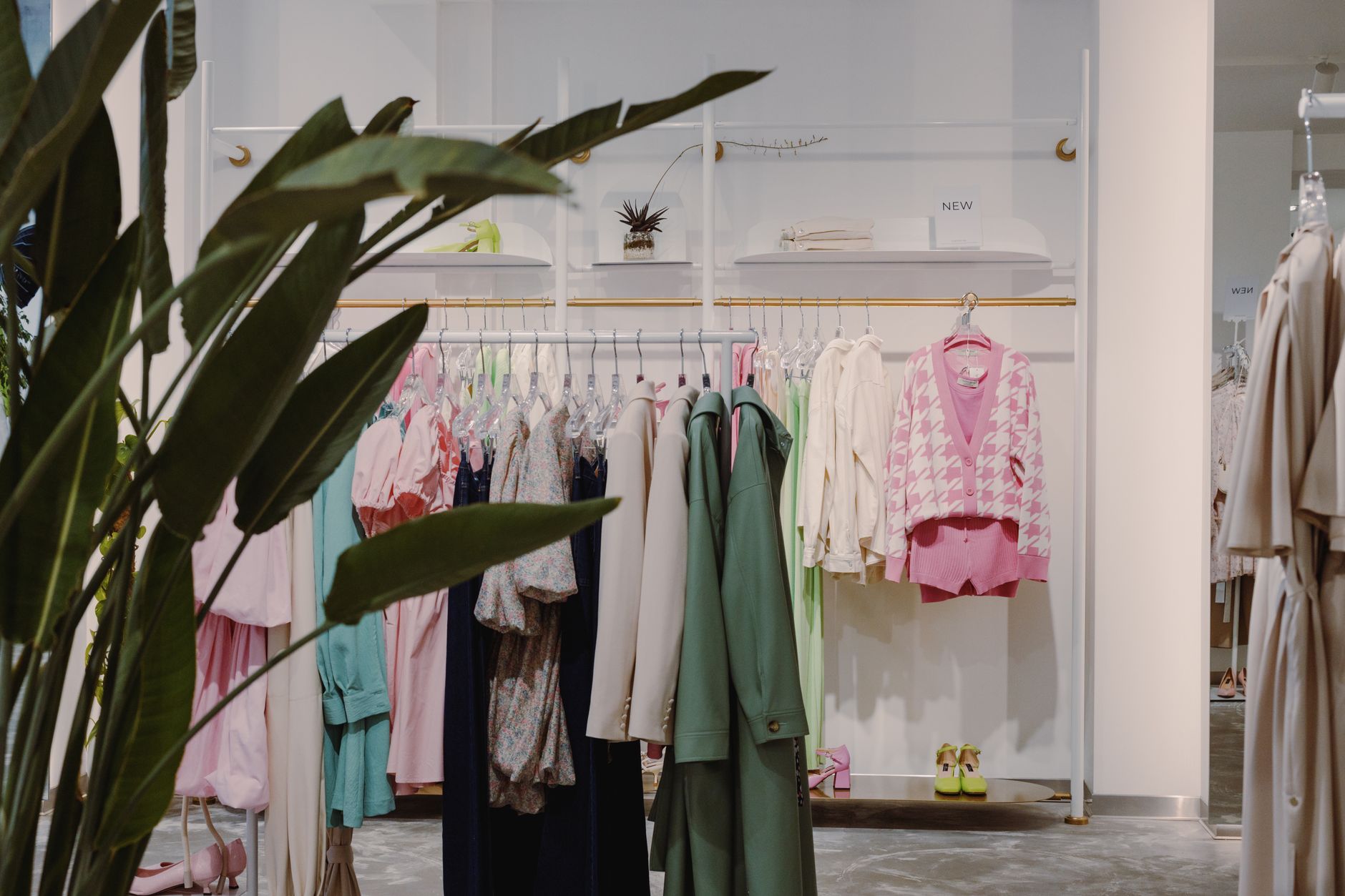

Bernard Arnault's LVMH Expansion Into Saudi Arabia Under Vision 2030
Bernard Arnault's strategic push into Saudi Arabia represents one of the most consequential bets in modern luxury retail, positioning LVMH to capture the spending power of a young, affluent population as the Kingdom systematically dismantles the social conservatism that long suppressed domestic demand for high-end fashion and experiential consumption. The alignment between Vision 2030's aggressive diversification agenda and LVMH's expansion playbook suggests not merely a commercial opportunity but a fundamental reshaping of the global luxury map, with Riyadh poised to rival Dubai as the Gulf's preeminent destination for prestige brands.…

The Architect of Desire Looks East
Bernard Arnault, the chairman and chief executive of LVMH Moët Hennessey Louis Vuitton, has spent more than three decades assembling the world's most formidable luxury conglomerate. With a portfolio spanning over 75 prestigious maisons — from Louis Vuitton and Dior to Tiffany & Co. and Bulgari — the French billionaire has consistently shown an instinct for spotting where the next frontier of affluent consumption will emerge. Today, that instinct points unmistakably toward Saudi Arabia, a kingdom in the midst of its own extraordinary reinvention under the economic diversification programme known as Vision 2030. The collision of Arnault's empire-building ambitions with the Kingdom's sweeping modernisation agenda makes for one of the most compelling intersections of luxury commerce and sovereign transformation in recent memory.
A Kingdom Redefining Itself
Saudi Arabia's Vision 2030, spearheaded by Crown Prince Mohammed bin Salman, has fundamentally altered how global businesses perceive the Kingdom. What was once viewed primarily through the lens of hydrocarbon wealth is now a rapidly diversifying economy pouring capital into tourism, entertainment, culture, and retail infrastructure. The giga-projects tell the story: NEOM, the Red Sea coastal destinations, Diriyah Gate — a heritage and lifestyle district on the outskirts of Riyadh — all designed to attract both international visitors and discerning Saudi consumers. The Kingdom's young, digitally connected population, with a median age under thirty, has emerged as one of the most brand-conscious demographics in the Gulf region. Per capita luxury spending among affluent Saudi consumers ranks among the highest globally. No serious luxury house can afford to look away.
For LVMH, the opportunity is structural rather than speculative. Saudi Arabia is not simply another emerging market. It is a nation actively constructing the physical and cultural architecture required to sustain a world-class luxury retail ecosystem. The relaxation of social restrictions, expansion of entertainment offerings, and growing embrace of international tourism have collectively created conditions highly favourable to the kind of experiential luxury that Arnault's group excels at delivering. That is a significant shift.
LVMH's Strategic Presence in the Kingdom
LVMH's brands have maintained a presence in Saudi Arabia for years, with Louis Vuitton, Dior, Fendi, Bulgari, and other maisons operating boutiques in major cities including Riyadh, Jeddah, and Dhahran. The Kingdom's expanding retail infrastructure — including high-end developments and luxury malls — has provided fertile ground for continued expansion. Arnault's approach to the Saudi market reflects his broader philosophy: luxury must be experienced in environments that match the prestige of the product. LVMH brands have increasingly invested in elevated store concepts and exclusive client experiences tailored to the Saudi consumer.
The hospitality division has also been closely watching developments in the Kingdom. Cheval Blanc and Belmond, both part of the group's portfolio, operate in the ultra-luxury segment that aligns naturally with Saudi Arabia's ambitions to attract high-net-worth travellers. As the Kingdom develops its Red Sea coastline and cultural destinations, the potential for LVMH's hospitality brands to establish a footprint there has become a subject of considerable industry speculation. Few outside the region have noticed just how quickly these pieces are falling into place.
Arnault's Philosophy of Cultural Resonance
What distinguishes Arnault from many of his contemporaries in global business is his conviction that luxury is, at its core, a cultural enterprise. His stewardship of LVMH has been marked by substantial investments in art, architecture, and craftsmanship — most visibly embodied in the Louis Vuitton Foundation in Paris, designed by Frank Gehry, which has become one of the French capital's most celebrated cultural landmarks. This philosophy of intertwining commerce with culture finds a receptive audience in Saudi Arabia, where Vision 2030 has placed enormous emphasis on developing the Kingdom's creative and cultural sectors.
Saudi Arabia's hosting of major fashion events, art exhibitions, and cultural festivals in recent years signals a society eager to engage with the very forms of expression that Arnault's brands represent. The alignment is not merely commercial — it is ideological. Both Arnault and the architects of Vision 2030 share a belief that luxury, art, and heritage can serve as engines of economic diversification and soft power. That philosophical kinship gives LVMH a distinct advantage as it deepens its engagement with the Kingdom.
The Competitive Context
Arnault is not the only luxury magnate with his eyes on Saudi Arabia. Kering, the parent company of Gucci and Saint Laurent, Richemont, which controls Cartier and Van Cleef & Arpels, and independent houses such as Hermès and Chanel have all recognised the Kingdom's growing significance. Competitive intensity among the world's leading luxury groups in the Saudi market is escalating. The brands that establish the deepest relationships with local consumers and partners will likely reap disproportionate rewards in the decades ahead.
Yet LVMH's sheer breadth gives it a structural edge. No other luxury conglomerate can offer the same range of touchpoints — from fashion and jewellery to wines and spirits (where applicable within local regulations), watches, perfumes, and hospitality. That diversification allows LVMH to embed itself across multiple dimensions of the Saudi luxury consumer's life, building a depth of brand loyalty that more narrowly focused competitors will struggle to replicate.
A Relationship With Enduring Potential
Bernard Arnault has built his career on the principle that true luxury transcends trends and economic cycles. His investment decisions are measured in generations, not quarters. This long-term orientation fits well with Vision 2030, which is itself a generational project designed to reshape an entire nation's economic and social fabric. As Saudi Arabia continues to open its economy and invest in the infrastructure of aspiration — world-class retail districts, cultural institutions, hospitality destinations, and entertainment venues — the conditions for LVMH's sustained growth in the Kingdom will only strengthen.
For Arnault, Saudi Arabia represents something more than a market. It represents a partner in ambition — a nation that shares his belief in the transformative power of beauty, craftsmanship, and excellence. As the Kingdom builds its future, the world's most powerful luxury executive appears determined to ensure that the houses of LVMH are woven into it. That is a strategic commitment that deserves sustained attention from investors, industry observers, and anyone trying to understand how the global luxury economy is being reshaped by the rise of the Gulf.
Written by
Khalid Al-Rashidi
Gulf & Middle East Correspondent · Emerging & Strategic Wealth
Khalid covers the family offices, luxury operators, and strategic capital moving across the GCC and wider Arab world — often before the rest of the region notices. He's spent years tracking how Gulf wealth structures itself for the next generation, from residency programmes to private aviation. Based between Dubai and Riyadh. Reach out at khalid.al-rashidi@theplatinumcapital.com.