
Battery Metals: Lithium, Cobalt and the Race for Supply
Lithium and cobalt have shifted from the margins of commodity markets to the centre of geopolitical strategy within a decade, with the lithium triangle of Argentina, Bolivia and Chile holding the world's largest known reserves and the Democratic Republic of Congo supplying the majority of mined cobalt, while China has built commanding dominance in the processing of both metals, creating layered strategic vulnerabilities that raw reserve figures alone fail to capture. Governments across the United States, the European Union, Japan and South Korea have responded with waves of industrial policy intervention — including subsidies, bilateral agreements and procurement frameworks — even as the sector's structurally embedded boom-bust cycle, driven by the multi-year gap between price signals and new supply, continues to make rational long-term investment planning genuinely difficult for producers and consumers alike.…

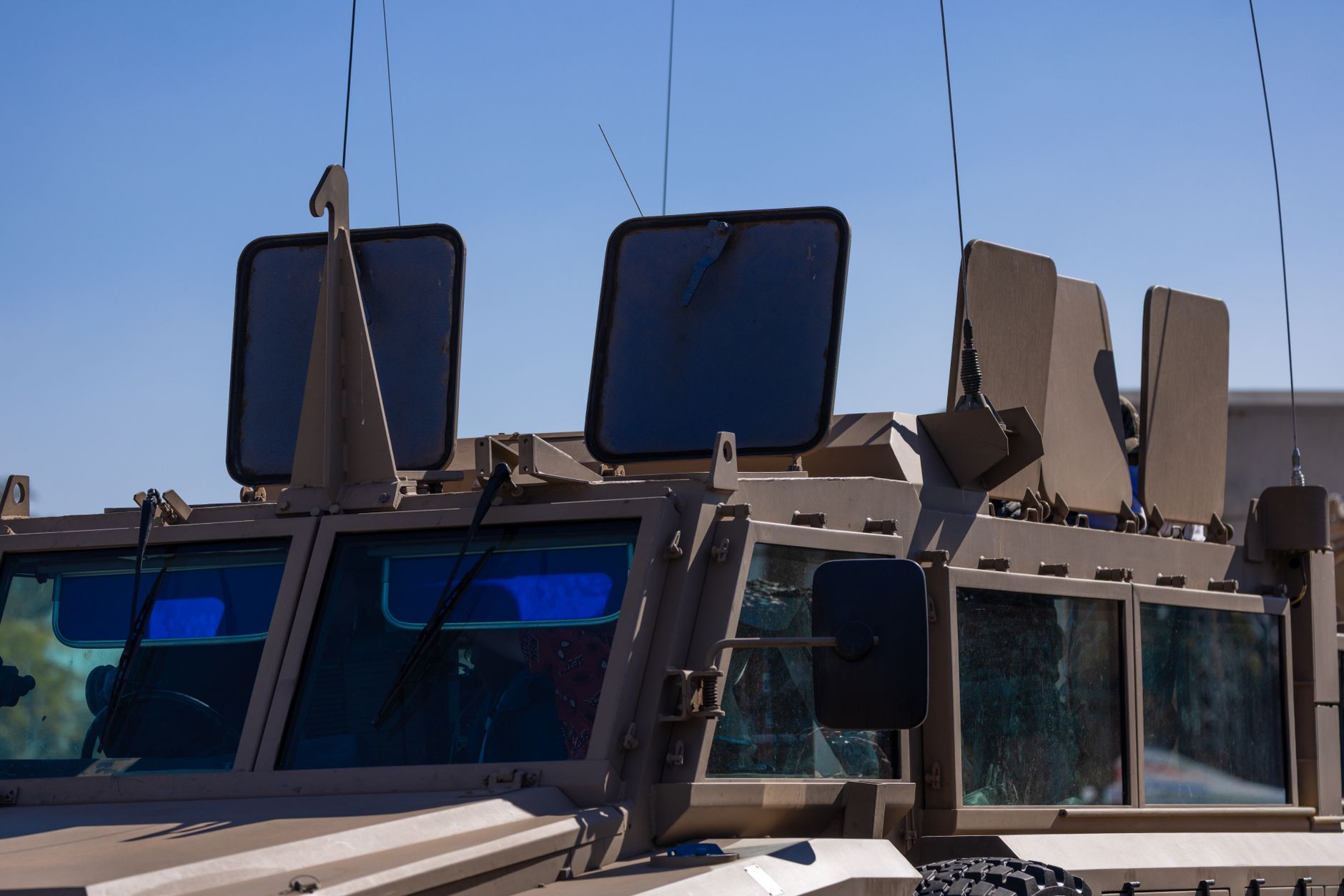
Photo: Anni Roenkae / Pexels
No frontier in the global energy transition is more contested than the race to secure battery metals. Lithium and cobalt — the twin pillars of modern electrochemical storage — have moved from the margins of commodity markets to the centre of geopolitical strategy, industrial policy and investor scrutiny in the space of a decade. The companies and governments competing for control of these resources are shaping not merely the future of electric vehicles, but the deeper architecture of twenty-first-century power. Where supply stands today, where it is headed, and who holds the cards comes down to a sober reading of geology, politics and capital — in roughly equal measure.
The Geological Lottery and Its Consequences
Battery metals are not distributed by any logic that respects the preferences of consuming nations. The lithium triangle — spanning the high-altitude salt flats of Argentina, Bolivia and Chile — holds the world's largest known lithium reserves. The Democratic Republic of Congo, meanwhile, has long supplied the majority of the world's mined cobalt, a concentration of geological fortune that sits uneasily alongside the country's enduring governance challenges. That mismatch between where metals are found and where they are needed has defined the supply anxiety running through every boardroom producing batteries at scale.
Australia emerged over the past several years as a significant counterweight, establishing itself as a leading producer of hard-rock lithium spodumene, with operations in Western Australia supplying refiners across Asia. This diversification has offered some relief to buyers wary of South American political risk. It has not, however, dissolved the fundamental vulnerability that consuming nations face. China has built commanding dominance in the processing of both lithium and cobalt, adding a second layer of strategic exposure that raw reserve figures alone do not capture.
The Cobalt Problem
Of the two metals, cobalt has attracted the sharper reputational and ethical scrutiny. Reports of artisanal mining conditions in the DRC — including serious concerns about child labour and unsafe working practices — have forced technology companies, automakers and battery manufacturers into uncomfortable public reckonings. Industry's response has been multifaceted. Some companies have sought to audit and certify their supply chains more rigorously. Others have pursued the more radical solution of reformulating battery chemistry to reduce or eliminate cobalt dependency altogether.
Lithium iron phosphate batteries, which contain no cobalt, have gained substantial market share in recent years, particularly in China's domestic electric vehicle market. High-nickel cathode chemistries, which dramatically reduce cobalt content while preserving energy density, have similarly advanced. These shifts have not eliminated cobalt demand — the metal remains essential for high-performance, long-range batteries that dominate premium segments — but they have altered the trajectory of demand growth in ways that few anticipated five years ago. Cobalt's future is now more contingent and contested than its geology once suggested.
Lithium's Volatility and the Investment Cycle
Lithium has lived through one of the more dramatic price cycles in recent commodity history. Prices surged through the early part of this decade, driven by accelerating electric vehicle adoption and supply that struggled to keep pace. That attracted enormous capital into new mining and processing projects. The subsequent correction, as supply expansions materialised and demand growth moderated in certain markets, has tested the resolve of developers and their financiers.
This volatility is not merely a financial inconvenience. It directly affects the pace at which new supply comes to market. Mining projects require years of permitting, construction and ramp-up before they produce a tonne of usable material. When prices fall sharply, marginal projects get shelved, capital moves elsewhere, and the seeds of the next shortage are quietly sown. The boom-bust dynamic is structurally embedded in a sector where lead times are long and price signals are sharp — a combination that makes rational long-term investment planning genuinely difficult for producers and consumers alike.
The Geopolitical Scramble
Governments in the United States, the European Union, Japan, South Korea and elsewhere have concluded that dependence on externally controlled battery metal supply chains represents a strategic vulnerability that market forces alone will not resolve. The result has been a wave of industrial policy interventions: subsidies for domestic processing capacity, bilateral agreements with resource-rich nations, and frameworks designed to preference domestically produced or allied-nation sourced materials in public procurement and incentive schemes. That is a significant shift from where policy stood even five years ago.
The United States has pursued offtake and investment arrangements with partners across Africa, South America and Australia. The European Union has worked to build its own critical raw materials architecture, recognising that the green industrial transition it has committed to cannot be credibly delivered without reliable access to the metals that make it physically possible. These efforts have not yet resolved the underlying supply concentration — building a refinery or a mine takes years — but governments now talk about battery metals in the same breath as national security. Aluminium and copper never quite earned that status.
What Comes Next
Several dynamics will determine how this race resolves over the coming decade. Direct lithium extraction technologies, which promise to recover lithium from brine resources at higher yields and lower environmental cost than conventional evaporation methods, are advancing toward commercial scale in multiple jurisdictions. If they deliver on their potential, they could meaningfully expand the accessible resource base and reduce the geographical chokepoints that currently concentrate supply risk.
Battery recycling represents a second structural shift. As the first generation of electric vehicle batteries approaches end of life at scale, the recovered lithium, cobalt and nickel they contain will begin to constitute a material secondary supply stream. The economics of recycling improve as volumes grow, and regulatory pressure to close the loop on battery materials is intensifying across major markets. A more circular supply chain will not eliminate the need for primary mining — the growth in battery demand is simply too large — but it will gradually reduce the marginal call on new mined supply and add resilience to a system that currently has very little.
The race for battery metals supply is, at its core, a race against time. The energy transition has committed the world to an enormous and sustained demand for materials that require years to bring to market and decades to recycle meaningfully. The companies, governments and investors who grasp that tension most clearly — and act on it most decisively — will shape not only their own fortunes, but the credibility of the transition itself.

Written by
TPC Editorial Desk
The Platinum Capital editorial desk
Articles on The Platinum Capital are produced by the TPC editorial desk with the assistance of AI tools, and edited before publication. Profiles are based on information provided by the subject and checked against public sources. Reach out at info@theplatinumcapital.com.