
Dubai's Listings Pipeline: Which IPOs Are Reshaping the DFM
Dubai's Financial Market has undergone a deliberate structural transformation, driven by government policy decisions to list state-linked entities alongside an expanding wave of family-owned businesses and private equity-backed companies spanning healthcare, real estate, technology-adjacent firms, and consumer services. Underpinning this listings surge are material reforms to disclosure requirements, corporate governance standards, and market infrastructure that have begun attracting institutional allocators from London, New York, and Singapore, signalling that the DFM is evolving from a regional afterthought into a capital market of genuine international standing.…

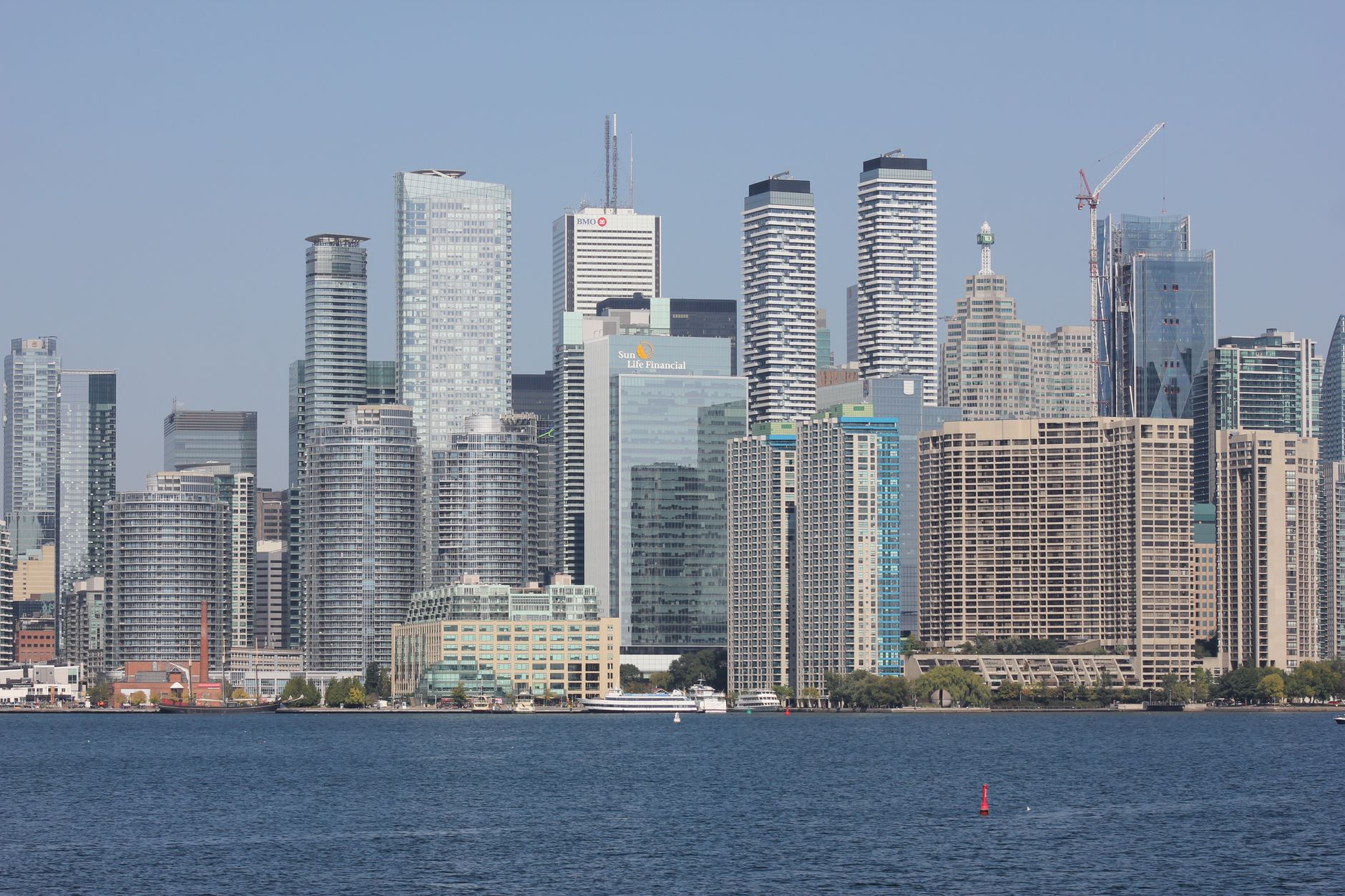
Photo: George Becker / Pexels
Something consequential is happening on the floors of the Dubai Financial Market. After years of modest activity and a reputation as a regional bourse that punched well below its weight, the DFM has become one of the more compelling equity stories in the Gulf — a market pulling in state-linked giants, family conglomerates, and consumer-facing businesses that together are rewriting what it means to list in the Arab world. The pipeline of IPOs now flowing through Dubai is not merely a series of financial transactions. It is a structural shift in how the emirate positions itself as a capital market of genuine international standing.
A Market Transformed
The DFM's resurgence was not accidental. It followed deliberate policy choices made at the highest levels of government — most notably Dubai's leadership deciding to accelerate the listing of government-related entities as a way to deepen liquidity, broaden retail participation, and signal to global institutional investors that the emirate meant business. The listings that emerged across utilities, logistics, and consumer services after 2021 established a template: credible businesses with predictable cash flows, priced to attract both domestic and international capital. That template has since been refined and repeated, with notable success.
The composition of the listings pipeline has evolved considerably. Earlier waves leaned heavily on government-linked enterprises — which carried implicit state backing and therefore lower perceived risk. More recent additions reflect a broader range of sponsors, including family-owned businesses making their first foray into public markets and private equity-backed companies seeking an exit route with regional credibility. That diversification matters. It signals that the DFM is becoming a venue of genuine choice rather than administrative convenience — a distinction that institutional allocators in London, New York, and Singapore have started to take seriously.
The Role of Sector Diversity
Among the more striking features of Dubai's current listings wave is its sectoral breadth. Healthcare, technology-adjacent businesses, real estate developers, and consumer-facing retail and hospitality groups have all featured in recent and forthcoming IPO activity. This variety reflects the underlying composition of Dubai's economy — one that has grown increasingly service-oriented and consumption-driven, supported by a large and relatively affluent expatriate population that provides a substantial domestic demand base.
Healthcare has drawn particular attention. A growing regional population, rising rates of chronic illness, and sustained government investment in medical infrastructure have made healthcare operators attractive listing candidates. Real estate — perennially one of Dubai's defining economic sectors — keeps generating candidates too, as developers look to unlock capital for expansion or offer investors a structured route into an asset class that public markets have historically made difficult to access. These sectors give the DFM a depth it previously lacked and hand investors the kind of diversification that encourages portfolio allocation rather than speculative positioning. That is a meaningful change from where this market stood a decade ago.
Institutional Architecture and Regulatory Confidence
Behind the listings surge sits a regulatory and institutional framework that has been materially strengthened in recent years. The Capital Market Authority has modernised disclosure requirements, raised corporate governance standards, and reduced the friction involved in bringing a company to market. These reforms are less visible than the listings themselves, but they may matter more in the long run. They directly address the structural concerns that international investors have historically raised about Gulf equity markets — transparency, minority shareholder protections, and the reliability of reported financials.
The DFM's own infrastructure has been upgraded too, with improvements to trading systems, settlement processes, and market data provision. For global asset managers operating under increasingly stringent compliance frameworks, those operational improvements reduce the cost and complexity of participating in Dubai's equity markets. The result is a market attracting not just more listings, but better-quality institutional participation in those listings. That dynamic tends to reinforce itself.
Family Offices and the Privatisation Impulse
Two distinct forces are driving the pipeline from the supply side. The first is the ongoing privatisation programme, through which Dubai's government continues identifying state-linked entities suitable for partial or full listing. This programme ranks among the most consequential policy decisions in the emirate's recent economic history — generating substantial proceeds, expanding the DFM's market capitalisation, and creating a roster of well-known businesses around which retail investors can build familiarity with equity markets.
The second force is the growing willingness of family-owned businesses — the backbone of the broader UAE economy — to treat public markets as a legitimate and attractive capital-raising option. For generations, Dubai's most successful family enterprises preferred privacy, flexibility, and the avoidance of disclosure obligations. That calculus is shifting. Succession pressures, the desire to professionalise governance, and the recognition that a public listing can function as a currency for future acquisitions have all made family business owners more receptive. As more of their peers complete listings and demonstrate that the process need not compromise operational autonomy, the pipeline from this segment looks likely to grow.
What the Pipeline Signals About Dubai's Ambitions
The volume and variety of IPOs moving through the DFM reflect ambitions that reach well beyond the proceeds of any individual transaction. Dubai's leadership has been explicit about wanting to establish the emirate as a global financial centre of the first order — not merely a regional hub, but a market that competes with established venues for the attention and capital of the world's most sophisticated investors. The listings pipeline is the most visible expression of that ambition.
Sustaining momentum is the harder task. Equity markets are cyclical, and the conditions supporting Dubai's listings surge — relatively stable oil revenues across the Gulf, a strong post-pandemic economic recovery, and elevated global interest in emerging and frontier markets — will not hold indefinitely. The durability of the DFM's transformation will ultimately depend on whether the reforms embedded over recent years prove robust enough to maintain investor confidence when conditions turn less favourable. On present evidence, there is reasonable cause for optimism. The market being built in Dubai today is substantively different from the one that existed a decade ago, and those structural improvements are not easily undone.

Written by
TPC Editorial Desk
The Platinum Capital editorial desk
Articles on The Platinum Capital are produced by the TPC editorial desk with the assistance of AI tools, and edited before publication. Profiles are based on information provided by the subject and checked against public sources. Reach out at info@theplatinumcapital.com.