
Majid Al Futtaim's Alain Bejjani on Retail Real Estate in a Post-Mall World
Under Alain Bejjani's leadership from 2015 to January 2023, Majid Al Futtaim pursued a deliberate strategy of transforming its Gulf shopping mall portfolio — which includes Mall of the Emirates and its celebrated indoor ski slope — into integrated urban environments combining retail, hospitality, residential living, and entertainment, responding to the structural pressures of digital commerce with sophistication rather than retrenchment. The group simultaneously advanced one of the region's most prominent sustainability agendas, covering carbon neutrality and renewable energy integration, while sustaining expansion across more than a dozen countries in the Middle East, Africa, and Central Asia, pressing particularly into Saudi Arabia as Vision 2030 spending made it one of the most consequential retail and entertainment markets in the world.…

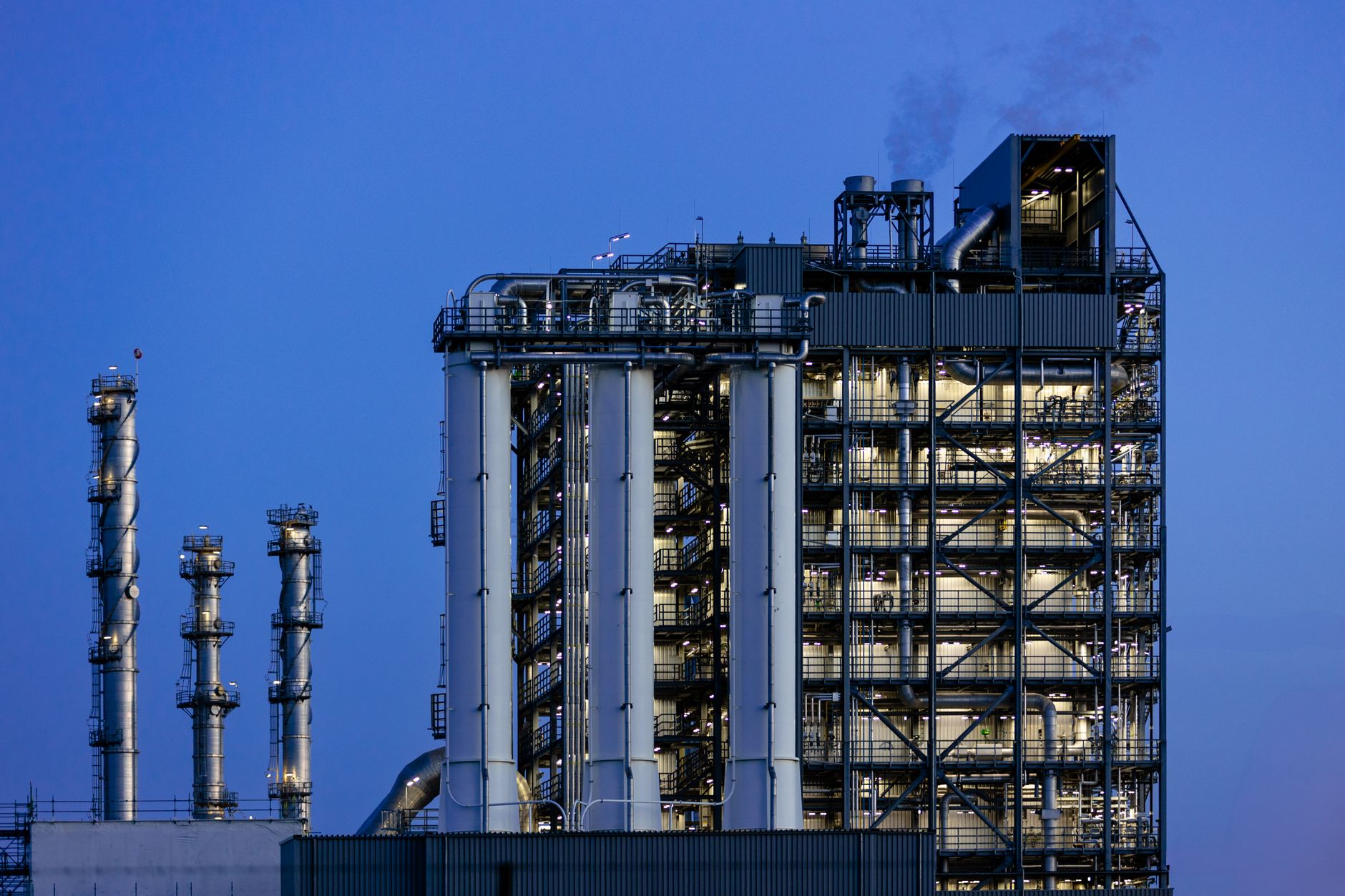
Photo: Mo Eid / Pexels
When Alain Bejjani took the top job at Majid Al Futtaim in 2015, he inherited one of the Middle East's most consequential private enterprises — a conglomerate whose fortunes had been built, almost architecturally, on the proposition that the shopping mall could anchor an entire way of life. His tenure, which ended in January 2023, amounts to something more complex and more interesting than simple custodianship. He ran a sustained effort to reimagine what retail real estate means in a region where consumer expectations, digital commerce, and urban development have all shifted beneath the industry's feet at the same time.
Building an Empire Beyond the Mall
Majid Al Futtaim, the Dubai-headquartered group founded by the Emirati businessman of the same name, operates across retail, real estate, and entertainment in more than a dozen countries across the Middle East, Africa, and Central Asia. Its portfolio includes some of the most visited commercial destinations in the region — among them Mall of the Emirates in Dubai, home to an indoor ski slope that became one of retail real estate's most discussed set-pieces, and City Centre Malls spread across multiple Gulf markets. Under Bejjani, the group worked to position these properties not merely as shopping destinations but as integrated urban environments where hospitality, leisure, residential living, and community programming converge. The philosophy is deliberate. In an era when any consumer product can arrive at a doorstep within hours, the physical retail environment must justify its existence on entirely different terms.
That conviction shaped capital allocation, development strategy, and the group's broader public positioning throughout his tenure. The push toward mixed-use development — combining retail anchors with hotels, residences, office space, and experiential attractions — reflects a coherent response to structural pressures that have unsettled retail-focused real estate operators globally. For anyone watching the wider industry, Majid Al Futtaim's trajectory offers an instructive case study.
The Experiential Imperative
Experiential retail has become something of a received wisdom in commercial property circles, routinely invoked without serious examination of what it actually demands in practice. Bejjani's contribution was to treat the idea with operational seriousness rather than rhetorical convenience. Under his direction, the group invested substantially in entertainment infrastructure, dining concepts, and cultural programming designed to give its destinations a reason for existence independent of transactional shopping. The entertainment division, which operates across numerous regional markets, functions as both a revenue stream and a footfall driver for the broader real estate portfolio. That integration is deliberate, not incidental.
The region provides a particular context for all of this. Gulf cities have long used large-scale commercial development as instruments of urban ambition, and the shopping mall in markets such as the UAE and Saudi Arabia carries social functions that differ meaningfully from its Western counterparts. These are places where families gather across generations, where adolescents socialise, and where the controlled environment offers genuine relief from extreme summer heat. That social infrastructure role — which Western malls began losing as suburban car culture fragmented and digital entertainment expanded — has remained relatively durable in Gulf markets. Few outside the region have fully appreciated that distinction. Bejjani consistently sought to deepen rather than take for granted the social contract between destination and visitor.
Sustainability as Strategic Positioning
The expectation that large property owners demonstrate credible environmental commitments has accelerated sharply in recent years. Bejjani moved Majid Al Futtaim toward an ambitious sustainability agenda with considerable public visibility — commitments around carbon neutrality, renewable energy integration, and green building certification across the portfolio. The group became one of the more prominent Middle Eastern property operators to place environmental goals at the centre of its long-term strategic narrative rather than treating them as peripheral corporate responsibility obligations. That is a significant shift for a region not historically associated with that kind of positioning.
The commercial logic is clear enough. Institutional investors, international retail partners, and an increasingly sustainability-conscious consumer base all respond to credible environmental commitments. For a group running assets with the energy demands of indoor ski slopes and large-format air-conditioned retail, the gap between aspiration and operation is real. But the public commitment to closing that gap shaped internal investment decisions in verifiable ways, including significant moves toward renewable energy sourcing across the group's properties.
Leadership Through Regional Complexity
Running a business of Majid Al Futtaim's geographic scope over the course of his tenure required more than commercial acumen. The region absorbed geopolitical disruption, pandemic-related closure of precisely the kind of dense indoor social spaces the group operates, currency pressures in several of its markets, and the accelerating ambitions of Saudi Arabia's domestic development programme. That last point matters. The Kingdom simultaneously represents one of the group's largest growth opportunities and a more competitive environment than existed even five years ago. Bejjani pressed ahead with expansion throughout, maintaining a sustained focus on Saudi Arabia at a time when Vision 2030 spending has made it one of the most consequential retail and entertainment markets in the world.
His background before the chief executive role — which included legal, corporate development, and related functions within the group — gave him an unusually broad grounding in the enterprise he would eventually lead. That internal formation shows. The coherence between Majid Al Futtaim's real estate decisions and its retail and entertainment strategy is not accidental; the parts of the business are managed as interdependent rather than merely adjacent.
What the Post-Mall World Actually Requires
The phrase "post-mall world" circulates with particular confidence among commentators who have watched closures and conversions reshape retail real estate across North America and parts of Europe. The Gulf experience complicates that narrative. Here, the mall as a form is not in retreat so much as under pressure to earn its place in lives that are simultaneously more digital and more demanding of genuine physical experience. Bejjani's tenure at Majid Al Futtaim represents a sustained argument, made through capital deployment and hard development decisions, that the right answer to that pressure is sophistication rather than retrenchment. Whether the model travels beyond the particular social and economic conditions of Gulf markets remains an open question. But as an example of how a major regional operator chose to meet a transforming industry head-on, it deserves careful attention from anyone serious about where commercial real estate goes next.

Written by
TPC Editorial Desk
The Platinum Capital editorial desk
Articles on The Platinum Capital are produced by the TPC editorial desk with the assistance of AI tools, and edited before publication. Profiles are based on information provided by the subject and checked against public sources. Reach out at info@theplatinumcapital.com.