
Hamid Dhia Jafar and Crescent Petroleum's Real Estate Diversification Play
Hamid Dhia Jafar, founder and Chairman of Crescent Petroleum — the oldest private upstream oil and gas company in the Middle East, established in 1971 — has overseen a deliberate expansion of the broader Crescent Group into real estate, with interests spanning residential, commercial, and mixed-use development across multiple geographies, with particular orientation toward the United Arab Emirates. Rather than pursuing volume-driven development cycles, the group has favoured long-horizon positions in assets generating sustainable returns, a strategy that mirrors the decades-long project timelines and institutional discipline that have defined its core energy business.…
In the corridors of Gulf energy and enterprise, few names carry the weight of sustained ambition quite like Jafar. Hamid Dhia Jafar, the founder and Chairman of the Crescent Group and Crescent Petroleum — the oldest private upstream oil and gas company in the Middle East — represents a generation of Gulf business leadership actively reimagining what hydrocarbon wealth can become. As the energy transition reshapes capital priorities across the Middle East, Jafar and the broader Crescent enterprise are drawing increasing attention for a deliberate, measured expansion into real estate and the built environment. That is a significant shift. And it reflects both commercial pragmatism and a longer-term vision for diversified, durable assets.
A Legacy Recast for a New Era
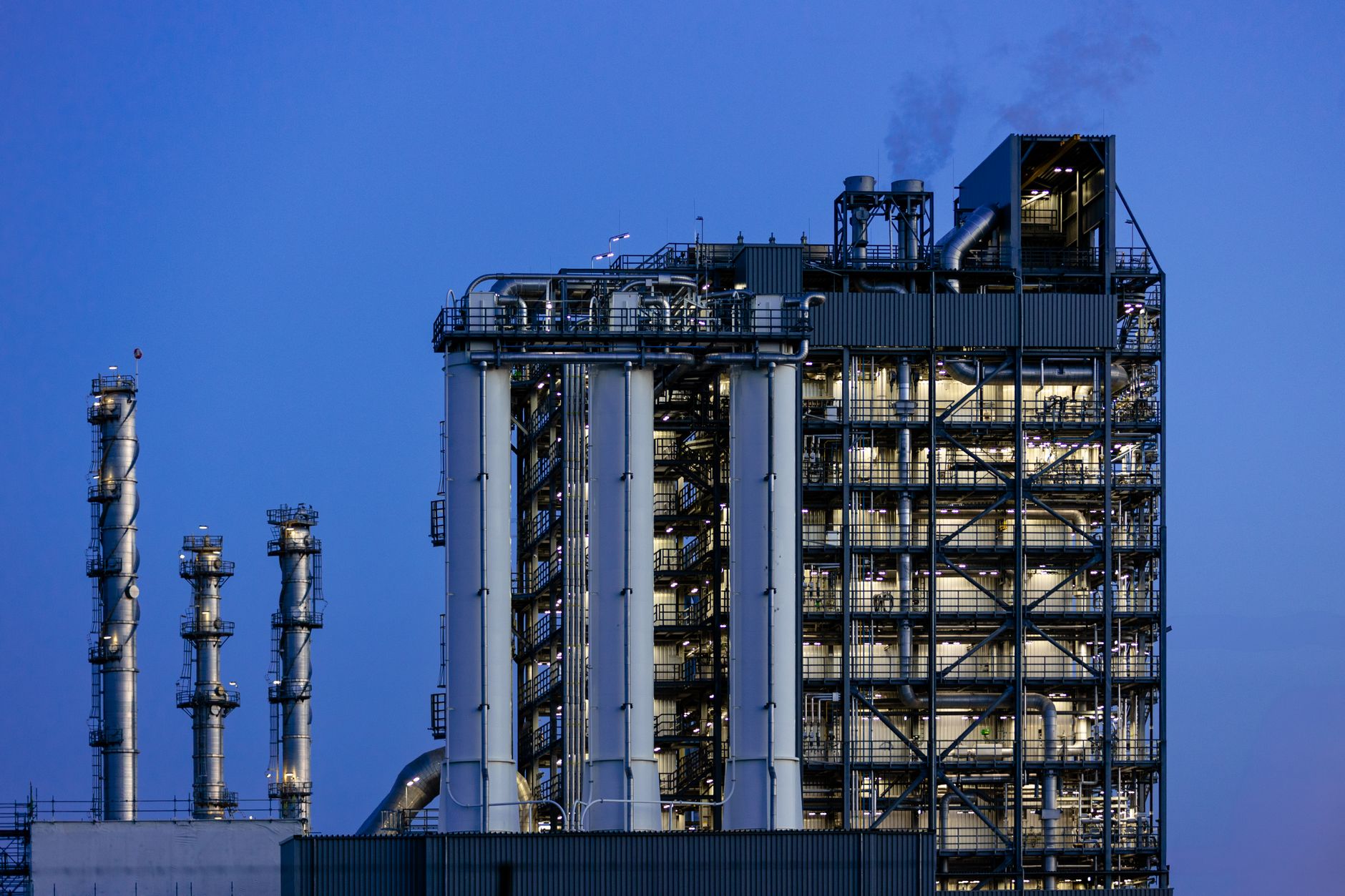
Crescent Petroleum was founded in 1971 and has since grown into one of the region's most respected independent energy companies, with operations spanning the Middle East and a reputation built on technical expertise, long-term contractual discipline, and a distinctly private, family-driven governance model. Hamid Dhia Jafar has shaped its forward trajectory from its founding. The Crescent Group — the broader holding entity — encompasses interests across energy, infrastructure, and increasingly real estate development. That portfolio architecture mirrors strategies adopted by other Gulf conglomerates seeking to reduce their exposure to commodity cycles without abandoning the capital advantages that decades of energy revenue have afforded them.
This context matters. The Gulf's most sophisticated family-led enterprises have long understood that energy wealth, left undeployed in productive non-hydrocarbon assets, is inherently cyclical and therefore vulnerable. Jafar's engagement with real estate diversification is not an opportunistic pivot. It is a considered extension of a philosophy that values tangible, income-generating assets with multi-decade utility horizons.
Real Estate as Strategic Infrastructure
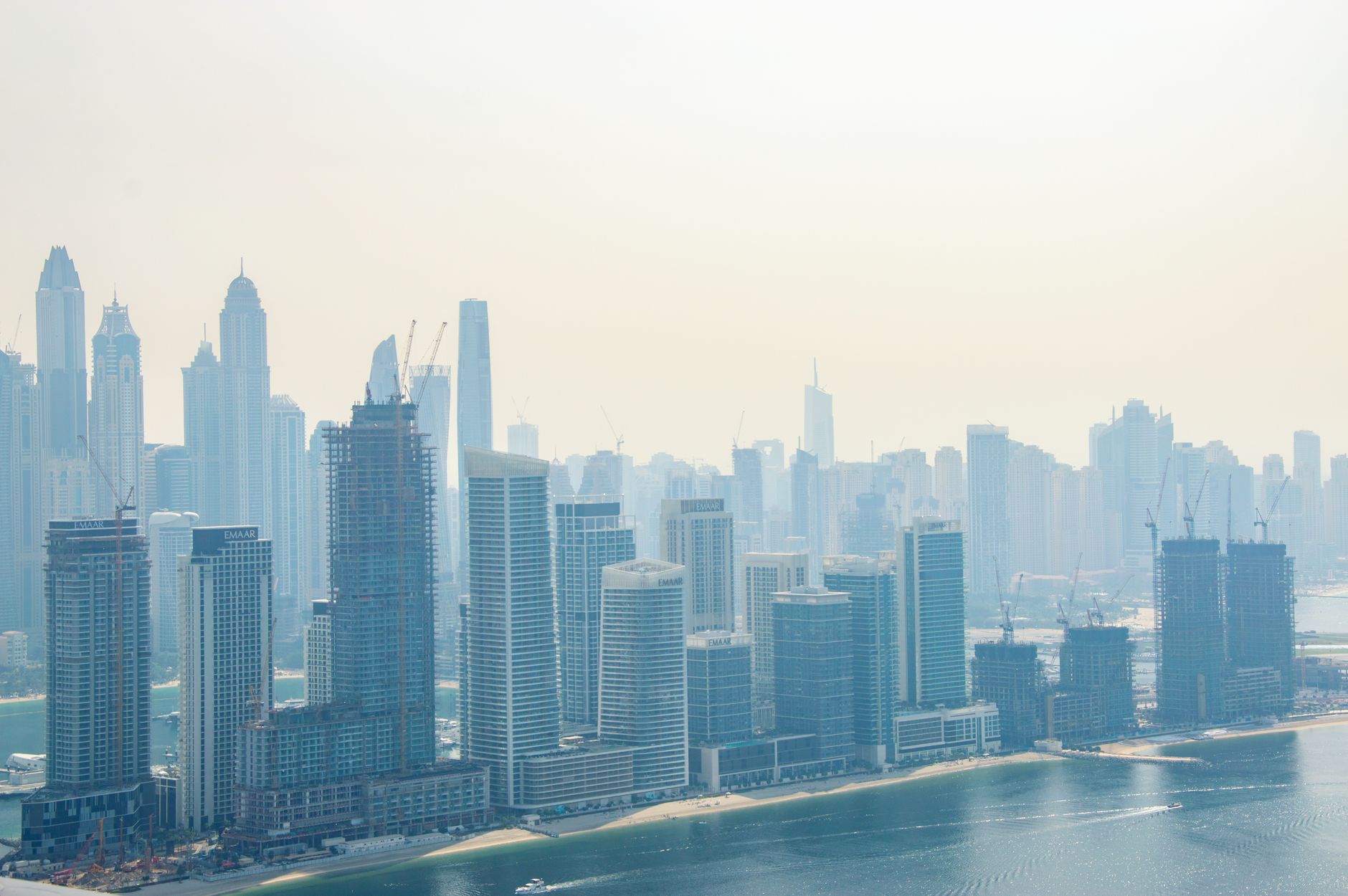
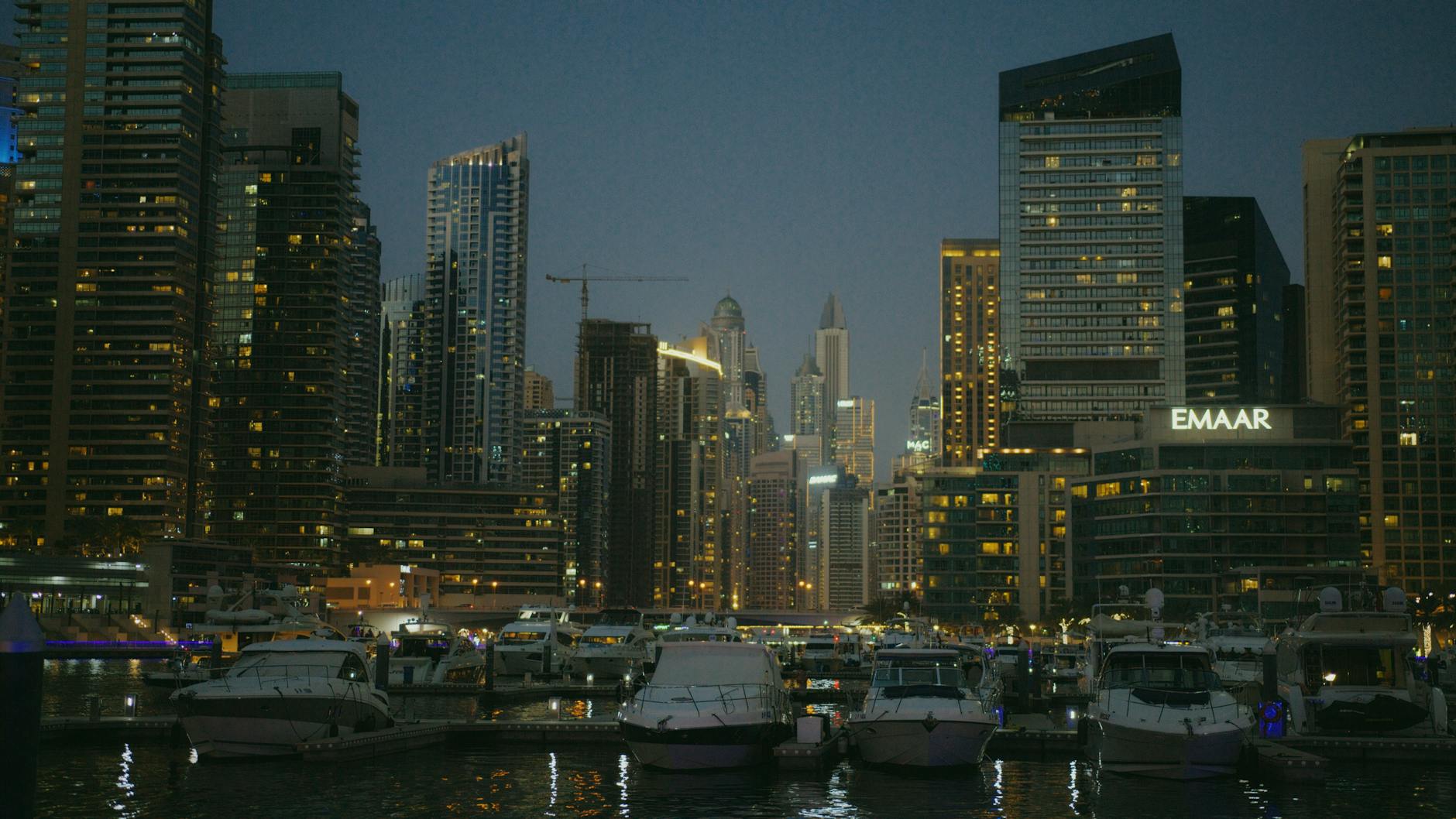
Within the Crescent Group's broader diversification strategy, real estate has emerged as a meaningful pillar. The group's interests have spanned residential, commercial, and mixed-use development across several geographies, with a particular orientation toward the United Arab Emirates — a market where regulatory frameworks have matured significantly over the past decade and where foreign and institutional capital continues to flow in substantial volumes. The UAE's property market, particularly in Abu Dhabi and Dubai, has demonstrated remarkable resilience through multiple global economic cycles. For patient, long-horizon investors of Crescent's profile, that resilience is the whole point.
What distinguishes the Crescent approach from more speculative regional players is its emphasis on asset quality and depth of holding period. Rather than chasing volume-driven development cycles tied to short-term market conditions, the group has historically favoured positions in assets that generate sustainable returns over time. That orientation aligns naturally with the group's energy business culture, where project timelines run in decades and contractual relationships depend on institutional trust rather than transactional convenience.
Hamid Dhia Jafar's Role in Shaping Group Strategy
Hamid Dhia Jafar's contribution to the group's strategic evolution has been characterised by engagement with international networks, industry dialogue, and the kind of institutional relationship-building that underpins long-term capital deployment. He has appeared at major industry forums and has been associated with efforts to position Crescent's various enterprises as serious, credible participants in global conversations about energy, sustainability, and urban development. The dual engagement — rooted in the group's energy heritage while reaching toward broader asset classes — reflects the intellectual range that defines his public profile.
His leadership of the Crescent enterprise faces a challenge that confronts virtually every major Gulf business dynasty: how to translate the enormous competitive advantage of early energy positioning into a diversified enterprise capable of generating returns in a post-oil transition environment. Real estate, with its capacity to absorb large capital sums, generate recurring income, and appreciate in well-managed markets, offers one of the most legible answers to that challenge. Jafar's visible engagement with this agenda suggests a serious commitment to executing it with the same long-termism that has defined the group's energy work.
The Broader Gulf Real Estate Moment
Crescent's move into real estate does not occur in isolation. Across the Gulf Cooperation Council, sovereign wealth funds, family offices, and large conglomerates have accelerated their exposure to built-environment assets — both domestically and internationally — as part of a structural reallocation away from pure commodity dependence. Saudi Arabia's Vision 2030 programme has placed urban development at its ideological centre. Abu Dhabi and Dubai continue to compete for the title of the region's preeminent real estate destination. Qatar's post-World Cup urban inheritance is being converted into long-term residential and commercial stock. Few outside the region have noticed just how coordinated this reallocation has become.
Against this backdrop, private enterprise players like the Crescent Group occupy a distinctive position: nimbler than sovereign vehicles, more capitalised than most regional developers, and insulated from political cycles by their private ownership structure. For international investors, partners, and analysts assessing the Gulf real estate sector, the participation of established names like Crescent carries a clear market signal. These are not opportunistic actors. They represent the region's most durable commercial institutions making deliberate, structured bets on the long-term value of well-located, well-managed property assets.
A Durable Architecture for Coming Decades
What emerges from a careful look at Hamid Dhia Jafar's position within the Crescent enterprise is a portrait of leadership fundamentally oriented toward endurance. The founding business model, the long-contract energy culture, the deliberate asset selection in real estate — all of it points toward a strategic architecture designed to outlast any single market cycle. In a regional economy undergoing one of the most consequential structural transformations in its modern history, that kind of patient, institutionally grounded diversification may prove to be among the most consequential forms of leadership available.
As the Gulf's real estate sector matures and international capital continues to seek credible, well-governed local partners, the Crescent Group's positioning — and Hamid Dhia Jafar's role within it — warrants close attention from anyone seriously interested in where the region's private wealth is being directed, and why.

Written by
TPC Editorial Desk
The Platinum Capital editorial desk
Articles on The Platinum Capital are produced by the TPC editorial desk with the assistance of AI tools, and edited before publication. TPC Awards profiles are based on information provided in nominations and checked against public sources. Reach out at info@theplatinumcapital.com.