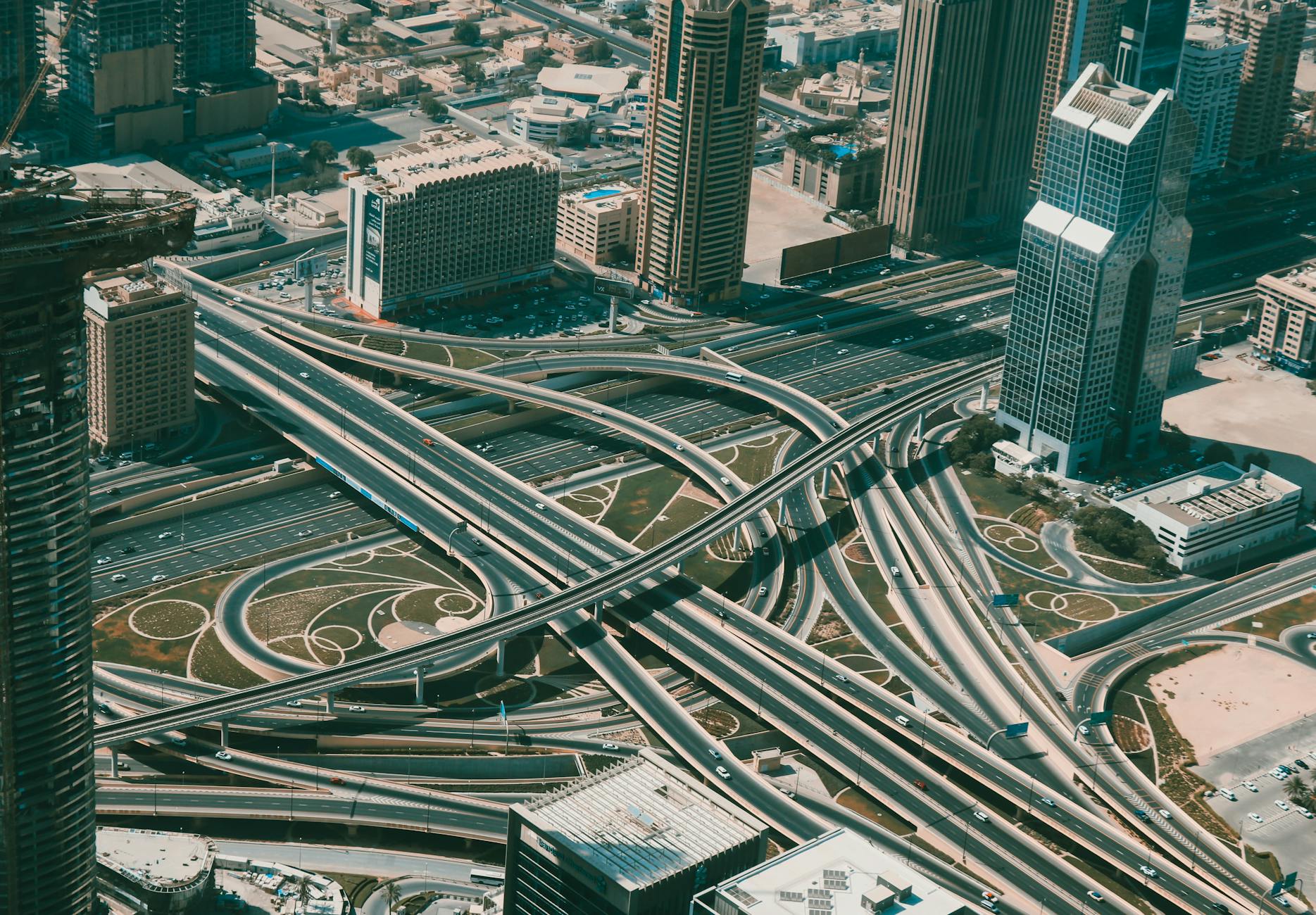

Emaar's Mohamed Alabbar on Why Branded Residences Are the New Luxury Standard
Mohamed Alabbar has spent three decades transforming Dubai's skyline, but his latest strategic pivot signals a broader conviction that the future of ultra-premium real estate lies not in bricks and glass alone but in the intangible currency of brand affiliation. Under his stewardship, Emaar's expanding portfolio of branded residences — partnerships that fuse hospitality pedigree with residential permanence — reflects a calculated bet that global wealth holders increasingly demand lifestyle ecosystems rather than mere addresses.…
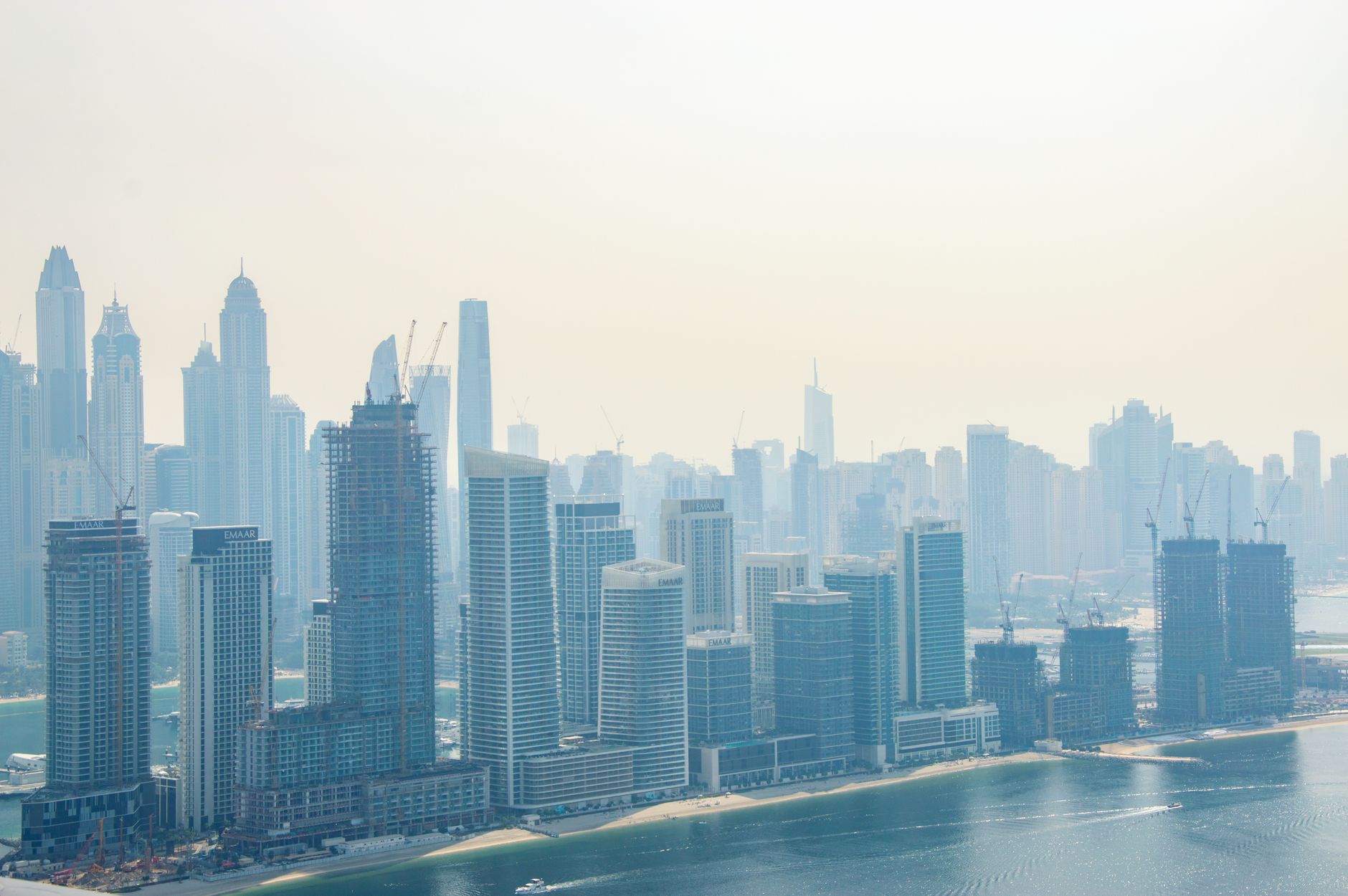
The Architect of Aspiration
When Mohamed Alabbar talks about the future of luxury real estate, the industry listens. Not just because he built the world's tallest building — though that helps — but because he has spent three decades reshaping what it means to live at the intersection of ambition and refinement. As the founder of Emaar Properties, the Dubai-based development giant behind the Burj Khalifa, the Dubai Mall, and a portfolio of communities that have defined the modern Gulf city, Alabbar has earned an authority that few in global real estate can match. And now, as branded residences emerge as the dominant force in high-end property markets worldwide, his vision once again appears to be several steps ahead of the curve.
From Dubai Creek to Global Empire
Mohamed Alabbar's story is inseparable from Dubai's own transformation. Born in the emirate, educated at Seattle University in the United States, he came home and built one of the most influential real estate companies in the Middle East. Emaar Properties, established in 1997, went on to develop Downtown Dubai — a district now synonymous with the city's skyline and its identity as a global destination. The Burj Khalifa, completed in 2010, remains the world's tallest structure. It was a feat of engineering and branding that announced Dubai's arrival on the world stage in terms no one could ignore.
But Alabbar's ambitions have never been confined to a single tower or a single city. Emaar has expanded into markets across the Middle East, North Africa, South Asia, and beyond, with developments in Egypt, Turkey, India, and other countries. He pushed into retail through Noon.com, the e-commerce platform he launched to compete in the region's digital economy, and into food and hospitality. Through it all, one idea has held constant: experiences and environments can be designed to elevate everyday life. That philosophy is now crystallizing most clearly in the branded residence model.
Why Branded Residences Have Become the New Standard
The concept of branded residences — luxury homes developed in partnership with hospitality, fashion, or lifestyle brands — is not entirely new. Four Seasons, Ritz-Carlton, and Armani have offered such products for years. What has changed is the scale of demand and the sophistication of the offering. According to widely cited industry research, the global branded residences sector has grown substantially over the past decade, with hundreds of schemes now operational or in development across major cities and resort destinations.
Alabbar spotted this shift early. Emaar's partnership with Giorgio Armani for the Armani Hotel and Residences inside the Burj Khalifa was one of the most high-profile branded residence launches in history. The collaboration went beyond surface-level aesthetics; Armani himself was involved in the interior design, creating living spaces that reflected the Italian designer's minimalist sensibility. The project proved that a branded residence could be more than a hotel room with a kitchen — it could be a complete lifestyle proposition, curated from lobby to linen closet. That is a significant distinction.
Since then, Emaar has continued to pursue partnerships that pair real estate expertise with brand cachet. The company's portfolio includes developments associated with some of the world's most recognized luxury names, each collaboration designed to deliver a level of service, design, and community that conventional high-end developments struggle to replicate.
The Economics of Brand and Brick
Alabbar's embrace of branded residences is not merely aesthetic. It is deeply strategic. Branded units consistently command price premiums over comparable non-branded properties, a dynamic well documented by Knight Frank, Savills, and other major property consultancies. For developers, the association with a globally recognized brand reduces marketing risk and accelerates sales, particularly among international buyers who may not know local developers but trust the standards attached to a familiar luxury name.
For buyers, the appeal is equally tangible. Branded residences typically offer hotel-level services — concierge, housekeeping, dining, wellness facilities — wrapped into a residential ownership model. In a city like Dubai, where a significant proportion of luxury buyers are purchasing from abroad, the brand serves as a proxy for quality assurance. Alabbar has said as much publicly, emphasizing that today's luxury buyer is purchasing not just square footage but a promise of consistent excellence.
This approach has helped Emaar hold its position as one of the most valuable real estate companies in the region, with a market presence spanning residential, commercial, hospitality, and retail sectors. Under Alabbar's leadership, the company has continued to report strong sales figures, driven in part by the enduring appeal of its branded and premium offerings.
Dubai as the Global Stage
Alabbar's influence on the branded residence phenomenon cannot be separated from the broader Dubai story. The emirate has become one of the world's most active markets for branded residential development, attracting partnerships with fashion houses, automotive marques, and hospitality groups eager to attach their names to the city's booming property sector. The influx of wealth into Dubai — driven by favorable tax policies, residency visa reforms, and the city's positioning as a business hub between Europe and Asia — has created a buyer pool uniquely receptive to the branded residence proposition. That is a significant shift.
Alabbar has been both a beneficiary and an architect of these conditions. His close relationship with Dubai's leadership and his role in shaping the emirate's commercial infrastructure have given him an unusual vantage point — one that lets him anticipate and respond to market trends faster than most. When Dubai introduced long-term residency visas and expanded foreign ownership rules, Emaar was positioned to capitalize immediately, offering international buyers products that matched their expectations for luxury, service, and investment potential.
A Legacy Still Being Written
At a stage in his career when many executives would be content to manage existing portfolios, Alabbar keeps pushing. Emaar's pipeline of projects in Dubai and internationally suggests a company that sees significant runway ahead, particularly in the branded and ultra-luxury segments. His public statements consistently return to themes of quality, innovation, and the conviction that the best developments are those that create emotional connections with their residents.
The branded residence model, as Alabbar has helped define it, represents something more than a marketing tactic. It recognizes that in an era of global mobility and abundant choice, the most successful developments will offer not just shelter but identity — a curated environment that tells buyers something about who they are and how they wish to live. In this respect, Alabbar has done what he has always done: understood what people aspire to before they fully articulate it themselves, and then built it at a scale that reshapes the market around it.
As the branded residence sector matures and competition intensifies, the standards he helped establish — meticulous design partnerships, hotel-grade services, and an unwavering focus on the buyer experience — are becoming baseline expectations rather than differentiators. That his innovations have turned into the industry's norms may be the most telling measure of his impact on modern luxury real estate.
Written by
Tom Whitmore
Senior correspondent · Real Estate & Private Companies
Tom has interviewed most of the operators reshaping the Gulf skyline — and a few of the ones who tried and didn't. His beat is real estate, commodities, manufacturing, and the founder-led private companies that never bother to list. He knows which buildings and balance sheets survive a downturn before the spreadsheet does. Based in Dubai. Reach out at tom.whitmore@theplatinumcapital.com.