Education Endowments: How Gulf Families Fund Universities
Across the Gulf, ultra-high-net-worth families are reshaping the architecture of global higher education through strategically structured endowments that merge philanthropic legacy with long-term capital preservation, channeling billions into institutions from Oxford to MIT while securing generational influence over academic priorities. For family offices and sovereign wealth advisors navigating this landscape, understanding the legal frameworks, naming rights negotiations, and cross-border tax considerations that govern these instruments has become as essential as any conventional asset allocation strategy.…

When the board of trustees of Erth Zayed Philanthropies approved a Dhs 100 million contribution to the Mother of the Nation Endowment for Orphans initiative in February 2026, the announcement drew considerable attention — both for its scale and its speed. But for those who track how Gulf families deploy philanthropic capital, it was less a surprise than a confirmation. Structured, endowment-led giving has become the defining architecture of wealth stewardship across the Arabian Peninsula. And education sits at its centre.
The Endowment Model Takes Root
Gulf philanthropy has undergone a quiet but consequential transformation over the past decade. What once operated as discretionary charitable gifting — responsive, relationship-driven, largely private — has consolidated into institutionalised endowment structures carrying governance frameworks, investment mandates, and multi-generational deployment horizons. Education endowments, in particular, have become the preferred vehicle for families seeking to anchor legacy without sacrificing impact.
The logic is straightforward. A well-constructed education endowment preserves capital in perpetuity, generates annual returns that fund scholarships, faculty chairs, or research programmes, and ties the donor family's name to an institution that outlasts any single generation. For Gulf families managing wealth across real estate, sovereign-linked equities, and increasingly private credit and climate infrastructure, the endowment offers something the rest of the portfolio cannot: permanence with purpose.
The numbers tell a complicated story. According to advisors active in Abu Dhabi and Riyadh, the average size of a family-originated education endowment established in the GCC between 2020 and 2025 exceeded $40 million at inception — roughly three times the regional average from the prior decade. Several exceed $200 million, though the families behind them typically prefer those figures stay out of print.
From Patronage to Partnership: How Gulf Families Engage Universities
The relationship between Gulf families and global universities has matured considerably since the era of headline-grabbing donations to Oxford and Harvard. Today's engagements run as long-term partnerships, not transactional gifts. A family will typically establish a named fund within a university's endowment, negotiate governance rights over how distributions are made, and in many cases retain advisory involvement in selecting scholarship recipients or research priorities.
New York University Abu Dhabi and the London School of Economics both run active Gulf-family-funded scholarship programmes built on precisely this model. King Abdullah University of Science and Technology in Saudi Arabia — itself an expression of sovereign education philanthropy at the largest scale — has attracted co-funding from at least a dozen prominent Saudi family offices seeking to align private capital with national educational ambition.
What is shifting in 2026 is the geography of that engagement. Gulf families are no longer directing education endowments exclusively toward Western institutions. A growing share of new endowment activity — regional philanthropy advisors estimate upwards of 30 percent of new commitments — is flowing toward universities in Southeast Asia, Central Asia, and sub-Saharan Africa. Institutions in Malaysia, Kazakhstan, and Kenya are receiving structured endowment capital from Gulf sources for the first time. The driver is partly strategic: these flows track closely with the UAE and Saudi Arabia's broader south-south economic partnerships. Few outside the region have noticed. They should.
Erth Zayed and the Architecture of Scale
The formation of Erth Zayed Philanthropies as a philanthropic superstructure under the directives of Sheikh Mohamed bin Zayed Al Nahyan represents the most significant institutional development in Gulf philanthropy in recent memory. By consolidating previously separate initiatives — the Zayed Sustainability Prize, the Khalifa Bin Zayed Al Nahyan Foundation, Sandooq Al Watan, and others — into a single holding entity headquartered in Abu Dhabi, the foundation establishes a model that private families across the Gulf are beginning to study and, in modified form, replicate.
That is a significant shift. For family offices watching this development, the signal is clear: consolidating philanthropic vehicles into a single governed entity cuts administrative duplication, sharpens the ability to co-invest alongside sovereign foundations, and builds the kind of institutional credibility that opens doors to university partnerships simply unavailable to smaller, more informal giving structures. Several prominent Abu Dhabi and Dubai families are understood to be in advanced stages of merging multiple charitable vehicles into unified foundations, with education as the primary thematic mandate.
The foundation's stated ambition to achieve positive impact in more than 100 countries — spanning healthcare, education, culture, agriculture, and economic empowerment — also signals that families are designing education endowments not as standalone gifts but as components of integrated impact portfolios. A family endowing a scholarship programme at a Nairobi university may simultaneously be co-investing with Altérra in clean energy infrastructure across East Africa. The engagement becomes layered, regional, and far more durable than any single transaction.
Structuring the Endowment: What Families Get Right — and Wrong
Despite growing sophistication, common structural errors persist. The most consequential is undercapitalisation. At a conservative 4 percent annual distribution rate, a $10 million endowment yields $400,000 per year — enough to fund four to six scholarships, but nowhere near sufficient to endow a faculty chair or establish a credible research centre at a tier-one institution. Families establish funds at a size that simply cannot generate the distributions needed to sustain meaningful programming. The ambition is real. The capital base is not.
A second recurring problem is governance opacity. Families that retain excessive informal control over endowment distributions — bypassing the university's own processes — frequently find the relationship frays within a generation. Institutions with strong development offices, particularly in the United Kingdom and United States, are increasingly demanding clear governance agreements before accepting endowment gifts above $25 million. That threshold matters.
Advisors with active mandates in both Riyadh and Singapore say the families currently achieving the best outcomes treat the endowment as a living institution: appointing independent trustees, subjecting the fund to regular impact reviews, and building in mechanisms for the next generation to reorient thematic priorities without unwinding the capital structure. The families who get this right are building something that compounds — not just financially, but reputationally.
Looking Ahead: The Next Generation as Architects
The most significant shift coming in Gulf education philanthropy is generational. The children and grandchildren of the families who built the region's first major endowments are now stepping into principal roles — and they are arriving with different questions. Where the founding generation often funded institutions as a reflection of national pride or personal relationships, the next generation wants to know what the institution is actually producing. Graduate employment rates. Research commercialisation. Community integration. Results.
Development offices in London, Singapore, and increasingly Almaty and Nairobi are already adjusting their pitch accordingly — learning to lead with outcome data, not institutional prestige. For family office principals and wealth managers determining how to deploy philanthropic capital across generations, education endowments structured with clear impact metrics and flexible governance are rapidly becoming the most defensible expression of family legacy available. Not because they are fashionable. Because they work.
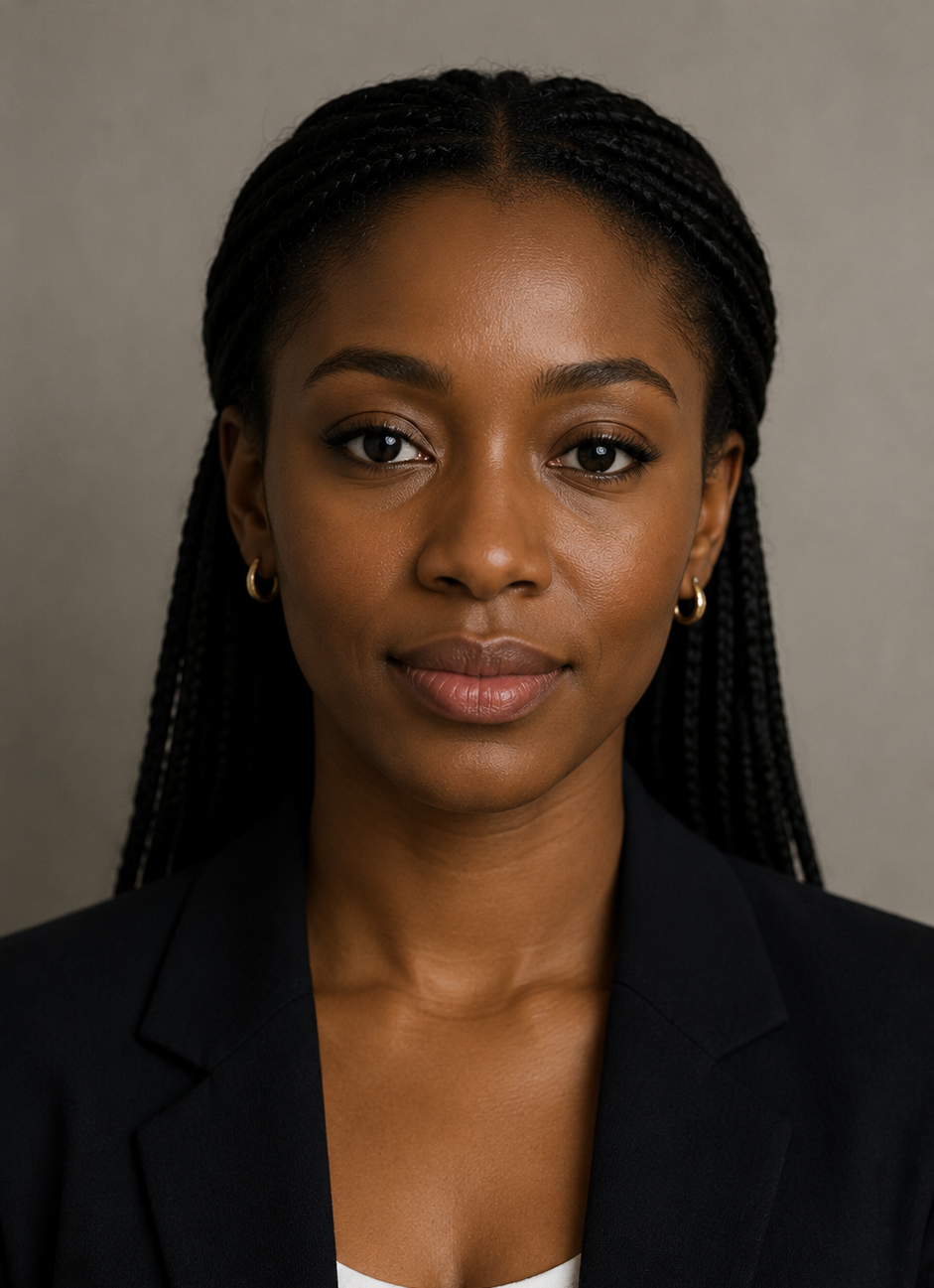
Written by
Amara Osei
Africa & Emerging Markets Correspondent · Philanthropy & Next Generation
Amara covers the philanthropists, foundation founders, and next-generation leaders building wealth and influence across Africa, Southeast Asia, and Central Asia. She has a particular eye for the family businesses handing the reins to a generation educated abroad and building at home. Based in Nairobi. Reach out at amara.osei@theplatinumcapital.com.