

Private Aviation in the Gulf: The Charter Operators Flying the Wealthy
The Gulf's private aviation sector has evolved from a mere convenience into a sophisticated ecosystem of bespoke operators competing fiercely for the patronage of ultra-high-net-worth individuals, royal households and sovereign wealth fund executives who demand seamless connectivity across continents at a moment's notice. With fleet investments surging past record levels and operators expanding into managed aircraft services and fractional ownership models, the region is rapidly consolidating its position as the global epicentre of private charter demand.…
The Sky as Status Symbol: Gulf Private Aviation Enters Its Most Competitive Era
When a Riyadh-based family office dispatched a Bombardier Global 7500 to collect a single passenger from Mykonos last September, the round-trip charter cost exceeded $280,000. The client's only specification: that the aircraft arrive with a specific brand of Saudi coffee brewed on board. This isn't excess for its own sake — it's the baseline expectation of a Gulf private aviation market that has grown 34 percent since 2022 and shows no signs of levelling off.
The private jet charter sector across the six GCC states is projected to reach $4.2 billion in annual revenues by the end of 2026, according to estimates from aviation consultancy WingX Advance. Sovereign wealth diversification, a surge in ultra-high-net-worth individuals, and Saudi Arabia's aggressive economic transformation have turned the Gulf into the world's fastest-growing region for business aviation — outpacing both North America and Southeast Asia in fleet expansion and new operator licensing.
The Operators Dominating Gulf Skies
A handful of charter companies have locked up the region's wealthiest families and sovereign-adjacent clients. Dubai-based Jetex, founded by Adel Mardini, has expanded aggressively into what it calls "private terminal ecosystems," now operating 38 FBO (fixed-base operator) locations globally as of early 2026, with new facilities opened at Riyadh's King Khalid International Airport and in Muscat. The company reported a 41 percent year-on-year increase in Gulf-originating flight hours in 2025. Saudi Arabia alone accounted for nearly a third of that growth.
Abu Dhabi's Royal Jet, partially owned by the Abu Dhabi government through Presidential Flight Authority affiliations, still commands the ultra-premium segment. Its fleet of 16 aircraft — including Boeing Business Jets configured for heads of state — serves a client base that includes ruling family members across multiple Gulf nations. Royal Jet disclosed revenues of approximately $190 million for 2025, reflecting both charter operations and its expanding aircraft management division.
Then there's Riyadh-based SAUDIA Private Aviation, a subsidiary of Saudi Arabian Airlines, which has doubled its managed fleet to 22 aircraft since 2023 in direct response to Vision 2030's demand for premium connectivity. The operator secured a significant contract in late 2025 to provide charter services for delegates attending NEOM-related investment summits — a deal reportedly worth $45 million over three years.
Saudi Arabia's Gravitational Pull
The kingdom has fundamentally altered the centre of gravity for Gulf private aviation. The General Authority of Civil Aviation (GACA) issued 11 new air operator certificates for private charter companies in 2025 alone — more than in the previous five years combined. That is a significant shift. The regulatory opening has attracted international entrants: VistaJet, the Maltese-registered global operator controlled by Thomas Flohr, established a dedicated Saudi operations desk in Jeddah in January 2026, staffed with Arabic-speaking account managers and Sharia-compliant contract structures for family office clients.
The numbers speak for themselves. Saudi Arabia recorded over 14,800 private jet movements in 2025, according to data from EUROCONTROL and regional tracking services — a 28 percent increase from the prior year. Much of this traffic ties directly to the kingdom's events strategy, from Formula One in Jeddah to the expanded Hajj and Umrah seasons, where wealthy pilgrims increasingly arrive by private aircraft. The new King Salman International Airport in Riyadh, slated for partial operations by late 2027, will include a dedicated private aviation terminal designed to handle 600 movements daily.
Family Offices and the Fractional Ownership Pivot
The traditional model of outright aircraft ownership is giving way to more sophisticated structures among Gulf family offices. Fractional ownership programmes and jet card memberships have gained particular traction with the region's next-generation wealth holders — the 30- and 40-something heirs who studied at Wharton or INSEAD and treat aviation as a capital allocation decision, not a vanity purchase.
NetJets, the Berkshire Hathaway subsidiary, quietly re-entered the Gulf market in mid-2025 after a decade-long absence, offering fractional shares in its European fleet to UAE and Saudi residents. The minimum buy-in — a one-sixteenth share in a Bombardier Challenger 350 — starts at approximately $1.1 million, with monthly management fees of $18,000. Industry sources say NetJets signed over 40 Gulf-based fractional owners within its first eight months of renewed operations. Few outside the region have noticed.
Emirates-based Elit'Avia, which manages aircraft for private owners across the Middle East, reported that 60 percent of its new management contracts in 2025 came from Saudi and Qatari family offices looking to offset ownership costs through charter-back arrangements. The structure is straightforward: an aircraft owner makes the jet available for third-party charters when not in personal use, and the operator handles bookings and maintenance. A well-utilised large-cabin jet can recover 40 to 55 percent of its annual operating costs this way.
Fleet Orders and the Manufacturers' Bet on the Gulf
Airframe manufacturers are placing enormous bets on continued Gulf demand. Gulfstream Aerospace delivered 19 aircraft to GCC-based owners in 2025, including seven of its flagship G700 models priced at $78 million each. Bombardier's regional order book looks similarly robust: the company disclosed at the 2025 Dubai Airshow that Middle Eastern clients accounted for 22 percent of its global backlog by value, a proportion exceeded only by North America.
Dassault Aviation has taken a particularly targeted approach. The French manufacturer appointed a dedicated Gulf sales director in Dubai and has been showcasing its Falcon 10X — expected to enter service in late 2026 — at private events for sovereign wealth fund executives in Abu Dhabi and Doha. The 10X, with a range of 7,500 nautical miles and a cabin width exceeding any competitor, is being positioned explicitly for the ultra-long-haul routes Gulf clients favour: Riyadh to London, Dubai to New York, Jeddah to Geneva.
The pre-owned market tells its own story. Prices for late-model large-cabin jets in the Gulf have held firm even as North American resale values softened in early 2026. A 2022-vintage Gulfstream G650ER that might trade at $52 million in the United States commands $56 to $58 million when marketed to Gulf buyers, according to broker estimates from Avpro and Jetcraft.
Turbulence on the Horizon
The sector isn't without friction. Pilot shortages remain acute — the Gulf Cooperation Council's business aviation fleet requires an estimated 1,200 additional qualified crew members by 2028, according to the Middle East Business Aviation Association. Hangar space at Dubai's Al Maktoum International and Riyadh's existing airports is effectively at capacity, creating bottlenecks that raise operating costs and delay maintenance schedules.
There's also the sustainability problem. As Gulf sovereign wealth funds pour billions into green energy transition, the carbon footprint of private aviation presents an awkward contradiction. Several operators have begun purchasing sustainable aviation fuel credits, but actual SAF availability in the region remains negligible — less than 0.3 percent of total jet fuel dispensed at Gulf FBOs in 2025. Buying credits is not the same as burning clean fuel, and everyone in the industry knows it.
None of this, however, appears likely to slow the market's trajectory. As one Abu Dhabi-based aviation financier put it with characteristic Gulf understatement: "The demand is not cyclical. It is structural. Wealth in this region is being created faster than hangars can be built."
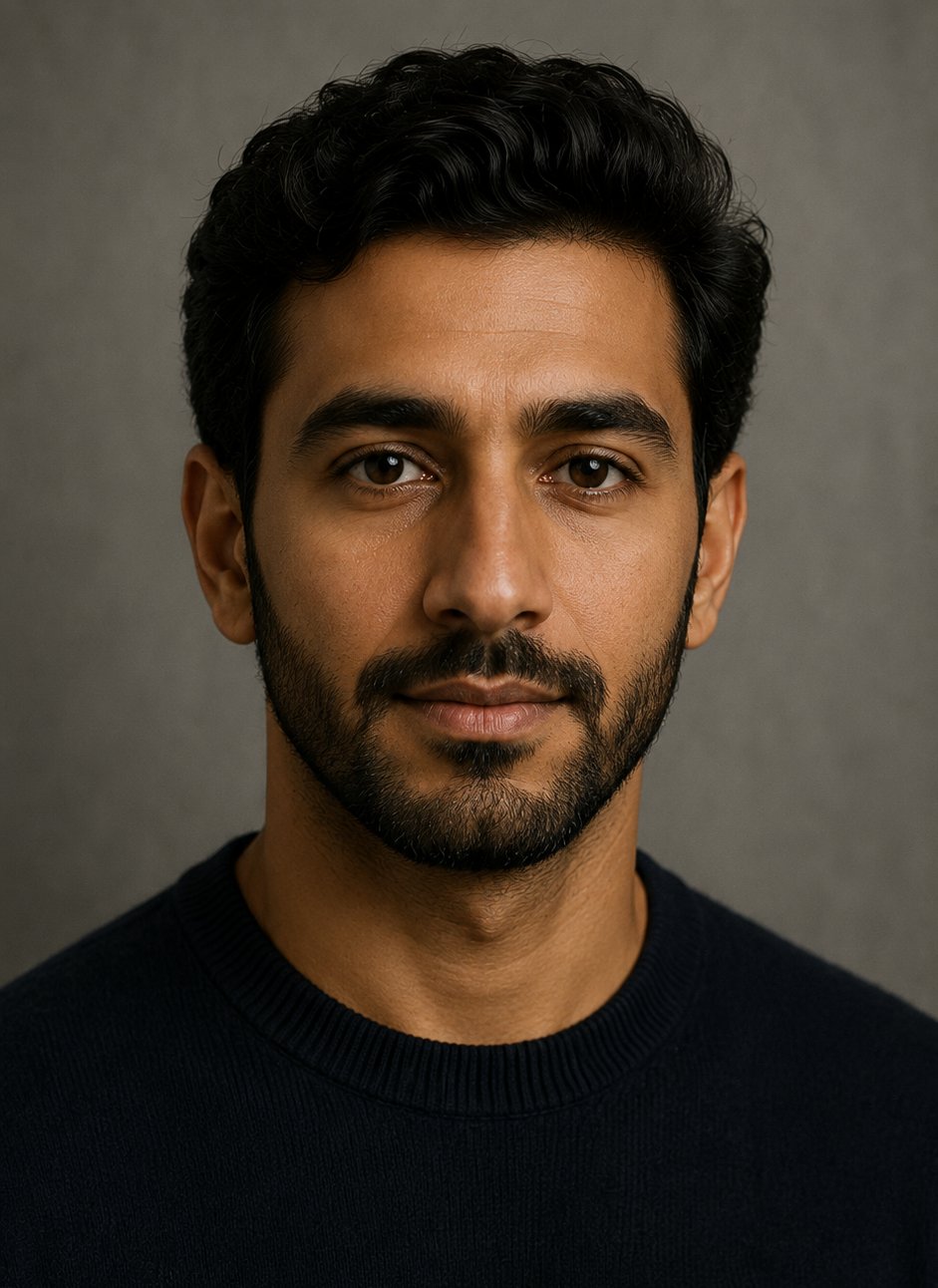
Written by
Khalid Al-Rashidi
Gulf & Middle East Correspondent · Emerging & Strategic Wealth
Khalid covers the family offices, luxury operators, and strategic capital moving across the GCC and wider Arab world — often before the rest of the region notices. He's spent years tracking how Gulf wealth structures itself for the next generation, from residency programmes to private aviation. Based between Dubai and Riyadh. Reach out at khalid.al-rashidi@theplatinumcapital.com.