Saudi Arabia's Philanthropic Families and the Causes They Champion
Saudi Arabia's most influential family dynasties are channelling unprecedented private wealth into education, healthcare and cultural preservation, reshaping the kingdom's social landscape through structured philanthropic vehicles that rival the scale of the world's foremost charitable foundations. From the Alwaleed Philanthropies' global development initiatives to the Sulaiman Al Rajhi Endowment's sweeping contributions to humanitarian relief, these families are defining a distinctly Saudi model of giving that intertwines religious obligation with strategic, impact-driven investment in future generations.…
The Kingdom's Quiet Revolution in Giving
When Prince Alwaleed bin Talal announced in 2015 that he would donate his entire $32 billion fortune to philanthropy, it sent a jolt through Saudi Arabia's wealthiest circles. A decade later, that pledge is materialising in ways that are reshaping not only the kingdom's social fabric but the broader architecture of Middle Eastern giving. In 2026, Saudi philanthropic families are deploying capital with a sophistication and strategic intent that rivals — and in some cases surpasses — their Western counterparts, channelling billions into education, healthcare, climate resilience, and interfaith dialogue.
The numbers speak for themselves. According to the King Khalid Foundation's annual philanthropy index, private charitable disbursements from Saudi family offices and foundations exceeded SAR 18 billion ($4.8 billion) in 2025 — a 23 per cent jump from the prior year. A generational shift is driving much of the growth. Younger principals within established dynasties are professionalising their giving, importing impact measurement frameworks, and aligning philanthropic objectives with Vision 2030's ambitious social targets.
The Alwaleed Philanthropies: Scale Meets Structure
Alwaleed Philanthropies, the vehicle through which Prince Alwaleed bin Talal's Kingdom Holding Company fortune is being systematically distributed, remains the most prominent Saudi philanthropic entity by a wide margin. In early 2026, the foundation announced a fresh $500 million commitment to its Global Education Initiative, partnering with UNESCO and the Mastercard Foundation to build 200 digital learning centres across sub-Saharan Africa and Southeast Asia by 2030. The initiative specifically targets young women in rural communities — a focus area that Princess Lamia bint Majed Al Saud, the foundation's secretary general, has described as "the single highest-return investment in global development."
What sets Alwaleed Philanthropies apart from many Gulf-based charitable organisations is its deliberate ecumenism. The foundation has funded programmes at Harvard, Georgetown, and the University of Edinburgh, and in 2025 expanded its interfaith dialogue programme with a $75 million grant to the King Abdullah bin Abdulaziz International Centre for Interreligious and Intercultural Dialogue (KAICIID), now headquartered in Lisbon. None of this is accidental. It reflects a calculated effort to build soft power bridges at a time when Saudi Arabia's diplomatic ambitions extend well beyond energy markets.
The Olayan Group: Healthcare as a Family Mission
The Olayan family, whose diversified conglomerate spans financial services, manufacturing, and real estate across 40 countries, has made healthcare the centrepiece of its philanthropic identity. The Suliman S. Olayan Foundation, established in honour of the group's late patriarch, committed $200 million in 2025 to a five-year programme focused on rare disease research in partnership with the King Faisal Specialist Hospital and Research Centre in Riyadh.
Lubna Olayan, the group's former chief executive and one of the Arab world's most influential businesswomen, has steered the family's charitable priorities toward precision medicine and genomic research — areas where Saudi Arabia's high rates of consanguineous marriage create both urgent medical need and unique research opportunities. The foundation's genomics programme, launched in collaboration with the Saudi Human Genome Project, has already sequenced over 150,000 Saudi genomes. That makes it one of the most comprehensive population-level genetic databases in the Middle East. Few outside the region have noticed.
In a February 2026 interview with Arab News, Olayan put it bluntly: the family views its healthcare philanthropy as "inseparable from our commercial interests — a healthier population is a more productive economy."
The Dallah Al-Baraka Group and the Revival of Waqf
Perhaps the most culturally resonant development in Saudi philanthropy is the modernisation of waqf — the Islamic endowment tradition that predates modern structured giving by centuries. Sheikh Saleh Kamel, the late founder of the Dallah Al-Baraka Group, was a pioneer in this space. His heirs have picked up the pace considerably.
In 2026, the Kamel family's charitable arm announced a SAR 3 billion ($800 million) waqf endowment dedicated to affordable housing and vocational training, structured in partnership with Saudi Arabia's General Authority for Awqaf. The endowment is designed to generate perpetual returns through a portfolio of income-producing real estate assets, with annual distributions funding the construction of workforce housing in secondary Saudi cities including Tabuk, Abha, and Hail.
The ripple effects extend well beyond one family. The Saudi government has actively encouraged waqf modernisation as part of Vision 2030, and the National Centre for the Third Sector (known as "Namaa") reported that registered waqf assets in the kingdom surpassed SAR 60 billion in 2025. That is a significant shift. The Kamel family's structured approach — blending sharia-compliant financial engineering with measurable social outcomes — is already being studied by family offices across the Gulf Cooperation Council as a replicable template.
A New Generation Redefines Purpose
The emerging cohort of Saudi philanthropists looks and operates nothing like its predecessors. Take the Jameel dynasty, whose Abdul Latif Jameel group runs one of the world's largest Toyota distributorships. They have built sophisticated institutional platforms that blur the line between philanthropy and development finance. Community Jameel, the family's social enterprise arm, deployed over $150 million in 2025 through its Bab Rizq Jameel employment programme, which has now created or facilitated more than one million job placements across the Middle East and North Africa since its inception. A million jobs. Let that sit for a moment.
Meanwhile, the Al Subeaei family, whose ACWA Power is a dominant force in renewable energy infrastructure, has channelled philanthropic capital into climate adaptation programmes for vulnerable communities in the Horn of Africa. Their foundation's $120 million clean water initiative, announced at COP30 in Belém in late 2025, will fund desalination micro-plants in Djibouti, Eritrea, and Somalia — regions where water scarcity is an existential threat.
A thread runs through all of these efforts. Saudi philanthropic capital can serve strategic national interests while addressing genuine human need — and the kingdom's wealthiest families know it. As Saudi Arabia pushes to diversify its economy and its global reputation beyond hydrocarbons, structured, transparent, and ambitious giving has become both a moral imperative and a form of sovereign branding. The real question for the decade ahead: can this momentum hold, and will the institutional frameworks being built today outlast the founders who created them?
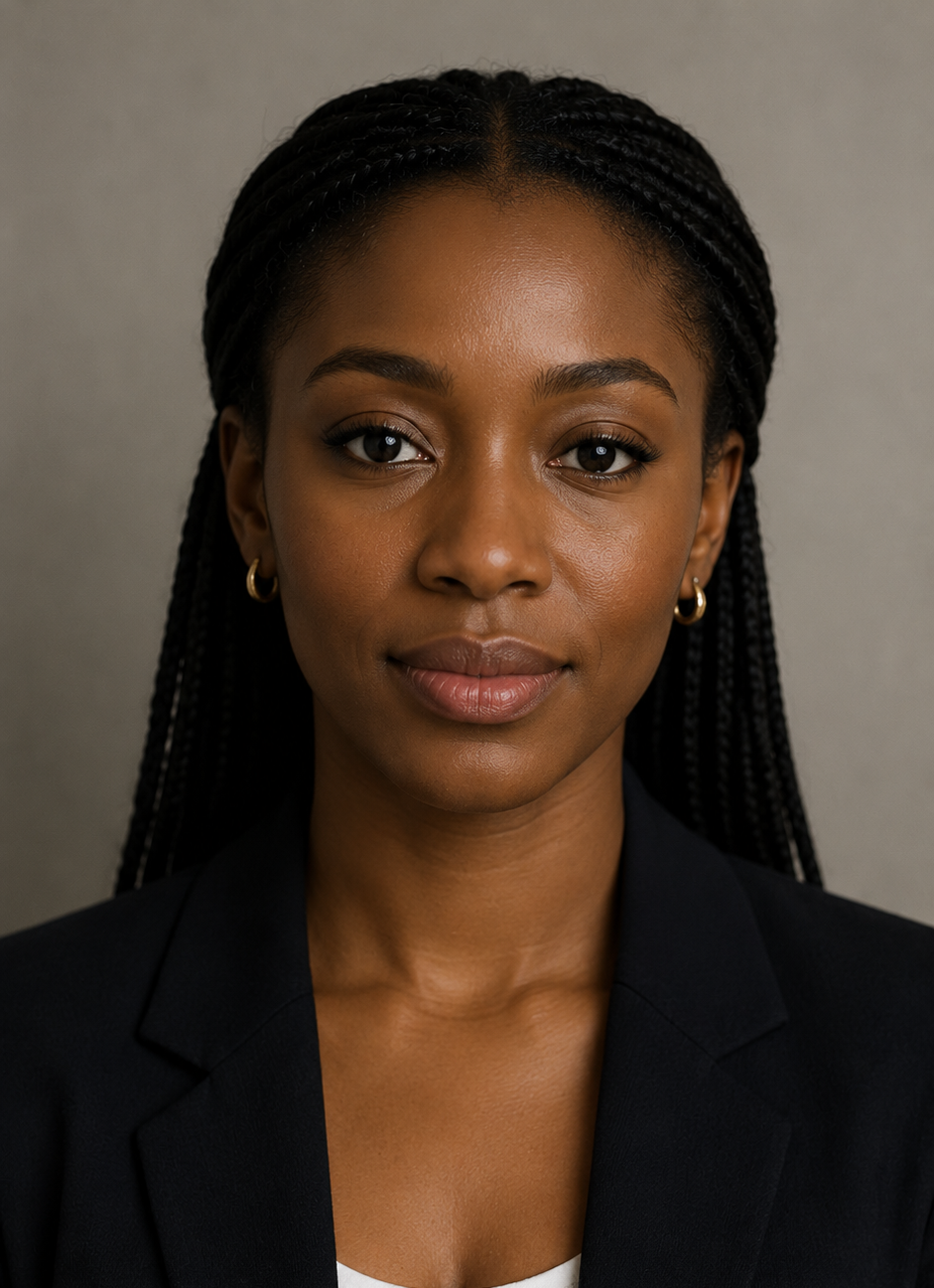
Amara Osei is a senior journalist at The Platinum Capital covering philanthropy, private wealth, and social capital across emerging markets.
Written by
Amara Osei
Africa & Emerging Markets Correspondent · Philanthropy & Next Generation
Amara covers the philanthropists, foundation founders, and next-generation leaders building wealth and influence across Africa, Southeast Asia, and Central Asia. She has a particular eye for the family businesses handing the reins to a generation educated abroad and building at home. Based in Nairobi. Reach out at amara.osei@theplatinumcapital.com.