
Saudi Luxury Retail Beyond the Malls
Saudi Arabia's luxury retail sector is undergoing a structural transformation, as dynamic growth shifts away from the grand shopping complexes that long defined the Kingdom's consumer economy toward intimate concept boutiques, heritage-site retail experiences in districts such as AlUla and Jeddah's Al-Balad, and homegrown digital-first brands that have bypassed traditional distribution entirely. Underpinned by Vision 2030's investment in cultural production and tourism infrastructure, Saudi-born labels in fragrance, fashion, and jewellery are now reaching multi-brand retailers across Europe, Asia, and North America, while a young, digitally native consumer base increasingly prizes cultural credibility over institutional brand authority alone.…

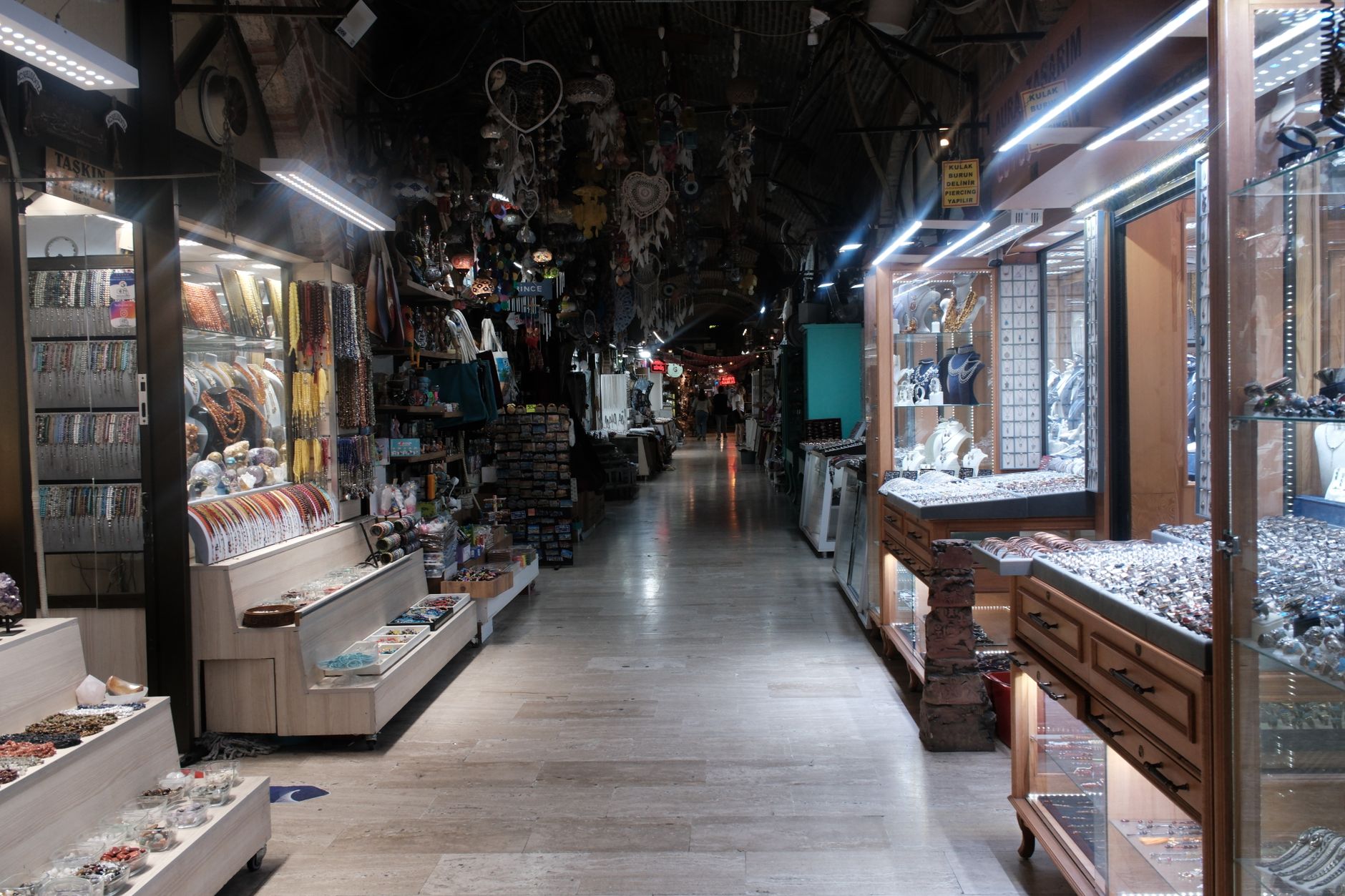
Photo: Raqeeb Ahmed / Pexels
Saudi Arabia's retail story has long been told through its grand shopping complexes — vast air-conditioned cathedrals of commerce that functioned as both social infrastructure and commercial engine during the Kingdom's formative consumer decades. But a quieter, more considered revolution has been unfolding beyond those marble-floored corridors. Across Riyadh's diplomatic quarter, in restored heritage districts from AlUla to Jeddah's Al-Balad, and through a rapidly maturing generation of homegrown digital-first brands, luxury retail in Saudi Arabia is reinventing itself from the ground up. The country's most compelling retail figures are no longer simply curators of imported prestige. They are architects of a distinctly Saudi conception of luxury — one rooted in cultural identity, craftsmanship, and an increasingly sophisticated read of what the Kingdom's consumers actually want.
The Structural Shift in Saudi Retail Ambition
For much of the late twentieth century and into the early 2000s, luxury retail in Saudi Arabia ran as a franchise economy. International houses established concession arrangements or licensed partnerships with local conglomerates, trading on brand recognition built elsewhere and directing relatively little creative or commercial decision-making toward the region itself. That model served a purpose during a period of rapid urbanisation and rising disposable incomes. It also left the Kingdom as a consumer of luxury rather than a shaper of it.
The transformation now underway is structural, not cosmetic. Vision 2030, the Kingdom's broad-based modernisation programme, has redirected investment and regulatory energy toward homegrown cultural production, tourism infrastructure, and entertainment — all of which create adjacent demand for a more textured, locally resonant form of luxury. That is a significant shift, and one that is only beginning to register outside the region.
The malls themselves remain important. Anchors such as Mall of Arabia and Kingdom Centre continue to draw substantial footfall and house the flagship presences of major international houses. But the most dynamic growth is happening in formats those structures cannot easily accommodate: intimate concept boutiques, heritage-site retail experiences, invitation-only showrooms, and direct-to-consumer brands that have bypassed traditional distribution entirely. The logic is partly economic — younger Saudi consumers are demonstrably less impressed by institutional brand authority alone — and partly cultural, reflecting a generation that has grown up with global exposure but chooses to express its identity through references that feel genuinely its own.
Heritage Districts as Commercial Canvases
Few developments better illustrate this reorientation than the commercial programming emerging from Saudi Arabia's restored heritage zones. AlUla, administered by the Royal Commission for AlUla, has attracted cultural programming, hospitality investment, and retail curation that positions the site not merely as a tourist destination but as a stage for ultra-premium, experience-led commerce. The logic is straightforward: a consumer who travels to witness Hegra's Nabataean tombs is a different kind of consumer than one browsing a mall atrium, and the retail proposition has to respond accordingly.
Jeddah's Al-Balad district, a UNESCO World Heritage Site, has undergone significant restoration and commercial reimagining, opening space for independent retailers, artisan studios, and design-led hospitality concepts. The buildings themselves — their distinctive Roshan wooden lattice screens, their layered mercantile history — provide an authenticity that purpose-built retail simply cannot manufacture. Entrepreneurs and curators who have planted themselves within these spaces are finding that provenance and narrative carry genuine commercial weight, particularly with the international visitor segment that Saudi tourism ambitions are designed to attract.
The Rise of Saudi-Born Luxury Brands
Perhaps the most consequential development in the sector is the emergence of homegrown brands that compete credibly on quality, design, and cultural fluency. Saudi fashion, fragrance, and jewellery labels have grown substantially in visibility and commercial reach over recent years, buoyed by a domestic consumer base more willing to champion local creative talent and an international retail infrastructure — including major e-commerce platforms and global concept stores — increasingly receptive to voices from the region.
The fragrance sector offers a particularly instructive example. Gulf oud and bespoke scent traditions have deep roots in the region, but Saudi entrepreneurs have translated that heritage into contemporary fine fragrance lines that now reach multi-brand retailers in Europe, Asia, and North America. Saudi jewellery designers, meanwhile, have drawn on Islamic geometric tradition and local gemstone heritage to produce work that holds recognisable ground in the broader global luxury conversation — without depending on Western aesthetic validation to legitimise it. These are not niche curiosities. They are commercially serious enterprises reshaping how the Kingdom projects creative identity outward.
Digital Commerce and the Redefinition of Luxury Access
Saudi Arabia's digital retail infrastructure has matured fast. The country's young median age and high smartphone penetration have created conditions in which premium and luxury brands can build direct relationships with consumers without requiring physical distribution at scale. Platforms serving the Gulf region have invested heavily in the logistics, payment, and content infrastructure needed to support high-value transactions online, and luxury brands have responded by developing region-specific digital strategies rather than simply routing Gulf traffic through European or American interfaces.
This shift changes how luxury is communicated as much as how it is sold. Social commerce — the integration of editorial content, influencer relationships, and purchase functionality within the same digital environment — is particularly advanced among Saudi consumers. Brands that have learned to operate authentically within that register have found it considerably more productive than conventional advertising. The most sophisticated players in the market understand that for a Saudi consumer born after 1995, luxury signification is built through cultural credibility and community, not heritage advertising alone.
What the Next Chapter Demands
Saudi luxury retail is entering a phase that will test how deep this transformation actually runs. The initial energy of Vision 2030-adjacent opportunity — the opening of entertainment venues, the surge in domestic tourism, the liberalisation of social norms that unlocked new retail categories — has largely been absorbed into baseline commercial expectations. The next wave of growth demands sustained investment in design education, supply chain development, and the kind of patient brand-building that turns promising labels into enduring houses.
The Kingdom has the raw materials: extraordinary cultural heritage, significant sovereign capital, a large and globally connected young population, and a government that has made creative economy development an explicit priority. What separates the most compelling retail figures operating in this environment is the ability to think across time horizons — to serve today's consumer with rigour and elegance while building the institutional foundations that make a Saudi luxury house genuinely competitive in 2040. That combination of commercial acuity and cultural ambition is exactly what the moment requires.

Written by
TPC Editorial Desk
The Platinum Capital editorial desk
Articles on The Platinum Capital are produced by the TPC editorial desk with the assistance of AI tools, and edited before publication. Profiles are based on information provided by the subject and checked against public sources. Reach out at info@theplatinumcapital.com.