

The Business of Falconry: Heritage Meets High Value Trade
Falconry, once the exclusive pursuit of kings and tribal chieftains across the Arabian Peninsula, has evolved into a sophisticated alternative asset class commanding valuations that rival fine art and thoroughbred racing, with prized Saker and Gyrfalcon specimens routinely changing hands for sums exceeding half a million dollars at elite auctions in Riyadh, Abu Dhabi, and Doha. For the discerning family office or sovereign wealth strategist, the convergence of deep cultural capital, restricted supply chains, and an ultra-high-net-worth buyer base creates a market dynamic that rewards both heritage stewardship and calculated long-term positioning.…
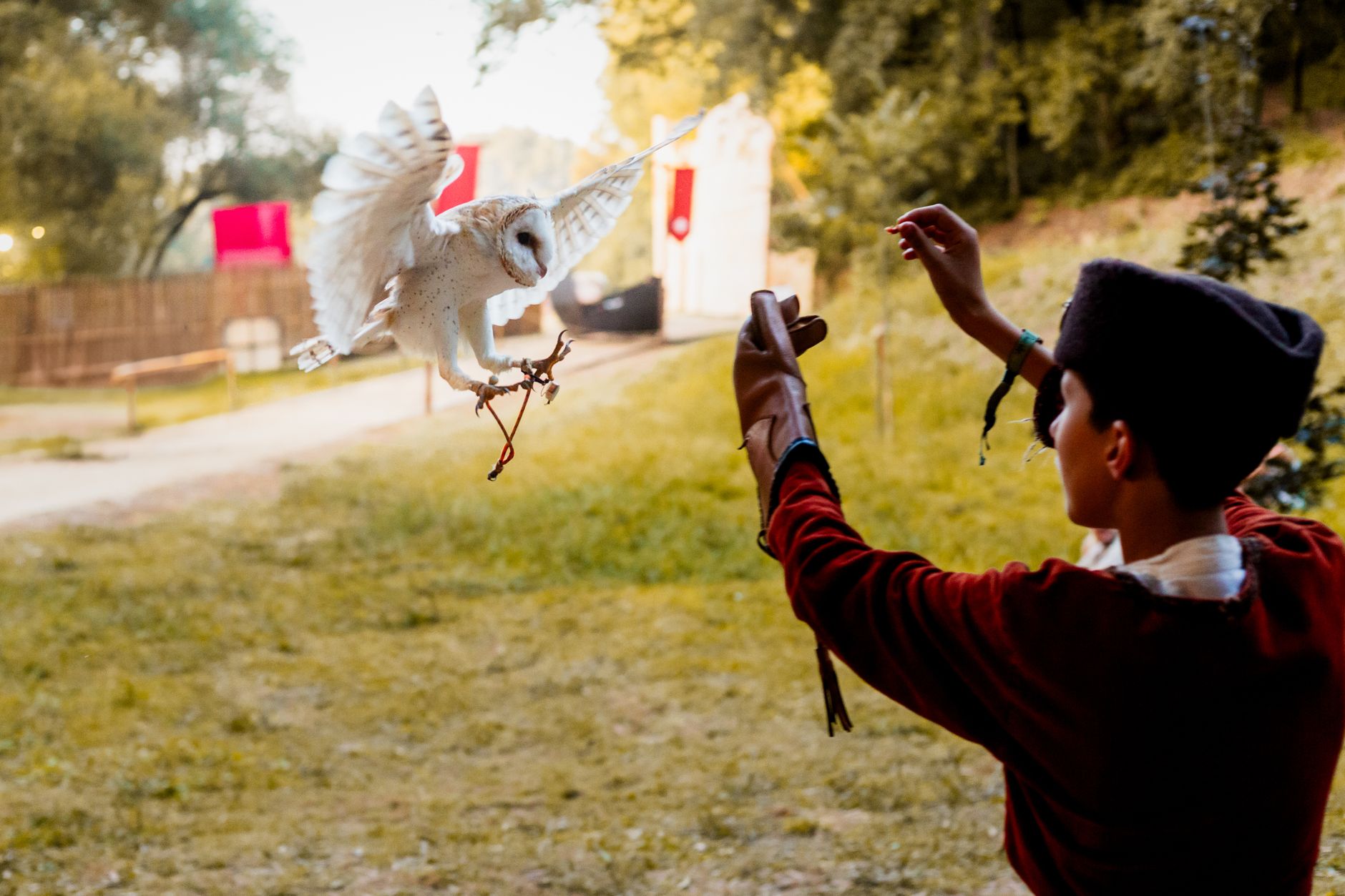
In the royal courts of the Gulf, few pursuits command the reverence, expenditure, and cultural gravity of falconry. What looks to outsiders like an ancient sport preserved in amber is, in reality, one of the region's most dynamic — and quietly lucrative — luxury markets. From bespoke breeding programmes in Abu Dhabi to championship auction circuits in Riyadh, falconry today sits at the intersection of heritage, identity, and serious capital. For the GCC's wealthiest families, this is not a hobby. It is a statement of lineage — and, increasingly, an asset class.
A Market with Real Numbers Behind It
The global falconry market generates an estimated USD 400 million to USD 600 million annually, once you account for bird acquisition, training, veterinary care, equipment, travel logistics, and specialised real estate. Within the GCC alone — where falconry earned UNESCO Intangible Cultural Heritage recognition in 2016 — Saudi Arabia, the UAE, Qatar, and Kuwait collectively dominate that value. Individual birds, particularly the Gyrfalcon and Shaheen Peregrine, routinely change hands at USD 250,000 to USD 500,000 in private sales. White Gyrfalcons with rare colouration and proven competition pedigrees have crossed USD 1 million. These transactions are not speculative. They are driven by cultural prestige and an unrelenting pursuit of championship performance.
The Fazza Championship for Falconry in Dubai and the Milwah Falconry Festival in Abu Dhabi draw thousands of participants from across the Arab world each season, with prize structures that rival many international sporting competitions. The ADIHEX exhibition — held annually under Abu Dhabi's leadership patronage — has become the premier global forum where luxury falconry equipment, pedigree birds, and specialist services meet an audience of royals, tribal leaders, and high-net-worth collectors spanning MENA and beyond.
The Premium Ecosystem Around the Bird
The falcon itself is only the entry point. The ecosystem built around serious falconry practice is expansive, bespoke, and extraordinarily expensive. Birds travelling with GCC owners require dedicated handlers, customised aviation-approved travel crates, and — critically — private aircraft access. That last point connects directly to broader infrastructure moves in the region. The expansion of ultra-long-range fleet capacity by operators such as DC Aviation Al-Futtaim at Al Maktoum International, announced in June 2026, serves exactly this clientele. The same UAE-based families maintaining collections of ten to thirty birds are typically the same principals who need seamless intercontinental reach — Dubai to Kazakhstan for summer hunting excursions, or Morocco for private desert estates where falconry runs on seasonal grounds. Specialist handlers often travel ahead on separate aircraft. Across a single hunting season, logistics alone can exceed USD 2 million per family.
Veterinary care has become its own premium vertical. The Falcon Hospital in Abu Dhabi — the largest in the world — treats roughly 11,000 birds per year and functions as a destination in its own right, drawing medical visits from Qatari, Saudi, and Kuwaiti owners who fly their birds specifically to access Abu Dhabi's clinical depth. Bespoke genetic testing, dietary regimens from specialist avian nutritionists, and post-season rehabilitation programmes are now standard practice for serious collections. Running a top-tier collection of twenty birds year-round — housing, veterinary care, training, travel — comfortably exceeds USD 3 million annually. That is before you factor in the competition circuit.
Heritage as Hard Asset: The Breeding and Trade Circuit
A quieter conversation is gaining momentum inside GCC family offices — one about falconry birds as appreciating assets. Selective breeding programmes, many operating privately across the UAE and Saudi Arabia, now produce birds with documented, certified, and transferable bloodlines. The parallels to thoroughbred horse pedigrees are not accidental. The Saudi Falcons Club, operating under government patronage, has formalised breeding certification in ways that attach measurable provenance value to championship-lineage birds. A falcon that wins a major Milwah or Fazza circuit title does not depreciate. Its offspring commands a multiple of standard market price. That is a significant shift in how these assets are being perceived.
Family office advisors who previously focused exclusively on equestrian assets are paying attention. Kazakhstan and Uzbekistan — both countries with deep independent traditions of falconry and eagle hunting — are emerging as secondary sourcing markets for GCC buyers seeking Central Asian Saker Falcons, prized for their speed and endurance. Cross-border trade between Gulf principals and Central Asian breeders has matured to the point where specialist brokers now operate full-time in both Almaty and Dubai, managing CITES permitting, veterinary certification, and private transfer logistics. This is not informal commerce. It is an established trade circuit with professional infrastructure.
The Equipment and Fashion of Falconry
The material culture surrounding falconry generates substantial luxury commerce in its own right. The Burqa — the falcon hood — is crafted by specialist artisans in the UAE and Qatar, with handmade versions using gold thread, hand-tooled leather, and precious stone embellishments retailing between USD 500 and USD 5,000. The Mangalah glove, Telwar perch, and Saker bag have each attracted European luxury house interest, with several discreet collaborations underway between Gulf artisans and heritage leather brands exploring co-branded falconry collections. These are not mass-market products. They are produced in limited quantities for a clientele that has already exhausted what general luxury retail can offer.
Saudi Arabia's Vision 2030 tourism agenda has added commercial momentum. Curated falconry experiences are being designed as premium offerings at desert retreats and private estates, targeting the inbound ultra-high-net-worth travel segment that Riyadh is aggressively pursuing. As Sindalah Island and broader NEOM infrastructure approaches its late 2026 target opening — despite well-documented cost overruns that have pushed the project to an estimated USD 4 billion investment — planners are actively examining whether falconry experiences can sit alongside superyacht culture as a differentiating element of Saudi luxury hospitality. Few outside the planning rooms have noticed this particular thread. They should.
Legacy Capital in Motion
For family offices across the Gulf, Central Asia, and North Africa, falconry offers something most asset classes cannot — the convergence of identity, cultural authority, and genuine financial substance. A patriarch who maintains an exceptional falcon collection signals something specific to peers, to government, and to the next generation. It communicates a continuity of values that wealth alone cannot purchase. Short of that, no balance sheet entry captures it.
As GCC family offices think with growing seriousness across generational timelines, the formalisation of falconry assets — through certified breeding records, insured collections, and professionally managed programmes — becomes a logical extension of the sophistication already applied to equestrian and art holdings. The bird that wins the Fazza Championship is not merely a champion. It is a legacy instrument. And the market around it is only becoming more structured.
Written by
Khalid Al-Rashidi
Gulf & Middle East Correspondent · Emerging & Strategic Wealth
Khalid covers the family offices, luxury operators, and strategic capital moving across the GCC and wider Arab world — often before the rest of the region notices. He's spent years tracking how Gulf wealth structures itself for the next generation, from residency programmes to private aviation. Based between Dubai and Riyadh. Reach out at khalid.al-rashidi@theplatinumcapital.com.