

The Next Generation of Gulf Family Office Leaders
As the Gulf region's ultra-high-net-worth dynasties prepare to transfer an estimated $1 trillion in assets over the next decade, a new cohort of sophisticated, globally educated heirs is reshaping the architecture of family office governance with unprecedented strategic ambition. These next-generation leaders are moving decisively beyond the traditional preservationist mandates of their predecessors, deploying capital across alternative assets, impact investments, and technology ventures while simultaneously professionalizing institutional structures to meet the demands of an increasingly complex global wealth landscape.…

Across the Gulf, a quiet but consequential shift is underway. The sons and daughters of the region's most storied business dynasties are no longer waiting in the wings — they are restructuring boards, redirecting capital, and redefining what it means to steward multigenerational wealth in the twenty-first century. The 2026 Forbes Middle East Top 100 Arab Family Businesses ranking offers the clearest snapshot yet of this transition: Abdul Latif Jameel at the top, Al-Futtaim in second place, the Mansour Group holding third. Each is a case study in how legacy enterprises are being reprogrammed, not merely inherited, by a generation with global educations, institutional instincts, and an appetite for structured growth.
From Inheritance to Architecture
The defining characteristic of Gulf next-generation leaders in 2026 is not ambition — that was always present — but architecture. Their parents built conglomerates through relationships and timing. This cohort builds systems. Omar Abdullah Al Futtaim, Vice Chairman and CEO of the Al-Futtaim Group, exemplifies the shift. Under his watch, Al-Futtaim has accelerated the formalisation of its governance structures, brought in independent board oversight, and professionalised its investment committees in ways that reflect institutional best practice rather than patriarchal tradition. The group's USD 6 billion-plus revenue base now operates with a clarity of mandate that any major family office in Singapore or Zurich would recognise immediately.
Mohammed Abdul Latif Jameel, who chairs the group bearing his family's name, has taken a complementary path — aggressively internationalising the portfolio, investing in renewable energy through AJRE, the group's energy subsidiary, and deepening commitments to AI and mobility. These are not vanity pivots. They represent a deliberate repositioning of a Saudi conglomerate toward the sectors that will define the next twenty years of economic growth, regionally and beyond.
Qatar's New Guard and the Governance Premium
Qatar's presence in the 2026 rankings signals something worth paying attention to. Power International Holding, chaired by Moutaz Al-Khayyat and led operationally by Ramez Al-Khayyat as President and Group CEO, ranked seventh overall — the highest-placed Qatari entry. PIH's breadth is striking: energy, mining, construction, healthcare, banking, telecommunications, real estate, and food industries all sit under one roof. What makes this particularly relevant for family office principals is the speed at which PIH's second-generation leadership has moved to install formal corporate governance, independent boards, and a strategic investment planning function that runs with the discipline of a private equity firm. That is not a small thing in a market where governance has historically been treated as a compliance footnote.
Sheikh Faisal bin Qassim Al-Thani, founder and chairman of Al Faisal Holding, carries a Forbes Middle East-estimated net worth of USD 1.7 billion as of May 2026. But the more instructive figure is the pace at which his group's younger entrepreneurial entities are outgrowing the legacy holding structures. As one analyst tracking Gulf family enterprises told Gulf Times earlier this year: "Younger entrepreneurial family groups are now growing faster than older legacy holding entities, which are more mature and asset-heavy." That compression of generational timelines is reshaping how family offices across the GCC think about succession — not as a ten-year horizon but as something demanding structural attention right now.
Kuwait's Quiet Sophistication
Kuwait rarely gets the headline treatment afforded to Saudi Arabia or the UAE. It should. The country continues to produce some of the Gulf's most sophisticated family enterprises, and the gap between perception and reality is widening. Alghanim Industries, ranked fifteenth in the Arab world, has long set the benchmark for professional management within a family-owned structure — a model that younger GCC leaders now study with genuine intent, not merely admiration. The Al-Mudhaf Group's expansion activity in 2026 reflects a similar philosophy: targeted diversification anchored by disciplined capital allocation, not opportunistic acquisition.
What Kuwait's leading families grasped earlier than most is that the family office and the operating company must eventually become distinct entities with distinct mandates. The family office manages wealth, hedges risk, plans across generations. The operating business takes calculated risk and drives returns. Conflating the two — as many first-generation founders did by necessity — becomes increasingly untenable as balance sheets expand and beneficiary pools widen. Kuwait's next generation is drawing that line with greater precision than their predecessors did, and they are doing it before a crisis forces their hand.
The Institutional Turn: What Next-Gen Leaders Are Actually Building
The GCC accounts for 86 of the top 100 Arab family businesses — 32 from Saudi Arabia, 31 from the UAE, 10 from Qatar. Across all three markets, the structural shifts share common features. Public listings of subsidiaries are accelerating, driven partly by Vision 2030 and the UAE's IPO pipeline, but also by next-generation leaders who understand that a listed subsidiary creates price discovery, instils financial discipline, and provides a liquidity mechanism that protects family cohesion over time. International market entry — particularly into Southeast Asia and select African markets — is being treated not as a hedge but as a primary growth thesis. The numbers tell a complicated story, but the direction of travel is clear.
Family offices themselves are being rebuilt from the inside out. Where the previous generation often ran the family office as an administrative function — handling real estate, managing liquid reserves, processing dividends — the current cohort is reconfiguring these structures as genuine investment vehicles. Co-investment platforms, direct private equity mandates, venture allocations into climate technology and digital infrastructure, formal limited partner commitments to global funds: these are now standard components of a serious Gulf family office in 2026. Several prominent UAE and Saudi family offices have quietly established presences in Abu Dhabi Global Market and the DIFC to access international structures and counterparties. Few outside the region have fully registered this. They should.
The Decade Ahead: Succession as Strategy
For private investors, family office principals, and wealth advisors operating in or around Gulf markets, the signal from 2026's rankings and corporate activity is consistent: succession in the region's leading families is no longer a biographical event. It is a strategic programme. The families that consolidate influence over the next decade will be those that treated generational transition as a design problem, not a personal matter.
The most consequential next-generation leaders in the Gulf share a specific profile. Internationally educated but regionally anchored. Comfortable with institutional frameworks but protective of family identity. Acutely aware that their credibility within the family depends as much on what they build as on who they are. For those seeking to engage, partner with, or invest alongside Gulf family enterprises, understanding this generational dynamic is no longer useful context. It is the primary lens through which opportunity in the region must now be read.
Written by
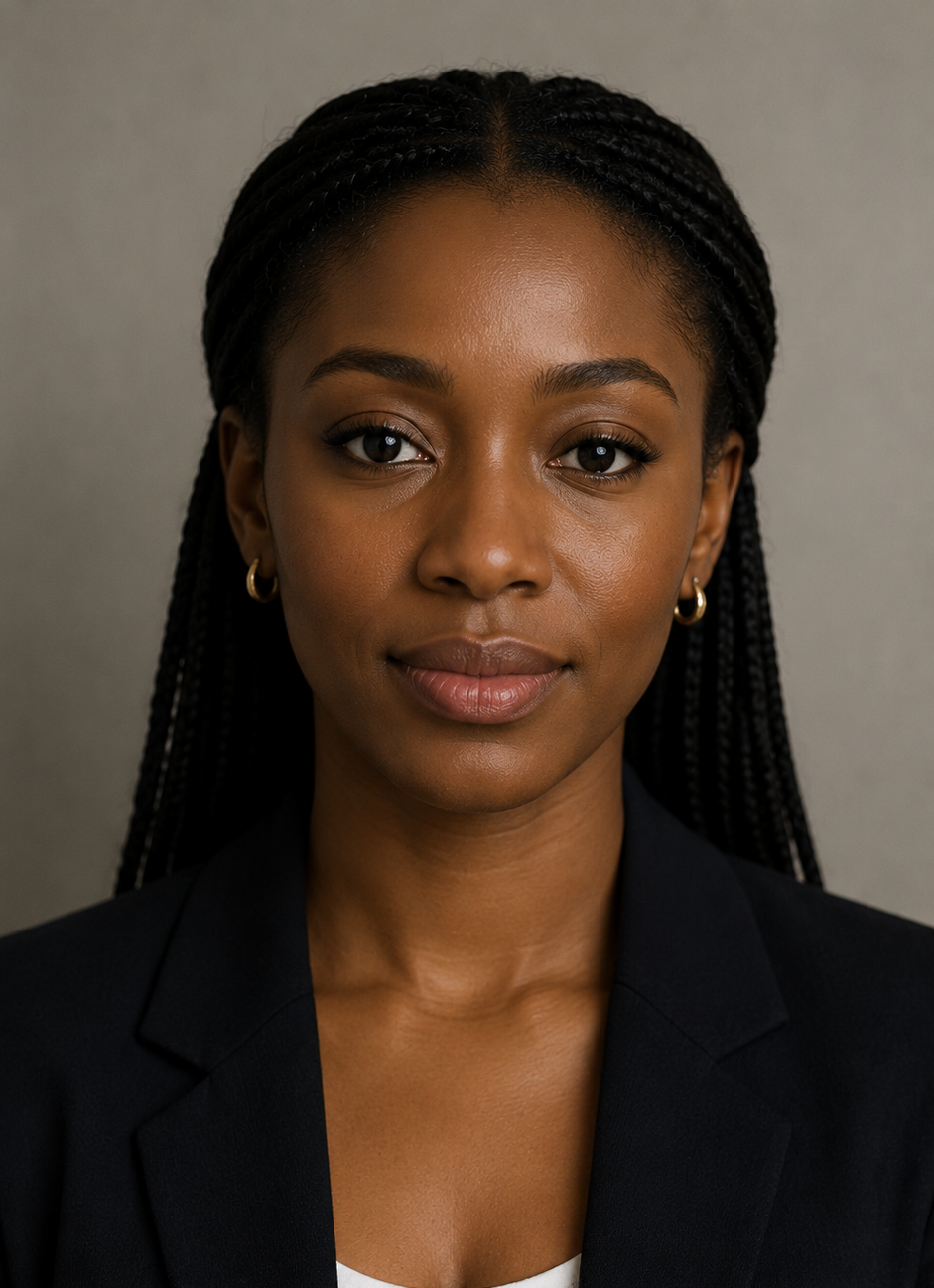
Amara Osei
Africa & Emerging Markets Correspondent · Philanthropy & Next Generation
Amara covers the philanthropists, foundation founders, and next-generation leaders building wealth and influence across Africa, Southeast Asia, and Central Asia. She has a particular eye for the family businesses handing the reins to a generation educated abroad and building at home. Based in Nairobi. Reach out at amara.osei@theplatinumcapital.com.