Rare Earth Elements and the Geopolitics of the Green Economy
As the global race to decarbonize accelerates, control over rare earth elements has emerged as perhaps the most consequential strategic battleground of the twenty-first century, reshaping alliances, redrawing supply chains, and quietly determining which nations will hold genuine leverage in the energy transition. For sophisticated investors and policymakers navigating this landscape, understanding the concentrated geography of rare earth production is no longer a matter of academic interest but an urgent fiduciary and geopolitical imperative.…

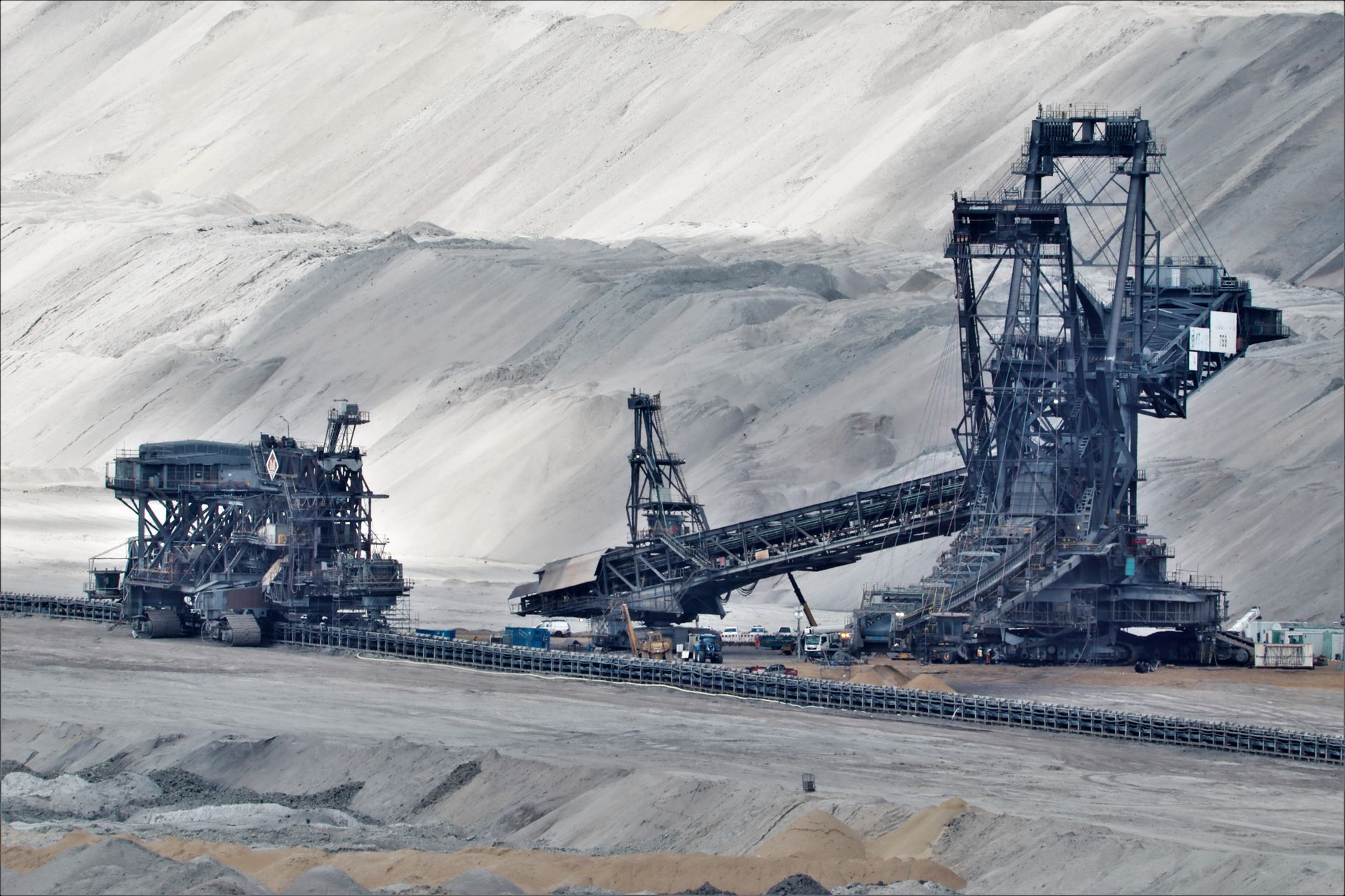
Brent crude climbed 2.8% to $85.87 on Monday as the Strait of Hormuz standoff dragged into its third month with no resolution in sight. The oil market grabbed the headlines, as it always does. But the more consequential scramble is happening elsewhere — quieter, less visible, and far less crowded. Rare earth elements, the seventeen metallic substances that power everything from electric vehicle motors to wind turbine generators to missile guidance systems, have become the defining strategic commodity of this decade. Nations that once measured geopolitical leverage in barrels per day now measure it in tonnes of neodymium, dysprosium, and lithium carbonate equivalent. For private investors, family offices, and sovereign wealth managers operating across the Gulf, Central Asia, and Africa, this is one of the most significant — and least picked-over — investment theses of the 2020s.
The Green Economy's Hidden Supply Chain Problem
Start with the hardware. A single offshore wind turbine requires approximately 600 kilograms of rare earth permanent magnets, according to the International Energy Agency. A battery-electric vehicle contains roughly 85 kilograms of critical minerals — lithium, cobalt, manganese, nickel. Now scale that against the IEA's own projection that global EV sales will hit 45 million units annually by 2030. The arithmetic gets uncomfortable fast. The world does not currently have the mining, processing, or refining infrastructure to meet that demand. The supply gap for rare earth oxides alone is projected to exceed 40,000 tonnes annually by 2028, per analysis from Benchmark Mineral Intelligence.
Then layer on the concentration problem. China controls approximately 60% of global rare earth mining output. More critically, it controls over 85% of global processing and refining capacity. That distinction matters. The processing bottleneck — not the mining — is the actual chokepoint. Whoever builds mid-stream processing capability outside China's orbit commands disproportionate pricing power for decades to come. This is not a speculative thesis being floated by junior analysts. It is active industrial policy in Canberra, Washington, Brussels, and increasingly Riyadh.
The Gulf's Strategic Repositioning
The Hormuz crisis has sharpened a realisation that was already forming across GCC capitals: hydrocarbon dependency has a ceiling, and the move into critical minerals is not an environmental gesture — it is a sovereignty play. Saudi Arabia's Vision 2030 industrial arm, Ma'aden, has quietly expanded its critical minerals mandate well beyond its traditional phosphate and gold operations. In the first half of 2026, Ma'aden entered preliminary framework discussions with Lynas Rare Earths — the only scaled rare earth processor operating entirely outside China — around potential offtake and downstream processing collaboration inside the Kingdom. That is a significant move.
The UAE has acted with its characteristic speed. Abu Dhabi's state investment vehicles have taken minority positions in rare earth and lithium projects across Zambia and the Democratic Republic of Congo. Through a 2025 partnership with Kazakhstan's Kazatomprom, they have extended that reach into uranium and associated critical mineral streams across Central Asia. The logic is clean: the UAE does not need to own the ground. It needs to control the financing, the processing, and the export logistics. That is exactly the model Abu Dhabi has already applied to agricultural supply chains through ADNOC's food security investments. The playbook exists. They are running it again.
Central Asia's Emerging Leverage
Kazakhstan warrants serious attention from investors who have historically seen the country only through the lens of Kashagan and Tengiz. Look past the oil fields. Samruk-Kazyna, the Kazakh sovereign wealth vehicle, has been methodically cataloguing rare earth deposits across the country's eastern and central regions. Preliminary geological surveys indicate commercially viable concentrations of cerium, lanthanum, and praseodymium — elements critical to phosphors, catalysts, and EV motor magnets respectively. Few outside the region have noticed. They should.
Uzbekistan is moving too. South Korean conglomerate POSCO and Germany's Thyssenkrupp have both turned their attention to the country's lithium brine potential in the Ustyurt Plateau. President Shavkat Mirziyoyev's government has made critical minerals licensing a centrepiece of its foreign direct investment pitch, offering 25-year exploitation licences with stabilised tax regimes. Those terms compete with anything available in more established mining jurisdictions. For family offices running patient capital with genuine appetite for frontier jurisdiction risk, Uzbekistan deserves serious due diligence — not a footnote.
Africa's Moment — and Its Complications
Africa holds an estimated 30% of the world's critical mineral reserves by value. It captures less than 5% of the global value added in critical mineral supply chains. That gap is both the central tension and the central opportunity of the continent's rare earth story. Morocco, already the world's largest phosphate exporter through OCP Group, is investing heavily in downstream fertiliser and battery-grade phosphoric acid processing. It is a logical adjacency — one that positions the Kingdom as an indispensable supplier to European battery manufacturers actively seeking non-Chinese sources. OCP's capital expenditure programme for 2025 to 2028 exceeds $13 billion, making it one of the largest industrial investment programmes on the African continent.
In West Africa, Nigeria's federal government has begun issuing lithium exploration licences in Nasarawa and Kwara states, following confirmation of hard-rock lithium pegmatite deposits. The challenge — consistent across sub-Saharan Africa — is familiar. Raw material extraction without processing infrastructure simply replicates the colonial commodity trap. The investors who generate superior returns here will be those financing beneficiation and processing assets inside the continent. Not those acquiring exploration-stage mining rights and waiting.
What Sophisticated Investors Should Be Watching
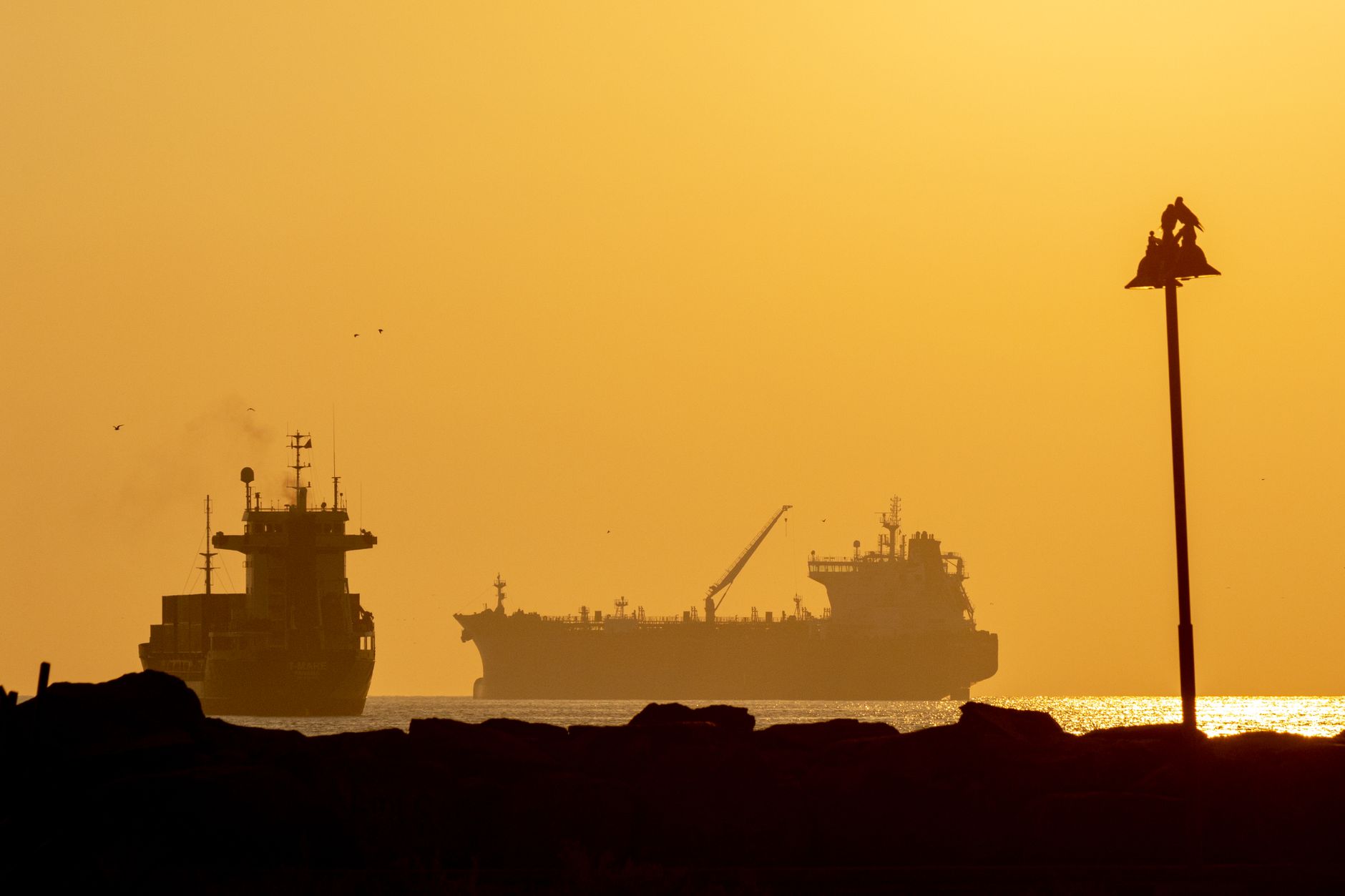
The energy disruption playing out around Hormuz and Bab el Mandeb is a sharp reminder that physical geography still governs commodity flows. Rare earth supply chains carry the same vulnerability — different chokepoints, identical exposure to political friction. The sharpest capital currently deploying into this space is not chasing junior mining stocks. It is financing processing infrastructure, offtake-backed project debt, and royalty structures that generate returns regardless of which mining company ultimately pulls the ore from the ground. The numbers tell a complicated story, but the structural direction does not.
For Gulf family offices and sovereign vehicles holding long-duration capital, the rare earth thesis maps directly onto existing competencies: project financing, logistics infrastructure, bilateral government relationships across Africa and Central Asia. The window for establishing first-mover processing positions outside China remains open — but it is not standing still. American, Japanese, South Korean, and European industrial capital is moving decisively into this space. The question for private wealth operating out of Dubai, Riyadh, or Almaty is not whether rare earths matter. It is whether they move early enough to help shape the architecture of what comes next — or arrive in time only to pay someone else's entry price.
Written by
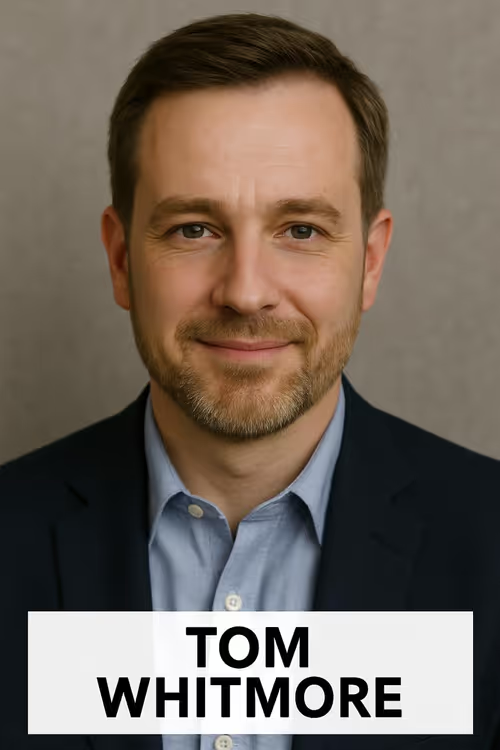
Tom Whitmore
Senior correspondent · Real Estate & Private Companies
Tom has interviewed most of the operators reshaping the Gulf skyline — and a few of the ones who tried and didn't. His beat is real estate, commodities, manufacturing, and the founder-led private companies that never bother to list. He knows which buildings and balance sheets survive a downturn before the spreadsheet does. Based in Dubai. Reach out at tom.whitmore@theplatinumcapital.com.