Gulf Aluminium and Steel: The Industrial Champions Scaling Up
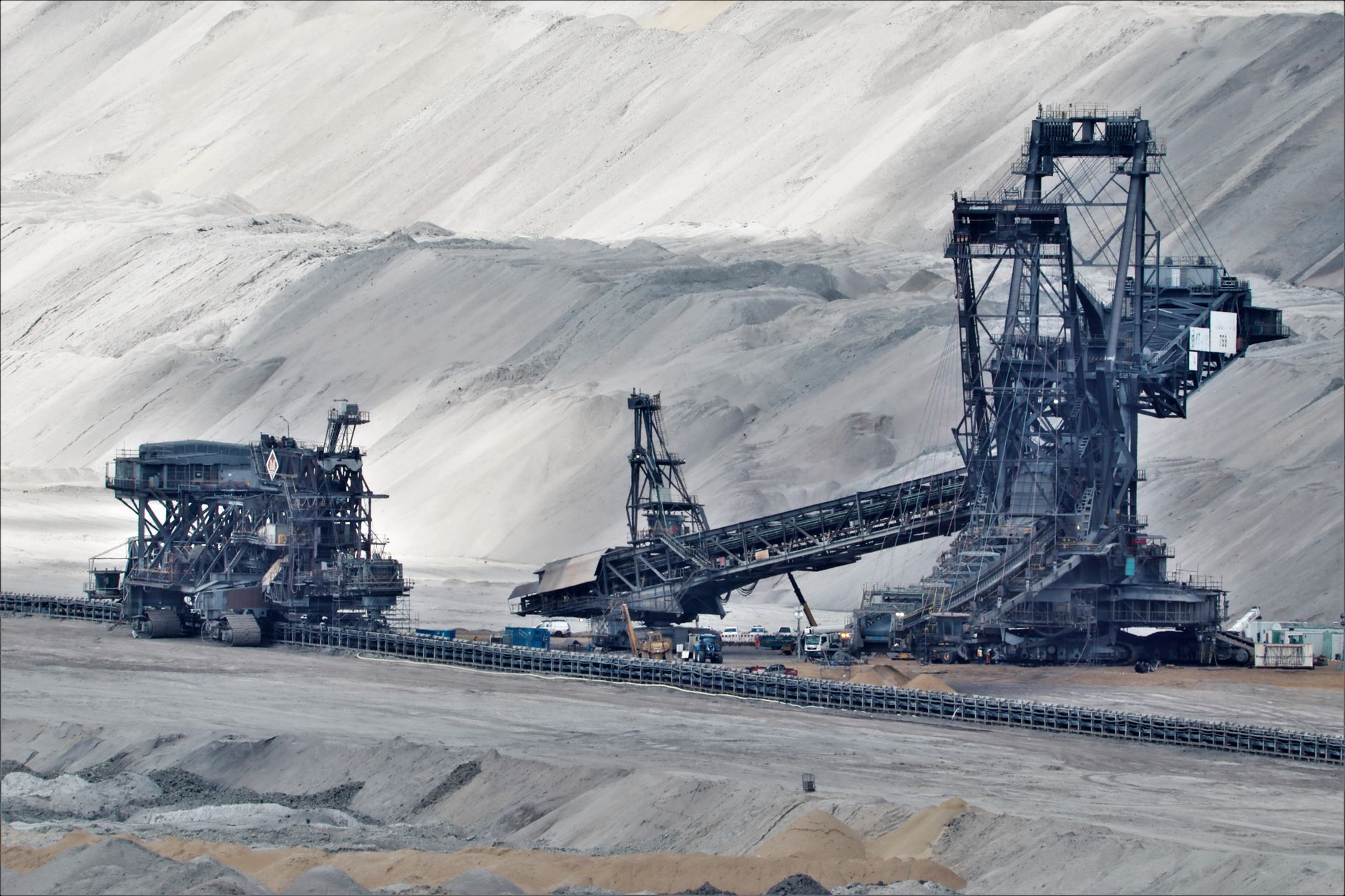
As Gulf aluminium and steel producers accelerate billion-dollar capacity expansions backed by sovereign wealth and strategic industrial policy, the region is rapidly repositioning itself from raw material exporter to fully integrated metals powerhouse capable of competing with established global giants. For discerning investors and policymakers, the convergence of low-cost energy advantages, deepening downstream manufacturing ecosystems, and ambitious national diversification agendas makes the Gulf metals sector one of the most consequential capital allocation opportunities of this decade.…
When Brent crude spiked to $105 per barrel on July 23, 2026 — driven by renewed tanker attacks in the Strait of Hormuz — commodity analysts did what they always do: they fixated on oil. Understandable. But beneath the headline chaos, something quieter and arguably more consequential was accelerating. Gulf aluminium and steel producers were not simply absorbing one of the most disruptive periods in modern energy history. Several were turning it into a structural advantage, using low-cost energy inputs, government-backed capital, and proximity to rerouted trade flows to cement their position as the world's next serious industrial force.
Energy Costs as a Competitive Moat
The foundational logic of Gulf metals production has always been about energy economics. Aluminium smelting is extraordinarily power-intensive — one tonne of primary aluminium requires approximately 14 to 16 megawatt-hours of electricity. European and Asian producers have watched their electricity costs surge 40 to 60 percent since 2022. Gulf producers, operating under subsidised or cost-linked energy arrangements, carry a structural margin advantage that their competitors simply cannot replicate. That gap is not narrowing. It is widening.
Emirates Global Aluminium — the Abu Dhabi-based producer jointly owned by Mubadala Investment Company and the Investment Corporation of Dubai — remains the world's largest aluminium producer outside China, with annual output exceeding 2.7 million tonnes. Backed by domestic gas-linked power at scale, EGA's cost per tonne sits roughly 18 to 22 percent below the global median, according to industry analysts. In a rising energy price environment, that is not a modest edge. It is a decisive one.
In Saudi Arabia, the sector is anchored by Alba — Aluminium Bahrain — and Ma'aden's aluminium complex at Ras Al Khair, one of the largest integrated aluminium facilities anywhere in the world. Ma'aden reported revenues of approximately SAR 42 billion in 2025 and has been expanding its downstream processing capacity as part of Vision 2030's industrial diversification push. The arithmetic is simple: when global energy prices are elevated, producers at the lower end of the cost curve do not just survive. They take market share.
Steel: From Regional Supplier to Global Contender
Gulf steel is undergoing a shift of similar consequence. For years, producers such as Emirates Steel Arkan in the UAE and the Saudi Iron and Steel Company — Hadeed, a SABIC subsidiary — focused primarily on satisfying domestic construction demand. The infrastructure boom tied to Vision 2030, the UAE's urban expansion, and Qatar's post-World Cup industrial pivot kept order books comfortably full. But the more telling development is what is happening on the export side.
Emirates Steel Arkan, formed through the 2022 merger of Emirates Steel and Arkan Building Materials Company, has been steadily building an export footprint across East Africa, South Asia, and select European markets looking to cut dependence on Russian and Ukrainian long steel products. Current production capacity stands at approximately 3.5 million tonnes per annum. Management has indicated plans to scale toward 5 million tonnes by 2028. That is a significant shift.
For family offices and private investors with exposure to construction materials or infrastructure funds in markets such as Kenya, Ethiopia, or the Philippines — all high-growth construction environments — the ability to source competitively priced Gulf steel is not a footnote. It is a material factor in project economics.
Hormuz Disruption: Threat and Opportunity in the Same Moment
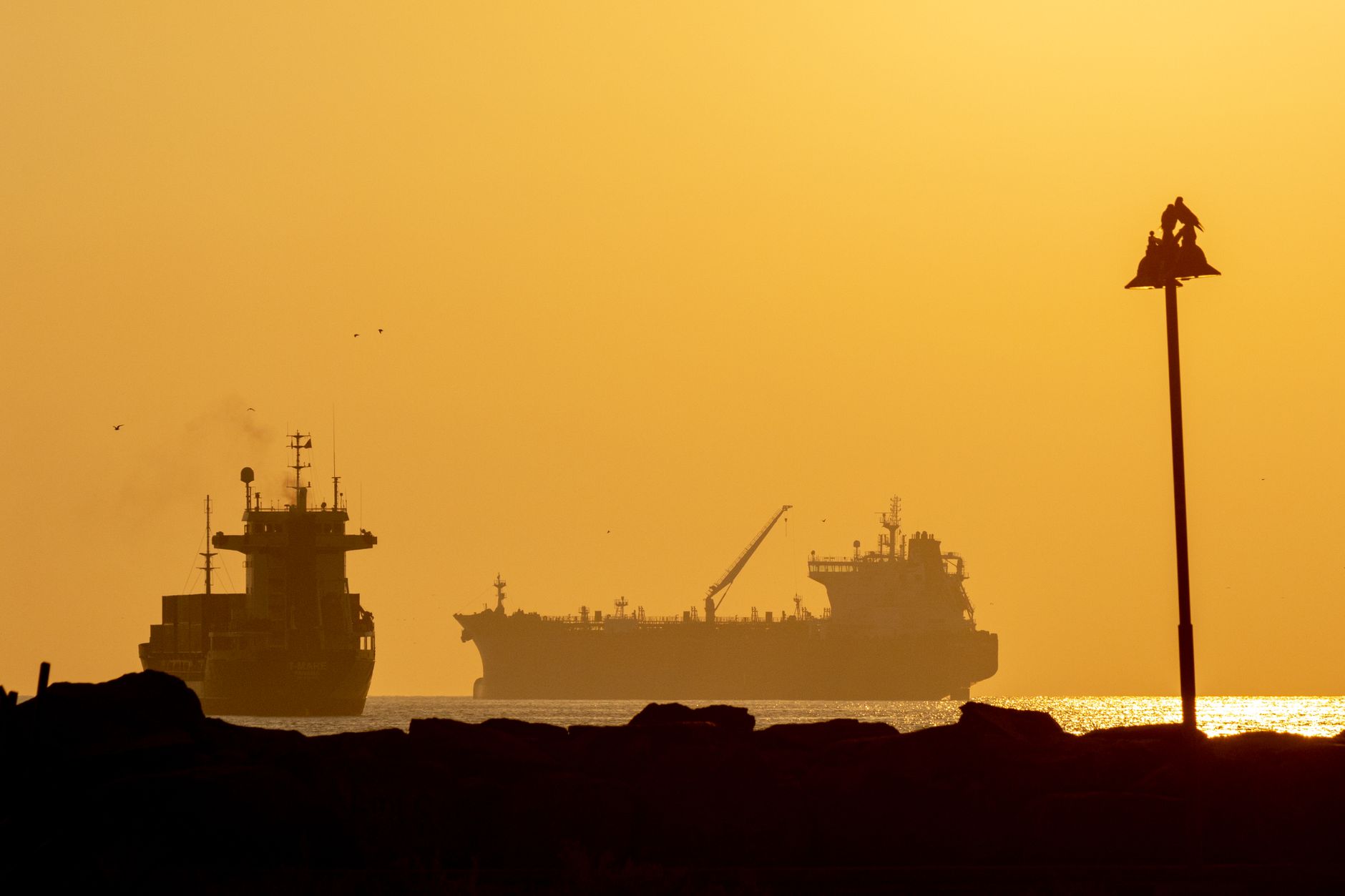
The Hormuz crisis of 2026 has handed Gulf industrial producers a genuine paradox. Disruption to shipping lanes — the IEA reported that 8.3 million barrels per day of Gulf output remained shut in as of its August 2026 report — has complicated export logistics and pushed freight insurance premiums sharply higher. ADNOC tankers were among those targeted in August, prompting the UAE to formally accuse Iran of what it termed "piracy" in international waters. That is not background noise. That is a sovereign confrontation with direct industrial consequences.
And yet the crisis has simultaneously accelerated conversations that Gulf governments had already been advancing for years: the strategic case for overland and alternative maritime trade corridors. The UAE's investment in the Etihad Rail network — connecting Abu Dhabi, Dubai, and Fujairah's deep-water port on the Gulf of Oman — has been recast almost overnight, from a convenience infrastructure project to a critical industrial lifeline. Aluminium and steel shipments that would previously have transited Hormuz are rerouting through Fujairah with increasing frequency.
Saudi Arabia faces a harder problem. Wood Mackenzie's Alexandre Araman noted in August that the sharp decline in Red Sea exports through Bab al-Mandeb has removed one of the Kingdom's few remaining westward export options — a constraint applying direct pressure on Hadeed and other steel exporters dependent on those shipping routes. Riyadh has options, but none of them are cheap or fast.
Capital Flows and the Private Investor Angle
For private investors and family offices tracking this sector, the disruption is producing a bifurcated opportunity. The numbers tell a complicated story — complicated in the best possible way for those on the right side of the trade.
In the near term, Gulf aluminium and steel producers with access to alternative export routes — particularly through the UAE's east coast ports — are generating stronger-than-forecast margins. EGA's energy-adjusted EBITDA margins are understood to be tracking above 30 percent in the first half of 2026. European peers are struggling in the mid-teens. Investors with positions in Mubadala-affiliated vehicles or Abu Dhabi sovereign wealth structures are indirect beneficiaries of that performance gap, whether they have been paying attention to it or not.
The medium-term opportunity sits further downstream. Gulf producers have historically exported primary metal — ingots, billets, slabs — rather than finished or semi-finished products. That is changing, and the window to act on it is open now, not later. Ma'aden's downstream aluminium rolling capacity, EGA's Customer Aluminium Solutions division, and Emirates Steel Arkan's rebar and wire rod operations are all expanding. For investors in Central Asia, Southeast Asia, or East Africa who are building manufacturing or construction platforms, locking in supply relationships with Gulf producers before full capacity comes online — and before pricing power shifts accordingly — is a commercially rational move. Waiting is not.
The Decade Ahead: Gulf Metals as a Pillar of Non-Oil Wealth
Saudi Arabia's oil export revenues reached approximately $24.7 billion in March 2026 alone. That figure captures the Kingdom's continued dependence on hydrocarbon income — but it also captures why the policy direction is so unambiguous. Both the UAE and Saudi Arabia are deploying sovereign capital — through Mubadala, the Public Investment Fund, and the Saudi Industrial Development Fund — to build metals, manufacturing, and industrial exports into durable contributors to national income. The goal is not to replace oil revenue within a decade. It is to ensure that when the next price shock arrives, the industrial base is large enough to absorb it without structural damage.
Few outside the region have fully priced in what that commitment means at the asset level. They should.
For wealthy families, foundation principals, and private investors seeking real asset exposure in politically stable, capital-friendly jurisdictions, Gulf aluminium and steel offer a proposition worth taking seriously: sovereign-backed scale, structural cost advantages, and a generation of infrastructure investment that is only beginning to deliver returns. The volatility of 2026 has not undermined that thesis. It has stress-tested it — and the thesis held.
Written by
Tom Whitmore
Senior correspondent · Real Estate & Private Companies
Tom has interviewed most of the operators reshaping the Gulf skyline — and a few of the ones who tried and didn't. His beat is real estate, commodities, manufacturing, and the founder-led private companies that never bother to list. He knows which buildings and balance sheets survive a downturn before the spreadsheet does. Based in Dubai. Reach out at tom.whitmore@theplatinumcapital.com.