Saudi Mining Ambitions: The Kingdom Beneath the Kingdom
Beneath Saudi Arabia's legendary oil fields lies a geological treasure that analysts believe could reshape the Kingdom's economic destiny — an estimated $1.3 trillion in untapped mineral wealth spanning gold, copper, phosphate, and rare earth elements that the world's most capital-hungry industries are now desperately racing to secure. Vision 2030 has transformed this subterranean promise into an urgent strategic imperative, with Riyadh deploying sovereign capital and regulatory reform at a pace that demands the immediate attention of every serious investor positioned across Gulf and emerging-market portfolios.…
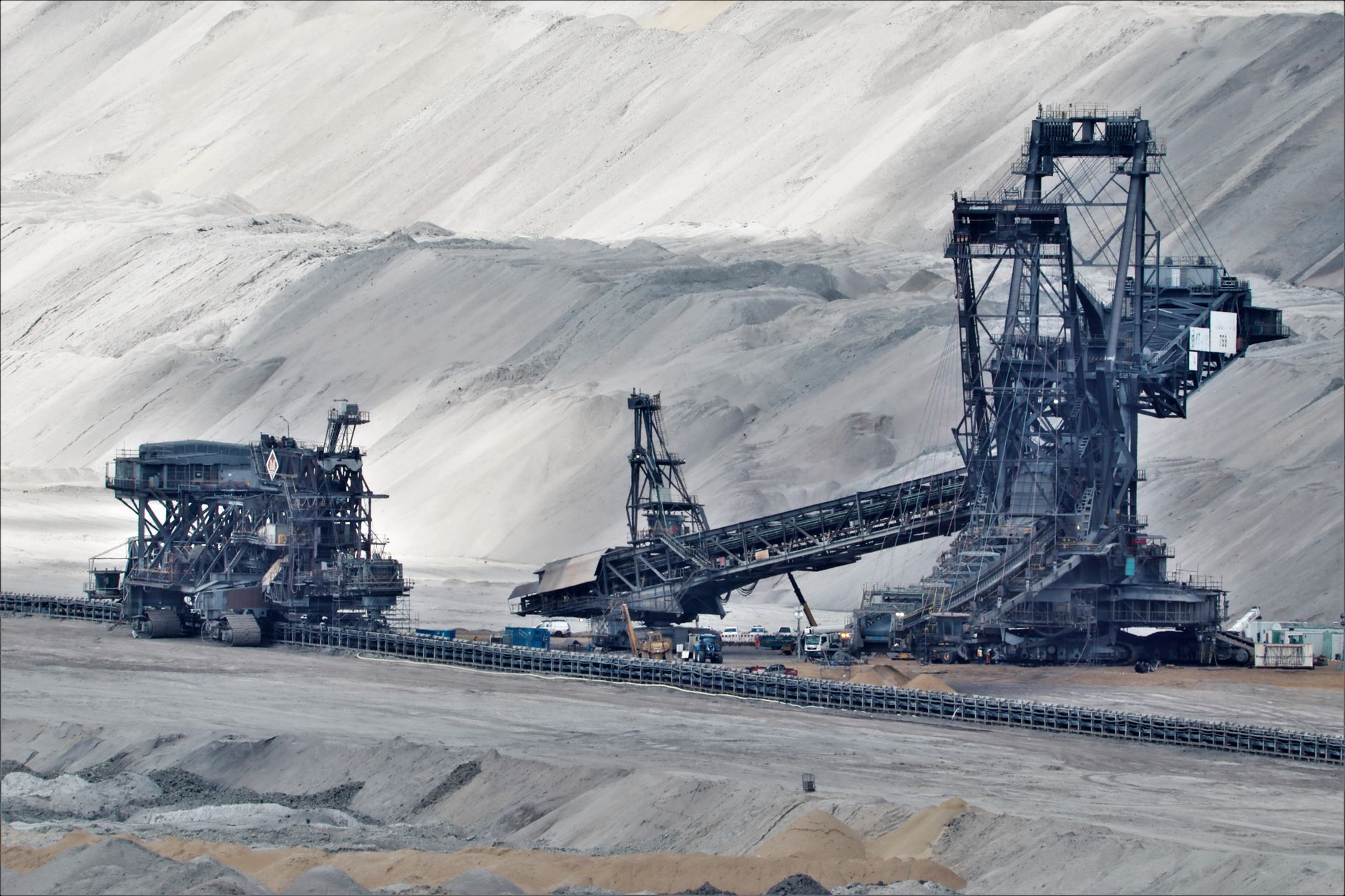
While the world has been watching the Strait of Hormuz and the convulsions tearing through global oil markets, something quieter has been happening beneath the sands of Saudi Arabia. The Kingdom sits on an estimated USD 1.3 trillion in untapped mineral wealth — copper, gold, phosphate, rare earth elements, zinc, bauxite — and the scramble to extract it is moving faster than most people outside Riyadh have registered. In a year when Brent crude swung from USD 42 to USD 105 a barrel within six months, the strategic logic of diversifying into hard rock has never felt more viscerally obvious to Saudi policymakers, sovereign wealth managers, and the private investors who move alongside them.
The Oil Shock as Catalyst
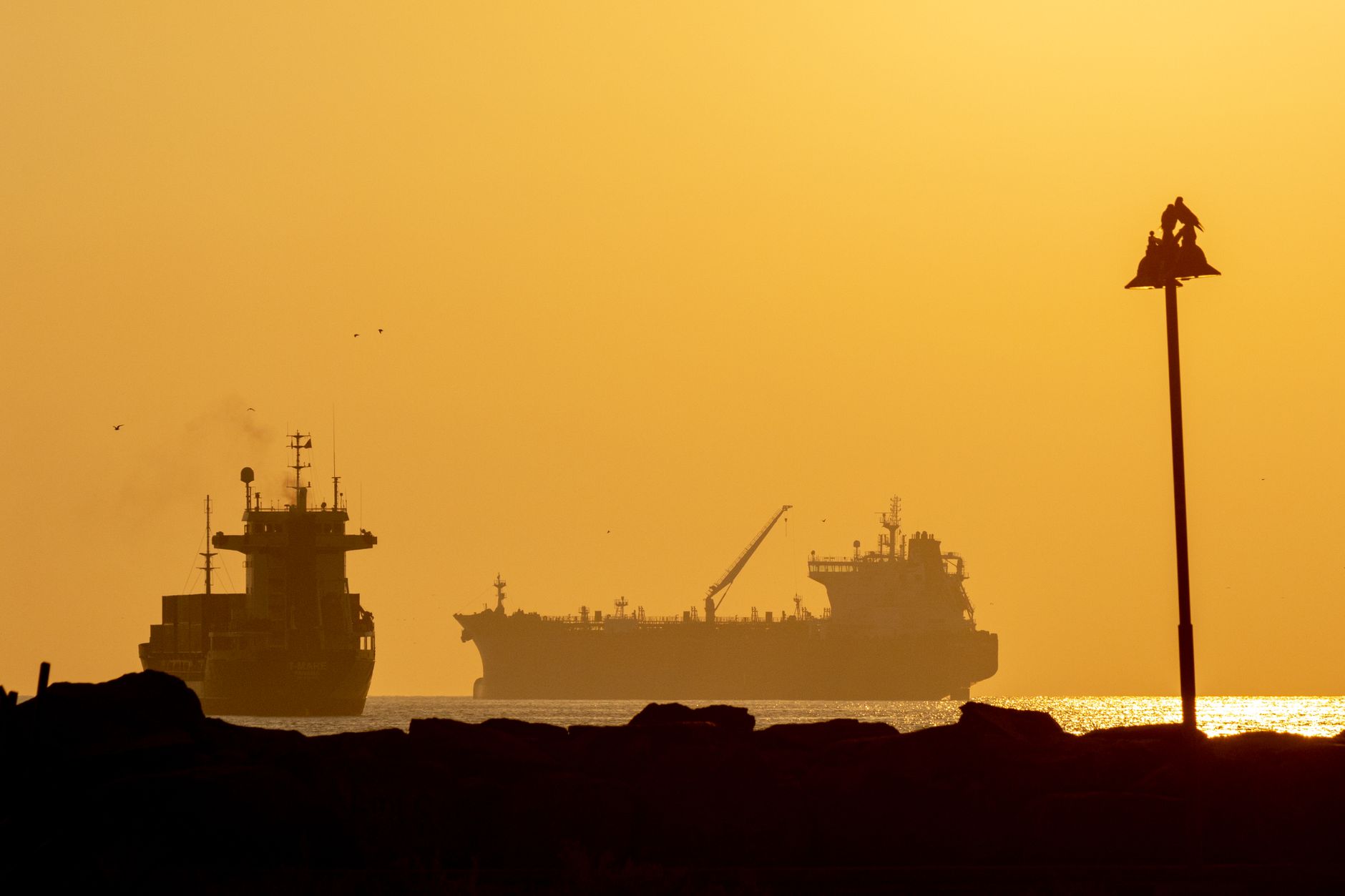
The Ramadan War — the U.S.-Israel military campaign against Iran that began with airstrikes on February 28, 2026 — did more than disrupt oil flows. It exposed, with uncomfortable clarity, the structural vulnerability of an economy whose export revenues are priced in a commodity that flows through a single chokepoint. When the Hormuz blockade cut flows from roughly 20 million barrels per day to a trickle, Saudi Arabia found itself in a paradoxical position: holding some of the world's most valuable oil reserves while being unable to reliably monetise them. Brent recovered to around USD 88 a barrel by late August, buoyed by cautious optimism surrounding Iran's reported revenue-sharing arrangement with Oman over the strait. But the damage to Saudi strategic thinking is permanent.
The operational response was striking. Saudi Arabia more than doubled its shipping volume from June 17 compared to the prior three months combined. That is real logistical agility. Yet Crown Prince Mohammed bin Salman's inner circle was simultaneously accelerating conversations that had been simmering since 2021: how to build sovereign revenue streams that do not depend on a single waterway, a single commodity, or a single buyer. Mining is now central to that answer.
Ma'aden: The Institution at the Centre
Saudi Arabian Mining Company — Ma'aden — is the institutional vehicle through which the Kingdom is pursuing this ambition. It is also one of the most consequential listed companies that international private investors have systematically under-priced. With a market capitalisation hovering around USD 35 billion and government ownership exceeding 65%, Ma'aden runs the Waad Al-Shamal phosphate complex, the Manifa-linked aluminium smelters at Ras Al Khair, and gold mining operations in the Mahd Ad Dhahab region — one of the oldest operating gold mines on earth.
In the first half of 2026, Ma'aden reported a 31% increase in gold production volumes year-on-year, driven by higher throughput at the Mansourah-Massarah gold complex in the Riyadh region. The timing has been fortunate. Gold traded above USD 2,400 per troy ounce for much of 2026, sustained by safe-haven demand directly linked to the Hormuz crisis and broader geopolitical stress. For Ma'aden, this is not a windfall. It is validation of a decade-long capital allocation thesis. The company has quietly become one of the Gulf's most significant commodity producers by revenue — a fact that regional and international portfolio allocations have yet to fully reflect.
Vision 2030 Mining Targets and the Regulatory Architecture
The Ministry of Industry and Mineral Resources, led by Minister Bandar Alkhorayef, has set a target of growing the mining sector's contribution to GDP from approximately USD 17 billion today to USD 75 billion by 2030. That is not a rounding error. It represents a near-complete reimagining of what the Saudi economy produces and exports. To get there, the government overhauled the Mining Investment Law, cut exploration licensing timelines to under 90 days in designated zones, and created a dedicated Geological Survey and Mineral Resources Authority — GSMA — to publish detailed mineralogical mapping data that was previously treated as state intelligence.
The practical effect has been an influx of international interest from players previously deterred by opacity. Rio Tinto has held substantive discussions with GSMA on copper and lithium exploration rights in the Midyan and Wajh regions of northwest Saudi Arabia — areas geologically contiguous with mineral-rich zones in Egypt's Eastern Desert. South Korean state-backed entities have explored offtake arrangements for Saudi phosphate. Chinese mining conglomerates have positioned themselves through joint venture structures that mirror their established model across Africa, particularly in the DRC and Zambia. Few outside the region have noticed the third group: family offices from Kazakhstan and Uzbekistan — countries with deep mining expertise and significant sovereign capital — showing quiet interest in co-investment vehicles aligned with Ma'aden's downstream processing assets. They should be watched.
The Copper Opportunity: Under-Explored and Under-Priced
Of all the minerals beneath Saudi soil, copper may carry the most significant long-term strategic weight. The Arabian Shield — the ancient Precambrian craton forming the geological backbone of western Saudi Arabia — hosts volcanogenic massive sulphide deposits of the type associated with world-class copper-zinc discoveries elsewhere on the planet. By current estimates, the Shield's copper resources are less than 15% explored by modern methods.
The numbers tell a complicated story. Goldman Sachs Commodities Research projected earlier this year that the global copper market could face a deficit of 8 million metric tonnes by 2030 without significant new mine supply. The energy transition — whatever the hydrocarbon volatility of 2026 suggests about its pace — continues to drive copper demand through electric vehicles, grid infrastructure, and renewable generation capacity. Saudi Arabia has capital, political will, and geological endowment. It is positioning to be part of the supply response. The GSMA has identified seventeen priority copper exploration zones; four are currently under active licensing review.
What This Means for Private Capital
For family offices, private investors, and sovereign-adjacent funds operating across the Gulf, Central Asia, and beyond, the Saudi mining thesis offers a multi-layered opportunity set that extends well beyond buying Ma'aden shares on Tadawul. The most sophisticated capital is looking at three vectors: direct royalty and streaming agreements on producing assets; private equity positions in the junior exploration companies winning early-stage licenses; and infrastructure-adjacent plays — logistics, water treatment, energy supply — that mining at scale in the Hejaz and Najd regions will inevitably demand.
The UAE's exit from OPEC on May 1, 2026, grounded partly in Abu Dhabi's desire to pursue sovereign wealth strategies independent of production quota politics, is instructive. Abu Dhabi Capital Group and Mubadala have long understood that mineral assets deliver the kind of long-duration, inflation-linked, geopolitically resilient returns that hydrocarbon revenues alone cannot guarantee. Saudi Arabia is reaching the same conclusion — not as an admission of weakness, but as the natural evolution of a sovereign wealth strategy that was always too large for oil to contain alone. The kingdom beneath the kingdom is opening for business. The investors who arrive early will find the terms considerably more favourable than those who wait for the glossy conference brochures.
Written by
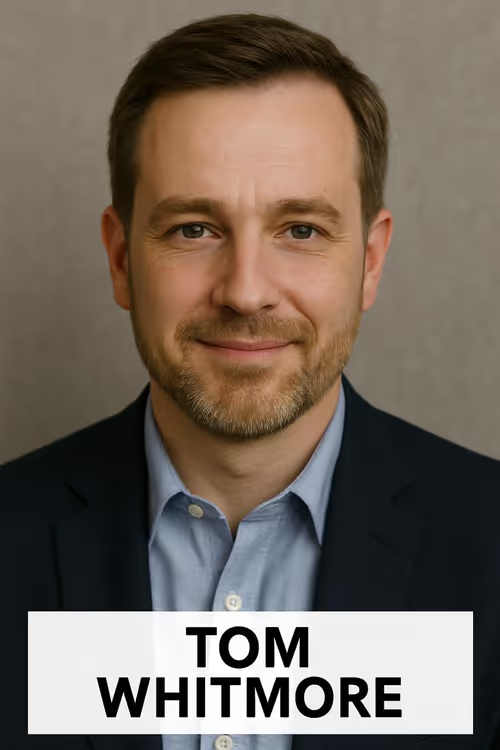
Tom Whitmore
Senior correspondent · Real Estate & Private Companies
Tom has interviewed most of the operators reshaping the Gulf skyline — and a few of the ones who tried and didn't. His beat is real estate, commodities, manufacturing, and the founder-led private companies that never bother to list. He knows which buildings and balance sheets survive a downturn before the spreadsheet does. Based in Dubai. Reach out at tom.whitmore@theplatinumcapital.com.