

Superyacht Ownership in the Gulf: Brokers, Builders, and Buyers
As the Gulf's ultra-high-net-worth population expands at a pace outstripping every other region, the superyacht market has evolved from a peripheral indulgence into a sophisticated asset class, with regional brokers now structuring acquisitions through holding vehicles in Abu Dhabi Global Market and the DIFC that rival the complexity of a mid-market private equity deal. Understanding the interplay between European shipbuilders competing aggressively for Arab patronage, the regulatory frameworks governing flagging and ownership, and the discreet preferences of a buyer demographic that prizes privacy as much as performance has become essential intelligence for any family office or sovereign-adjacent investor navigating this space.…

There is a particular kind of wealth that demands water. Not a pool, not a penthouse terrace overlooking a marina — but the open sea, on one's own terms, at one's own pace, aboard a vessel that is as much a statement of identity as it is a mode of transport. Across the Gulf, that instinct is accelerating. The superyacht market in the GCC is no longer a peripheral luxury category spoken of in hushed tones at Cannes Yachting Festival. It has become a seriously managed asset class — and the brokers, builders, and buyers shaping it are growing sharper by the season.
The Gulf Buyer Has Changed
The old archetype is fading. A Saudi or Emirati principal, male, above sixty, commissioning a 60-metre vessel to berth indefinitely in Monaco or Antibes — that profile still exists, but it no longer defines the market. Today's GCC buyers skew younger, engage directly with their vessels' operations, and arrive with bespoke commission briefs that reflect specific aesthetic and cultural preferences rather than a willingness to accept off-the-shelf European naval architecture. That is a significant shift.
Several leading brokers report that enquiries from principals based in Qatar and Abu Dhabi have moved toward vessels in the 50- to 80-metre range — large enough to accommodate extended family voyages and private entertaining, lean enough to access shallower anchorages across the Red Sea, the Maldives, and the Eastern Mediterranean. The vessel, in other words, has to work.
What has also changed is where new buyer interest originates. Family offices and wealth advisors across the region confirm a measurable uptick in enquiries from Central Asian principals — Kazakh and Uzbek wealth, much of it resource-derived or infrastructure-adjacent — now routing serious capital through Dubai and Abu Dhabi and absorbing Gulf lifestyle preferences as part of that repositioning. West African UHNW principals, particularly from Nigeria and Ghana, are entering conversations that would previously have been confined to property and private aviation. For this cohort, the superyacht represents the final marker of a particular kind of global mobility. Few outside the industry have noticed. They should.
Sindalah and the Red Sea Question
No single development has generated more anticipation — or more cautious reassessment — among Gulf yacht market participants than NEOM's Sindalah Island. The $4 billion project in the Gulf of Aqaba was conceived as a statement of intent: Saudi Arabia as a superyacht destination of global consequence, anchored by an 86-berth marina, a yacht club, luxury hotels, beach clubs, and retail. Italian superyacht architect Luca Dini Design was appointed to lead the marina and yacht facilities. Dini's firm has designed superyachts for some of Europe's most prominent private clients. That appointment signalled clearly that Sindalah was not being built for regional tourists. It was being built for owners.
The project's subsequent delays, and the transfer of management responsibility to Red Sea Global, have introduced uncertainty that serious buyers and operators are watching carefully. The numbers tell a complicated story. Yet the underlying thesis has not collapsed.
The Red Sea route — linking the Gulf of Aqaba to the Bab-el-Mandeb and onward toward the Indian Ocean — ranks among the most under-served superyacht corridors in the world, particularly relative to its geographic and climatic attributes. Brokers who operate across both Mediterranean and Gulf markets consistently report that owners who have cruised the Red Sea privately describe experiences of extraordinary quality, entirely absent from mainstream charter itineraries. Sindalah, whenever it opens at scale, will attempt to formalise what is currently only accessible to those with the right relationships and the right vessels to pursue it independently.
Dubai as the Operational Hub
While Saudi Arabia builds toward its superyacht ambitions, Dubai holds the Gulf's undisputed position as the sector's operational and commercial centre. Port Rashid and Dubai Harbour together provide the most established superyacht berthing infrastructure in the region. The Dubai International Boat Show — held annually at Dubai Harbour — has grown into a genuinely significant industry event, drawing European and Asian builders, brokers, and crew placement specialists who recognise the Gulf buyer's growing market weight.
The concentration of family office capital in Dubai also shapes how superyacht transactions actually get done. Vessels are increasingly acquired through dedicated holding structures — often UAE-registered entities — with ownership, financing, crewing, and insurance managed as integrated components of a broader wealth strategy rather than handled as standalone purchases. Several advisory firms in DIFC now offer superyacht-specific structuring services, a category that barely existed five years ago.
The parallel with how the same families manage their aviation assets is not coincidental. Vista Global, which holds its global headquarters in Dubai and in August 2025 became the first internationally approved operator for domestic Saudi charter flights, offers a useful reference point. The same instinct toward structured, managed access to premium mobility assets is reshaping how Gulf principals think about yacht ownership. The superyacht is becoming less a trophy and more a managed platform.
Builders, Brokers, and the Commission Pipeline
European shipyards — Feadship, Lürssen, Benetti, Oceanco — remain the dominant builders for Gulf commissions at the upper end of the market. Their order books reflect sustained GCC demand. New build lead times across the major Dutch and Italian yards now run to four and five years for vessels above 60 metres. Buyers entering the market today are making decisions about how they want to live and entertain in 2029 and 2030. That forward horizon concentrates minds considerably.
At the brokerage level, firms with established Gulf relationships — whether operating from Monaco, London, Fort Lauderdale, or increasingly from Dubai itself — report that the most competitive mandates in the region now demand a level of principal engagement qualitatively different from a decade ago. Buyers arrive with interior architects already appointed, operational preferences already specified, and clear positions on how the vessel will be crewed, flagged, and insured. The era of the passive Gulf buyer, content to defer to a European broker's recommendation, is largely over. The principals across the table today have done the work.
The Asset, The Experience, and What Comes Next
The GCC superyacht market is approaching an inflection point that the broader luxury sector has already passed — from Jumeirah beachfront real estate closing at Dh400 million per transaction to ultra-long-range private aviation now accessible aboard Bombardier Global 8000 aircraft through operators with deep Gulf roots. The infrastructure is catching up with the appetite. The advisory ecosystem is professionalising. The buyer base is diversifying across nationalities, age profiles, and wealth origins in ways that will sustain demand well beyond any single market cycle.
For UHNW principals and family office decision-makers across the Gulf, Central Asia, and Africa who are considering entry into this market, the strategic moment is now. Yard slots are finite. Berthing infrastructure in the Red Sea and the broader Indian Ocean corridor is being built around a specific vision of who will use it. Those who move with clarity — and with the right advisors around them — will not merely acquire an asset. They will secure a position in a network of private access that is, by design, not publicly available.
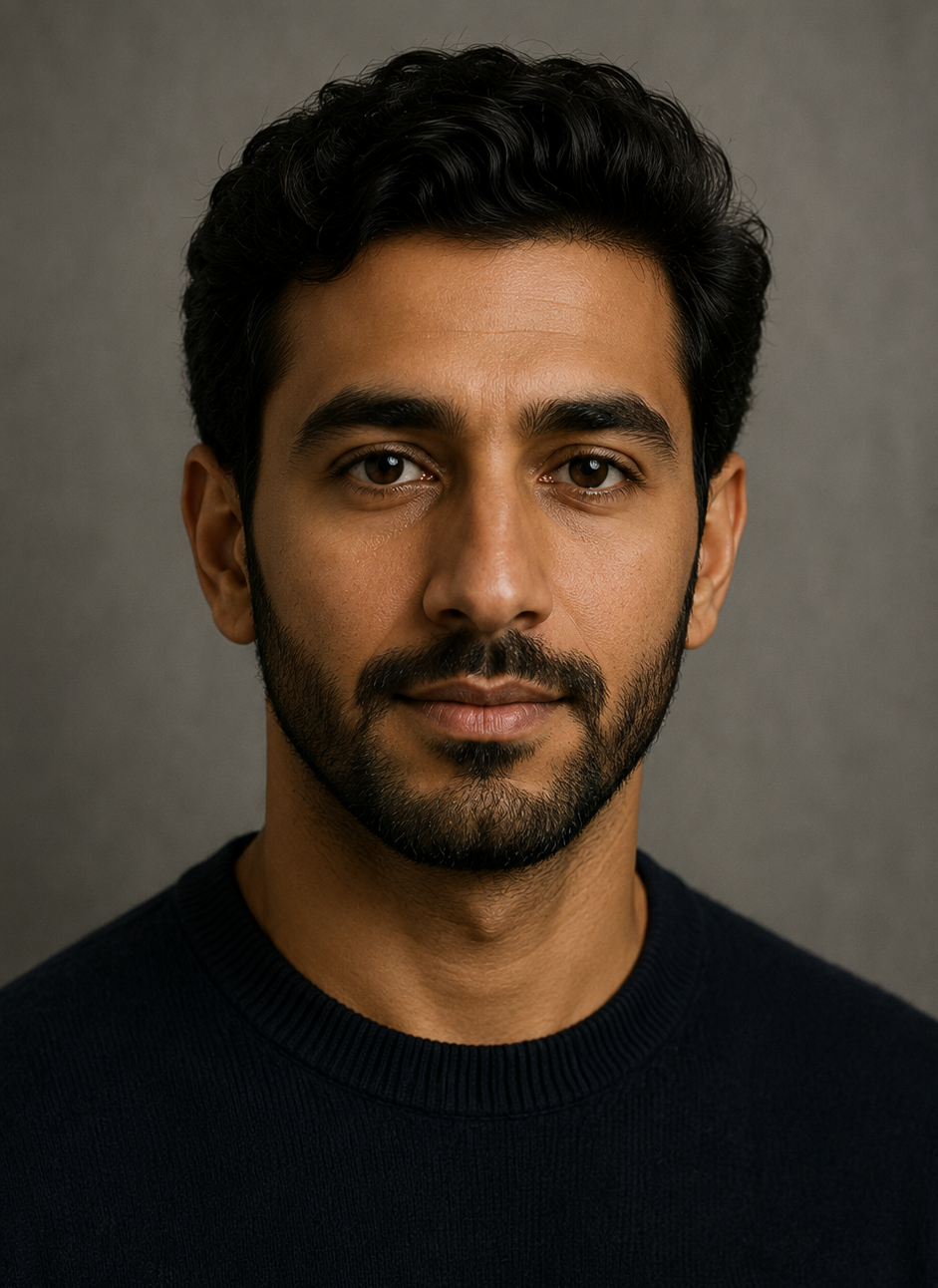
Written by
Khalid Al-Rashidi
Gulf & Middle East Correspondent · Emerging & Strategic Wealth
Khalid covers the family offices, luxury operators, and strategic capital moving across the GCC and wider Arab world — often before the rest of the region notices. He's spent years tracking how Gulf wealth structures itself for the next generation, from residency programmes to private aviation. Based between Dubai and Riyadh. Reach out at khalid.al-rashidi@theplatinumcapital.com.