

African Family Business Successions: The Transitions Underway
Across the continent, a defining generational shift is reshaping Africa's most powerful family-owned enterprises, as founders who built empires from Lagos to Nairobi begin transferring the reins to Western-educated heirs armed with sharper governance frameworks and bolder global ambitions. For investors and family offices positioning capital in high-growth African markets, understanding the dynamics of these succession transitions — and the strategic recalibrations they trigger — is no longer optional; it is essential intelligence.…
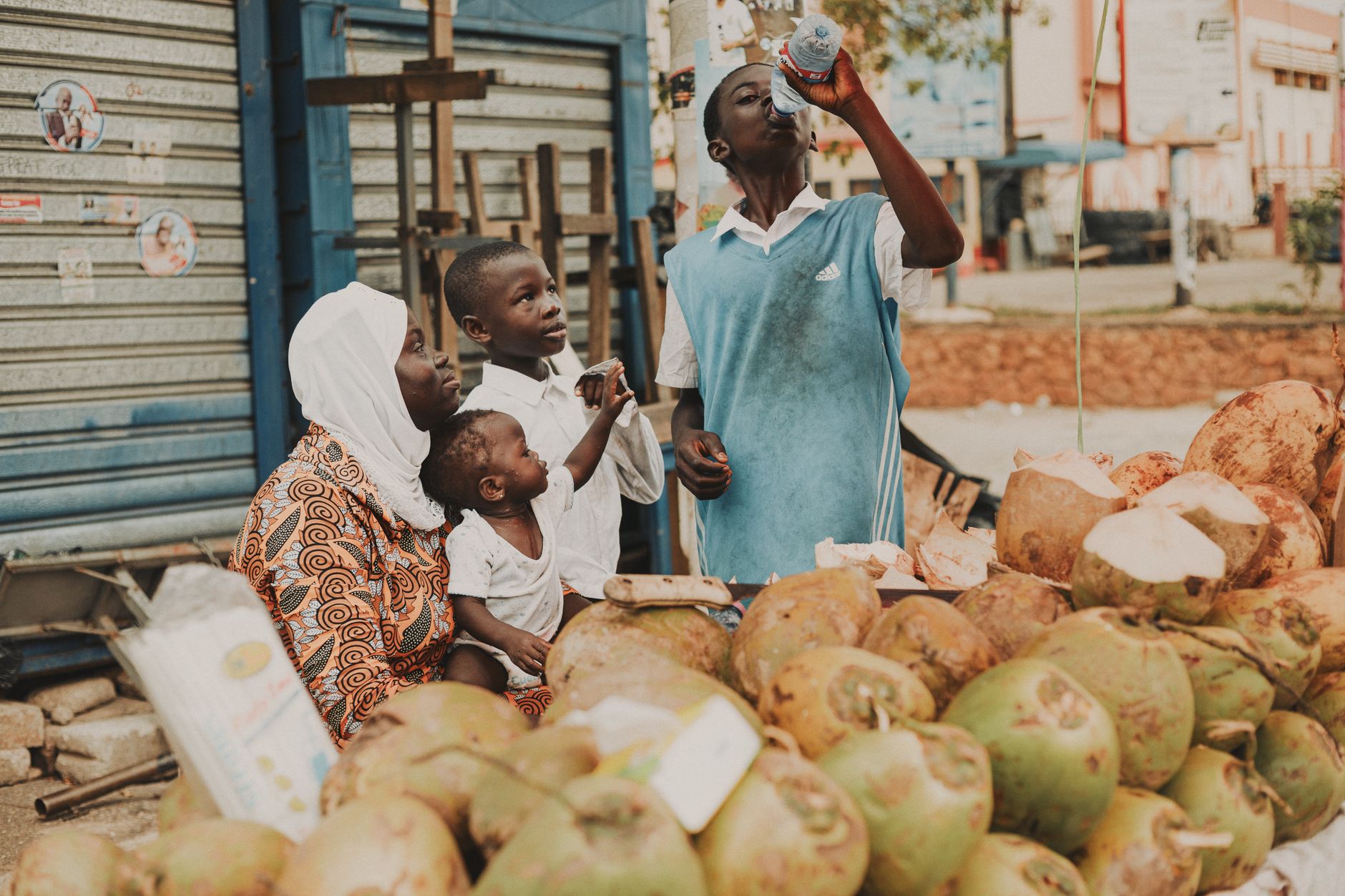
Across the continent, a generational handover is quietly reshaping some of Africa's most consequential family enterprises. Unlike the dramatic boardroom battles that occasionally surface in Western business media, the transitions underway in Nigeria, Kenya, South Africa, and Egypt are largely deliberate, structured, and — where they are working — increasingly sophisticated. The next generation of African family business leaders is not simply inheriting wealth. They are being asked to transform it.
The Scale of What Is Changing
Africa's family-owned businesses account for an estimated 70 to 80 percent of private sector employment across the continent, and a disproportionate share of GDP in markets such as Nigeria, Morocco, and Kenya. The stakes of succession extend well beyond individual dynasties. When a founding patriarch or matriarch steps back from a group generating hundreds of millions in annual revenue, the ripple effects touch suppliers, employees, lenders, and in some cases, entire regional economies.
Timing makes this moment particularly charged. Many of Africa's most prominent business families were built by founders who came of age in the 1970s and 1980s — a generation now in their late seventies and eighties. Their children, typically educated in the United Kingdom, the United States, or France, are returning to take the helm at a moment of genuine continental complexity: tightening currency regimes in Nigeria and Egypt, a post-pandemic reorientation of supply chains, and intensifying competition from Gulf-backed and Chinese-linked capital entering African markets at scale. The ground is shifting under their feet before they have even fully taken the wheel.
The global context sharpens the picture. The Forbes Middle East Top 100 Family Businesses 2026 list, released earlier this year, placed Abdul Latif Jameel at the top — a Saudi group now led into its third generation under Chairman Mohammed Abdul Latif Jameel, with his sons Fady and Hassan serving as Vice Chairmen for international and Saudi operations respectively. The group's expansion into seven new international markets within a single strategic cycle, including South Africa, is not incidental. Gulf family enterprises are entering African markets with long-term capital and institutional discipline. African family businesses will need to answer that directly.
Nigeria: Professionalising the Holding Structure
In Nigeria, the succession challenge is often less about identifying the next leader and more about building the infrastructure around them. Several of the country's major conglomerates — spanning manufacturing, real estate, and financial services — are converting patriarchal management styles into governed holding structures with independent boards, family constitutions, and ring-fenced investment vehicles. That is a significant shift, and it is happening faster than most outside observers have registered.
The Dangote Group, Africa's largest privately held industrial conglomerate, offers a useful reference point. Aliko Dangote has made no secret of his intention to eventually list Dangote Industries on international markets — a move that would formalise institutional oversight and reduce the concentration risk that defines so many founder-led African businesses. His daughter, Halima Dangote, has taken on increasing responsibility within the group, particularly in communications and corporate strategy. The pattern is consistent across several Nigerian family enterprises: the next generation enters through a specific functional lane before broader authority is granted. Controlled exposure before full inheritance.
For family office principals across the continent, the Nigerian model raises a question that does not have a clean answer: at what point does professionalisation dilute family cohesion, and how do you preserve founding culture while installing the governance mechanisms that institutional capital demands?
Kenya and East Africa: The Entrepreneurial Spin-Off Model
East Africa is doing something different. The pattern emerging there bears a striking resemblance to a trend accelerating in the UAE, where next-generation heirs from families including Al Futtaim, Al Ghurair, and Al Naboodah are launching independent ventures backed by family capital rather than waiting to inherit the parent enterprise. Kenya's business families are following a similar path — though with less formalised capital structures behind them.
Younger members of established Kenyan business families, across sectors ranging from tea and floriculture to logistics and financial technology, are founding parallel enterprises. Many are planting their flags in digital infrastructure and consumer technology — sectors their parents never touched. The logic is sound: the next generation builds an independent track record, and the legacy business stays insulated from the risk appetite of entrepreneurs who have not yet been tested at scale. Both sides of the family portfolio get to breathe.
The risk is fragmentation. When capital and talent are split across too many ventures simultaneously, the original business loses competitive momentum. Family wealth advisers operating across Nairobi and Johannesburg have watched it happen. The families managing this most effectively are those that have established formal family offices — typically seeded with between USD 20 million and USD 80 million — structured as internal venture vehicles, with defined governance over which next-generation projects receive backing and on what terms. Discipline, not enthusiasm, is the differentiator.
South Africa and Egypt: Institutional Pressure Meets Family Loyalty
South Africa adds another layer of complexity. The country's broad-based black economic empowerment framework, combined with the social expectations placed on prominent business families to visibly demonstrate transformation at the leadership level, creates a dual pressure that most Western succession frameworks were never designed to handle. Several of South Africa's most established family groups are simultaneously satisfying institutional investors who demand transparent succession planning and managing deeply personal family dynamics that rarely conform to corporate timelines. Those two forces do not always pull in the same direction.
Egypt is a different kind of pressure entirely. The post-2016 economic reforms and successive devaluations of the Egyptian pound have materially altered the wealth composition of the country's major business families. Those with hard-currency-generating assets — in tourism, export manufacturing, or Gulf-linked real estate — have emerged stronger. Those concentrated in domestic retail or import-dependent sectors have seen wealth eroded in real terms. For these families, succession is not a standalone question. It is inseparable from a fundamental restructuring of the asset base itself. You cannot separate who leads from what they will be leading.
The Al Khayyat brothers of Qatar's Power International Holding command attention here. Their USD 11 billion in Syrian infrastructure contracts secured earlier this year — including the redevelopment of Damascus International Airport — represent exactly the kind of bold, long-horizon positioning that Egypt's next-generation business leaders are studying. The ability to price structural bets on frontier or post-conflict markets is increasingly what separates growing family enterprises from those that are managing a slow retreat. Few outside the region have paid close enough attention to that deal. They should.
What Family Offices and Investors Should Watch
For investors, family office principals, and wealth advisers with exposure to African markets, these succession transitions carry direct implications. The businesses that emerge strongest will not necessarily be the largest today. They will be the ones that invested in governance infrastructure, diversified their currency exposure, and backed a next generation that combines local market intelligence with international financial literacy. Size is not the leading indicator. Structure is.
The Gulf precedent is unambiguous: structured succession, anchored by formal holding vehicles and clear generational mandates, produces compounding returns across decades. Africa's next-generation leaders understand this. The families that formalise their transitions now — rather than deferring the conversation until a founder's health forces the issue — will write the continent's private wealth story for the next thirty years. Those who wait risk ceding ground to outside capital that is already arriving with patient mandates and no hesitation whatsoever.
Written by
Amara Osei
Africa & Emerging Markets Correspondent · Philanthropy & Next Generation
Amara covers the philanthropists, foundation founders, and next-generation leaders building wealth and influence across Africa, Southeast Asia, and Central Asia. She has a particular eye for the family businesses handing the reins to a generation educated abroad and building at home. Based in Nairobi. Reach out at amara.osei@theplatinumcapital.com.