

Digital Native Successors Transforming Gulf Retail Empires
As Gulf retail dynasties navigate an era of unprecedented disruption, a new generation of digitally fluent heirs is quietly dismantling decades-old operational frameworks and replacing them with data-driven ecosystems that are redefining consumer engagement across the Arabian Peninsula. These successors are not merely modernizing inherited empires — they are engineering entirely new revenue architectures that command the attention of sovereign wealth funds, regional family offices, and policymakers shaping the next phase of Gulf economic diversification.…

Across the Gulf's sprawling retail corridors — from Riyadh's luxury precincts to Dubai's hyperconnected commerce hubs — something consequential is happening. The sons and daughters of the merchants who built billion-dollar empires on distribution rights, shopping mall concessions, and brand exclusivity agreements are taking the helm. They are not inheriting their parents' playbooks. They are rewriting them entirely, armed with data analytics, direct-to-consumer strategies, and a fluency in digital infrastructure that their founders never needed. This is not a modernisation story. It is a reinvention story — and the families who move fastest stand to extend their dominance well beyond anything their founders imagined.
From Distribution Rights to Digital Dominance
The traditional Gulf retail model was built on exclusivity. Secure a franchise agreement with a European luxury house or a Japanese automaker, establish physical presence across the GCC, and let geography and growing disposable incomes do the rest. That model produced extraordinary wealth. But e-commerce penetration across the UAE, Saudi Arabia, and Qatar is accelerating hard — projected to surpass $50 billion by 2027 across the GCC — and the heirs of these empires are now confronting a structural challenge that no amount of prime retail real estate can solve alone.
The Abdul Latif Jameel Group, which topped the Forbes Middle East Top 100 Family Businesses ranking for 2026, offers the clearest illustration of how a multi-generational enterprise manages this tension at scale. Chairman Mohammed Abdul Latif Jameel oversees a leadership structure that includes Vice Chairmen Fady Jameel and Hassan Jameel — each commanding distinct international and domestic portfolios. The group has shown that generational transition need not mean strategic rupture. In 2025 alone, Jameel Motors entered seven new markets — the UK, Australia, Italy, and the UAE among them — through distribution agreements with Chinese automakers Geely, GAC, and Changan Automobile. That is a significant shift. The decision to pivot aggressively toward Chinese EV brands, rather than doubling down solely on legacy Japanese partnerships, reflects exactly the kind of market reading that next-generation family members are increasingly driving from the inside.
The DIFC NextGen Programme: Institutional Infrastructure for Succession
What changed meaningfully in 2026 was not just the ambition of next-generation leaders. It was the institutional architecture being built around them. On July 1, 2026, the Dubai International Financial Centre marked a notable milestone when the inaugural cohort of its NextGen Leadership Programme graduated from the DIFC Family Wealth Centre. The programme sits within one of the world's most sophisticated financial free zones and equips heirs to complex family enterprises with governance frameworks, cross-border investment literacy, and peer networks built for leading at the highest levels.
For family offices managing assets between $50 million and $500 million across the Gulf, this kind of structured succession infrastructure matters enormously. Informal handovers — where a patriarch introduces a son to key relationships over years of quiet mentorship — remain common. Few would argue they are sufficient. The DIFC programme signals something more pointed: the region's financial establishment now treats next-generation readiness as a systemic risk to be managed, not merely a family matter to be handled privately. The graduation of the first cohort marks the moment Gulf's wealthiest families began applying the same rigour to leadership transition that they have long applied to investment due diligence.
Qatar's Dealmakers and the New Definition of Scale
Not every next-generation story in the Gulf is about retail in the narrow sense. Power International Holding, the Qatari conglomerate led by brothers Motaz and Ramez Al Khayyat, secured seventh position in the Forbes Middle East 2026 family business rankings — the highest-placed Qatari group on the list. Their deal flow in 2025 alone signals the scale of ambition now characterising next-generation Gulf family enterprises. Two infrastructure contracts in Syria, valued at a combined $11 billion, represent one of the largest private-sector commitments to post-conflict reconstruction in the Arab world. Full stop.
The lesson for retail successors is not in the sector — it is in the model. The Al Khayyat brothers moved aggressively into underserved markets rather than consolidating existing positions. Several Gulf retail families are now applying exactly that logic to African and Central Asian growth corridors. Family offices in Doha and Dubai with consumer goods exposure are quietly evaluating Morocco, Vietnam, and Kazakhstan — markets where middle-class consumer growth is outpacing the Gulf's relatively saturated retail environment. Few outside these inner circles have noticed this geographic rotation. They should. The Al Khayyat brothers are widely regarded among Gulf business analysts as exemplars of next-generation acceleration, and the families watching them most closely are already moving.
The Digital Retail Playbook Being Written in Real Time
Inside the succession stories that never make headlines, a consistent pattern keeps emerging. Next-generation family members who studied computer science, product management, or data science at universities in the United States, United Kingdom, or Singapore are returning home and immediately identifying the same gap: the customer data these enterprises generate is vast and almost entirely wasted. Loyalty programmes that tracked purchase history on paper. CRM systems never integrated across subsidiaries. Supply chains managed through relationships rather than algorithms.
The numbers tell a complicated story. The transformation these successors are driving is less dramatic than a pivot to a new industry — and more durable for exactly that reason. A second-generation leader in a Saudi consumer goods family does not need to abandon the family's distribution network to build a digital business. She needs to layer data infrastructure on top of it, create direct consumer touchpoints through owned digital channels, and use the family's existing supplier relationships to negotiate exclusive product launches for online audiences. Several such transitions are already underway across Riyadh, Jeddah, and Abu Dhabi — quietly, without press releases — with next-generation leaders delivering double-digit revenue growth in digital channels within 24 months of assuming operational responsibility.
What This Means for Family Offices and Private Investors
For investors and family office principals tracking private wealth flows across the GCC, the practical implication is direct: the most compelling capital deployment opportunities over the next five years will not come from new market entrants. They will come from established family enterprises undergoing digital transformation under credible next-generation leadership — businesses with proven cash flows, trusted brand equity, and customer relationships spanning decades, now being rebuilt around technology infrastructure for the first time.
The Gulf retail succession wave is not a disruption story. It is a compounding story. The families who built dominant positions through exclusivity and physical scale are handing those positions to successors who understand that the same assets — the relationships, the licences, the real estate, the brand trust — become exponentially more valuable when connected to digital commerce infrastructure and data-driven customer strategy. The families who execute this transition well will not merely preserve generational wealth. They will extend it across geographies and asset classes that their founders could not have imagined. That is the bet worth making.
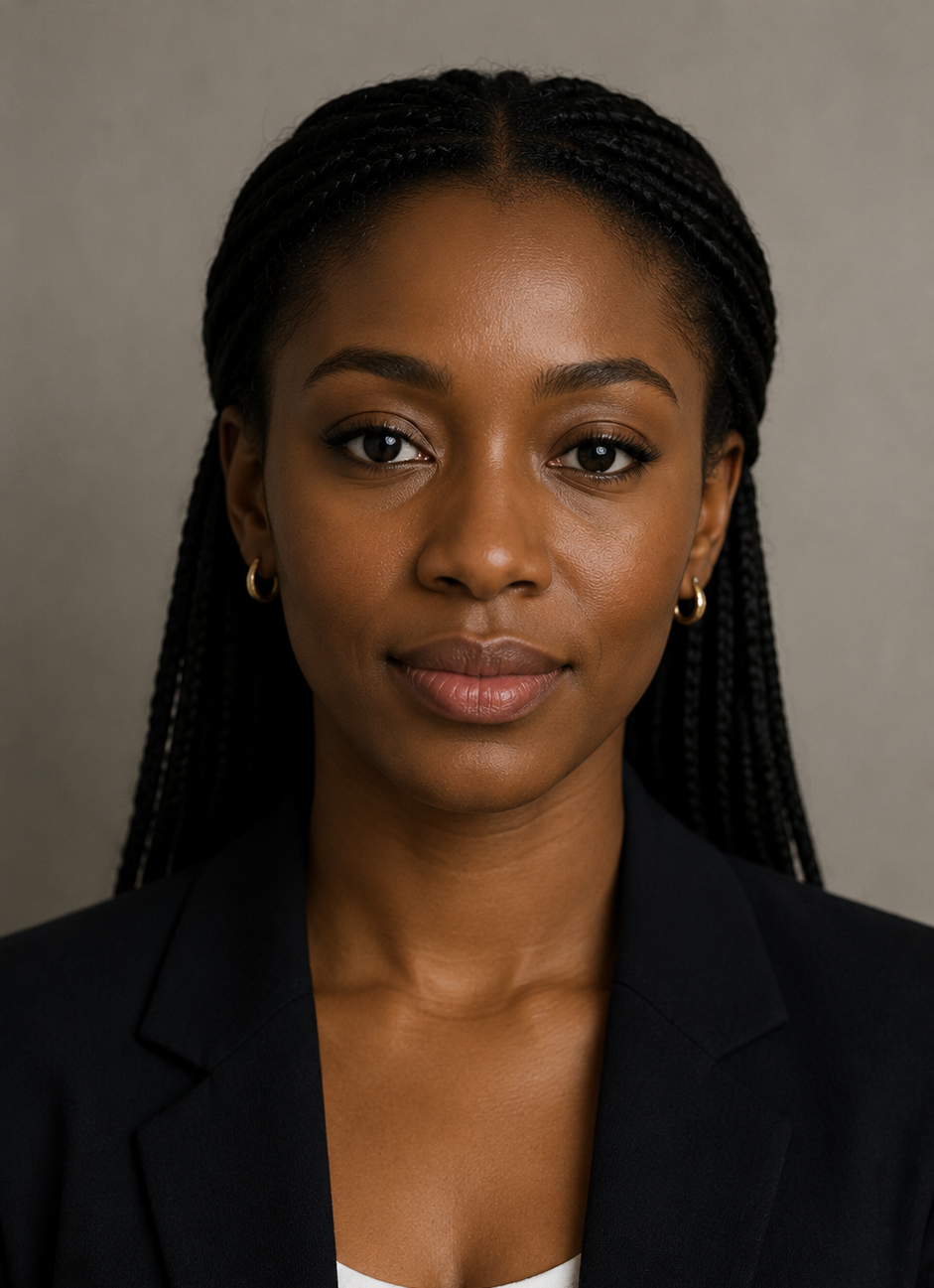
Written by
Amara Osei
Africa & Emerging Markets Correspondent · Philanthropy & Next Generation
Amara covers the philanthropists, foundation founders, and next-generation leaders building wealth and influence across Africa, Southeast Asia, and Central Asia. She has a particular eye for the family businesses handing the reins to a generation educated abroad and building at home. Based in Nairobi. Reach out at amara.osei@theplatinumcapital.com.