Waqf Modernisation: Islamic Endowments Meet Professional Management
As centuries-old Islamic endowments increasingly attract institutional scrutiny, the modernisation of waqf structures represents one of the most consequential yet underexamined opportunities in global philanthropic finance, where patient capital meets purpose-driven governance at scale. Forward-thinking family offices and sovereign stakeholders who master the convergence of Shariah-compliant frameworks with contemporary asset management disciplines will be positioned to unlock billions in dormant endowment value while shaping the next frontier of impact-oriented wealth stewardship.…
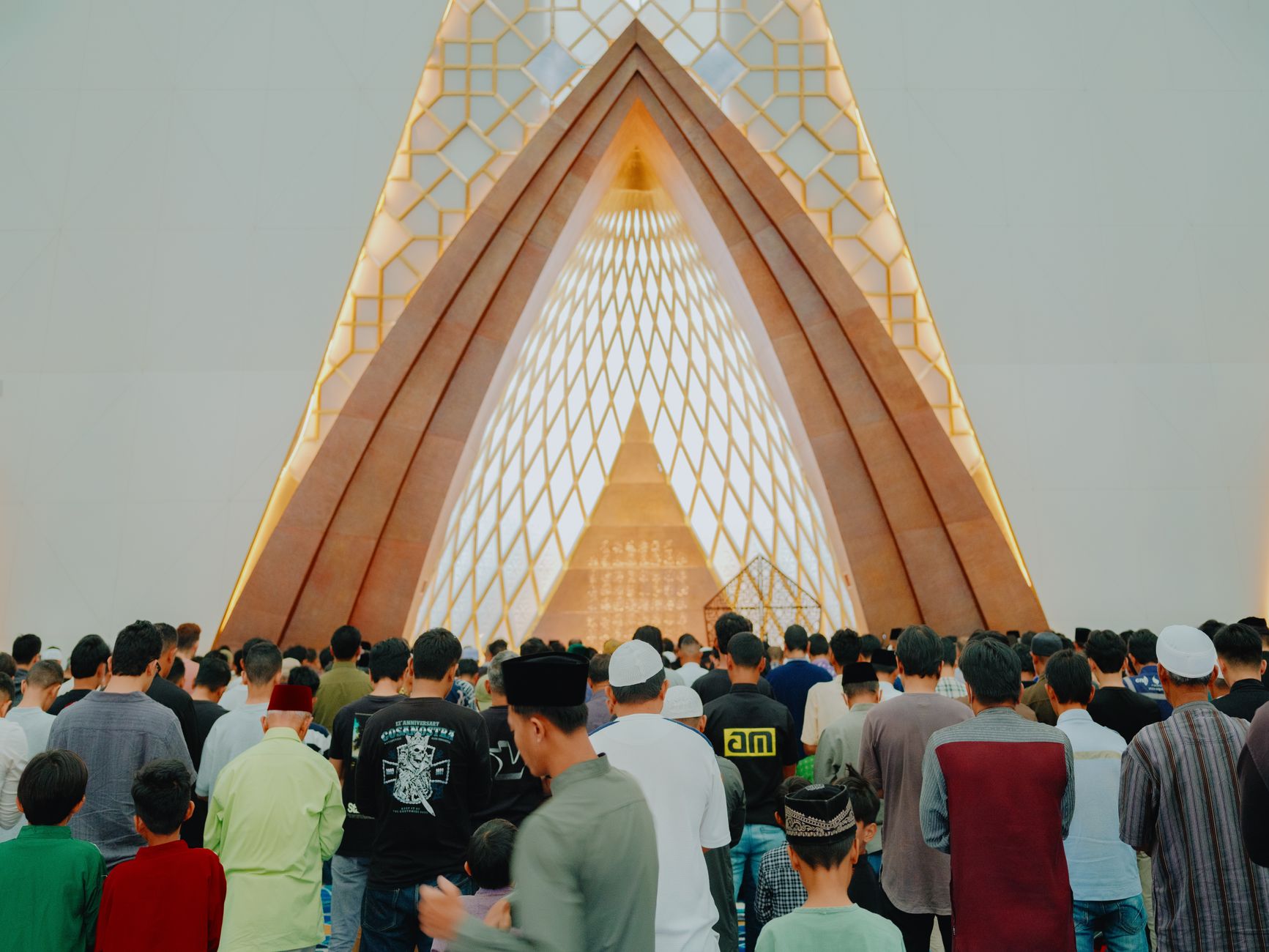
For centuries, the waqf — the Islamic endowment instrument through which land, buildings, and capital are held in perpetuity for public benefit — has underpinned hospitals, schools, and water infrastructure across the Muslim world. For much of the twentieth century, though, this trillion-dollar asset class sat largely dormant, weighed down by outdated legal frameworks, opaque governance, and a stubborn institutional reluctance to apply modern management discipline. That is now changing, and changing fast. Across the Gulf, Southeast Asia, and Sub-Saharan Africa, a new generation of Islamic finance professionals, family offices, and sovereign-linked institutions is reimagining the waqf — not as a relic of classical jurisprudence, but as a sophisticated vehicle for long-term capital deployment, one increasingly competitive with conventional philanthropic structures and patient-capital funds.
The Scale of the Opportunity
The numbers tell a complicated story. Estimates from the Islamic Development Bank place total waqf assets globally at between USD 1 trillion and USD 3 trillion, spanning real estate, agricultural land, and — in newer iterations — financial securities and cash endowments. Yet returns on these assets have historically been negligible. A 2023 study conducted in partnership with the World Bank found that the majority of registered waqf properties in OIC member states were either undeveloped, generating below-market yields, or trapped in protracted legal disputes. The productivity gap between waqf holdings and comparably structured charitable foundations in Western jurisdictions runs to hundreds of basis points annually. That is not a rounding error. It is a systemic failure.
For family offices managing multigenerational capital across the Gulf and Southeast Asia, that gap represents both a moral failing and a practical opening. Modernising even a fraction of this base — through professional asset management, sukuk issuance, and impact-oriented co-investment structures — could redirect tens of billions of dollars annually toward education, healthcare, and climate resilience in communities that conventional capital markets have long passed over.
Gulf Institutions Lead the Structural Shift
The momentum is most visible in the UAE and Saudi Arabia, where regulatory reform has moved in step with institutional ambition. Abu Dhabi's ADGM has positioned itself as the preferred domicile for next-generation waqf structures, offering a common law framework that sits comfortably alongside Shariah compliance requirements — a combination that family offices with cross-border mandates have found particularly compelling. That environment is not accidental. The same institutional infrastructure attracting vehicles like Alterra's USD 1.2 billion Opportunity Fund — announced in January 2026 with a USD 250 million contribution from BBVA and structured at ADGM — is now being studied closely by waqf administrators seeking governance models that can withstand international scrutiny.
In Saudi Arabia, the General Authority of Awqaf has facilitated the launch of investment waqf products linked to real estate development trusts in Riyadh and Jeddah. Some structures are yielding between 6 and 9 percent annually. When those returns flow back into waqf beneficiary programmes, the effect is striking — endowment capital that sat idle for decades is suddenly doing real work.
Family Offices and the Formalisation of Intent
The most consequential shift, however, is not happening at the regulatory level. It is happening inside the private offices of wealthy families who are restructuring legacy philanthropic activity into institutionally managed endowment vehicles. The June 2026 launch of Inmā Emirates Holdings by Sheikh Ahmed Dalmook Al Maktoum's family office is worth examining closely. The Dubai-based holding company was established specifically to consolidate impact-oriented investments — including a 1,200-megawatt green energy project in Pakistan and a 250-megawatt power plant in Ghana — under a single structure designed, in the company's own framing, to apply "institutional discipline to relationship-driven investing."
Inmā operates as a for-profit impact vehicle rather than a waqf. But its architecture mirrors precisely the governance principles that waqf reformers have spent years advocating: defined beneficiary mandates, measurable outcomes, and professional management accountable to an explicit investment thesis. For next-generation family members across the Gulf who are simultaneously managing inherited waqf obligations and newly created wealth, the Inmā model offers both a template and a signal. The two structures need not remain separate.
Southeast Asia's Quiet Leadership
Gulf developments draw the loudest commentary. Southeast Asia, though, has been executing waqf modernisation at scale for over a decade. Few outside the region have noticed. They should.
In Malaysia, the Johor Corporation's waqf fund — structured as a corporate waqf in partnership with Kumpulan Waqaf An-Nur — has generated consistent returns from healthcare and commercial property, demonstrating that waqf assets can be managed with the rigour of a diversified real asset portfolio. Singapore's Islamic Religious Council, MUIS, operates a cash waqf programme that pools contributions from individual donors and deploys them in Shariah-compliant instruments, distributing yields to mosques, madrasahs, and welfare organisations. The programme has accumulated more than SGD 200 million in assets and continues to grow at approximately 8 to 10 percent annually. That is a serious track record.
Indonesia, home to the world's largest Muslim population, passed sweeping waqf reform legislation in 2021 and has since seen the Badan Wakaf Indonesia register over 400,000 waqf locations for potential productive development. For family offices across Indonesia, Malaysia, and the Philippines, these structures represent credible, Shariah-aligned alternatives to conventional donor-advised funds — with the added advantage of perpetuity that resonates deeply with families thinking across generations rather than fiscal years.
What Sophisticated Donors and Investors Should Watch
Three developments warrant close attention in the near term. The first is the emergence of sukuk-linked waqf structures, where endowment capital deploys through Islamic bonds tied to infrastructure or green energy projects — creating a direct bridge between philanthropic intent and institutional-grade investment returns. The second is the growing appetite among Gulf sovereign-linked entities to co-invest alongside waqf administrators, bringing institutional due diligence standards into a sector that has historically operated with minimal external accountability. The third is subtler but potentially the most disruptive: digital waqf platforms now operating in Malaysia, the UAE, and increasingly in Nigeria and Kenya are opening endowment participation to a far wider base, allowing family offices to aggregate smaller contributions from extended family networks into meaningful capital pools.
For ultra-high-net-worth families across the Gulf, Central Asia, and Southeast Asia reviewing their philanthropic structures in 2026, the waqf is no longer simply an obligation inherited from a previous generation. Properly structured and professionally managed, it ranks among the most durable and tax-efficient mechanisms available for deploying capital in service of legacy. It is also one of the very few instruments capable of outlasting the family itself. That is not a small thing.
Written by
Amara Osei
Africa & Emerging Markets Correspondent · Philanthropy & Next Generation
Amara covers the philanthropists, foundation founders, and next-generation leaders building wealth and influence across Africa, Southeast Asia, and Central Asia. She has a particular eye for the family businesses handing the reins to a generation educated abroad and building at home. Based in Nairobi. Reach out at amara.osei@theplatinumcapital.com.