Healthcare Philanthropy Across the Middle East and Africa
As sovereign wealth funds and ultra-high-net-worth families across the Gulf and sub-Saharan Africa increasingly direct capital toward healthcare infrastructure, philanthropy is evolving from charitable gesture into a sophisticated vehicle for legacy building, social impact measurement, and long-term regional influence. For those commanding significant capital, understanding the strategic intersections between endowment structures, public-private partnerships, and emerging health economies across MEA represents not merely an ethical consideration, but a defining frontier of generational wealth stewardship.…
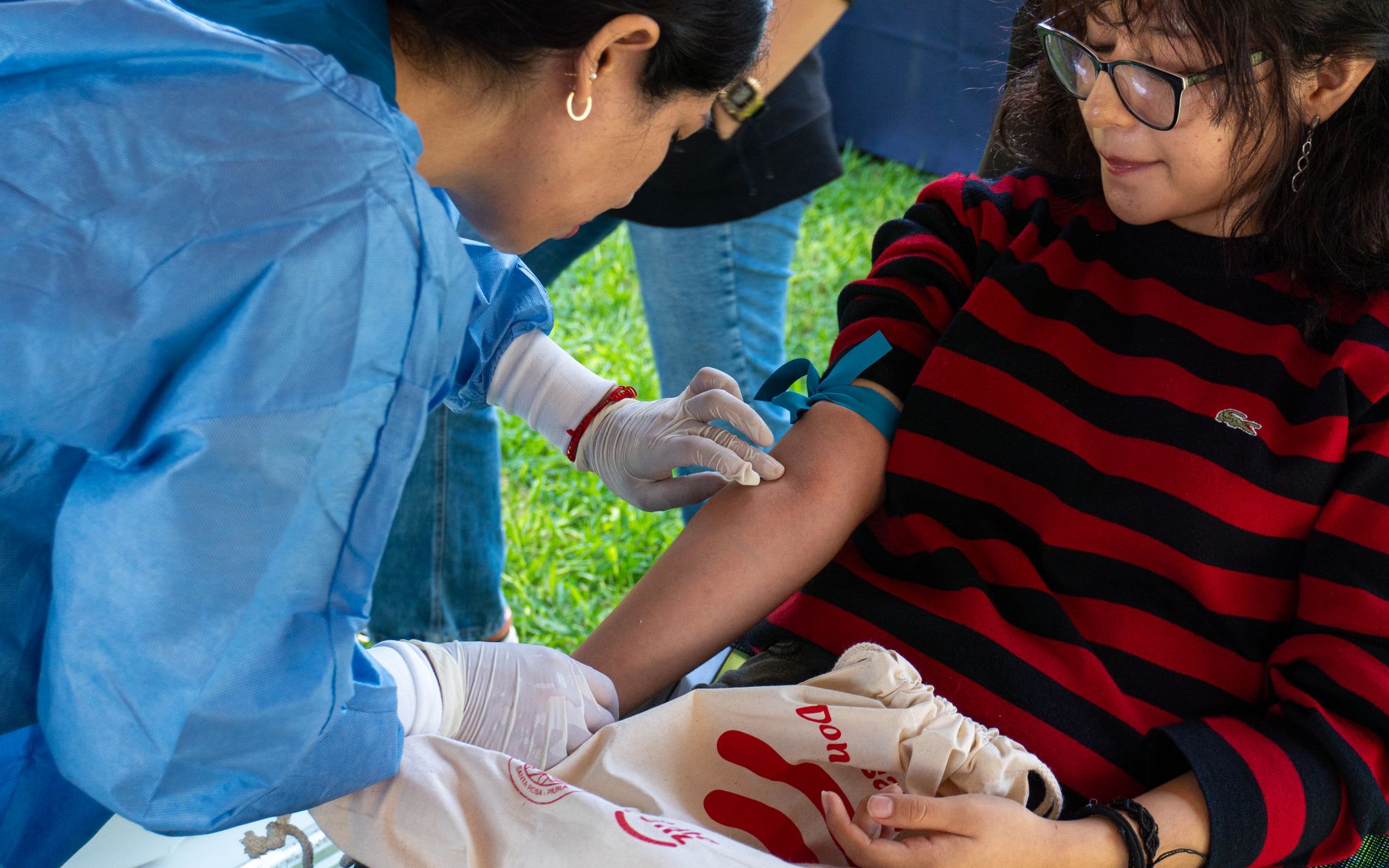
Across the Middle East and Africa, money is moving — quietly, but with real consequence. Philanthropic capital that once flowed through informal networks, religious giving structures, and government-linked foundations is being redirected, with growing precision, toward healthcare systems that serve hundreds of millions of chronically underserved people. The people driving this shift are not household names in Geneva or New York. They are family office principals in Abu Dhabi, foundation founders in Lagos, and next-generation business leaders in Nairobi who have decided that legacy is measured not in buildings, but in lives extended and diseases prevented.
The Gulf's Strategic Philanthropic Maturation
The clearest signal of where Gulf philanthropy is heading came from Badr Jafar. The CEO of Crescent Enterprises and one of the region's most articulate voices on strategic giving, Jafar was named to TIME's inaugural TIME100 Philanthropy list in 2025 and appointed as the UAE's Special Envoy for Business and Philanthropy. He has argued consistently that "philanthropy is a $2 trillion per year sector" sitting on the edge of transformation — shifting from reactive generosity toward evidence-based, impact-driven deployment. His tenure as COP28 Special Representative produced a Business and Philanthropy Climate Forum that convened more than 1,300 CEOs and foundation heads from over 80 countries, generating $7 billion in new commitments. That is a significant number. The model behind it — convening, catalysing, co-investing — is now being transposed directly onto health. The Pearl Initiative, which Jafar co-founded, has grown increasingly vocal about the governance standards that health-focused philanthropies in the Gulf must adopt if they want to move beyond project-level interventions and start influencing national health policy.
The UAE's broader institutional posture reinforces this direction. Alterra, Abu Dhabi's $30 billion climate investment vehicle, launched a $1.2 billion co-investment vehicle with BBVA in January 2026, structured through ADGM, with BlackRock, Brookfield, and TPG already on board as partners. Alterra's mandate is climate-focused. But the structural innovation it represents — a sovereign-backed fund of funds designed to mobilise private and institutional capital at scale — is being studied carefully by health philanthropists seeking analogous vehicles for pandemic preparedness, primary care infrastructure, and pharmaceutical access across the Global South. The architecture is transferable. The question is who moves first.
Africa's Emerging Health Philanthropy Architecture
On the African continent, the healthcare philanthropy story is playing out across three distinct axes: local high-net-worth giving, diaspora capital, and institutional co-funding structures. Nigeria alone has seen a notable uptick in private health endowments, with several Lagos-based family offices quietly increasing allocations toward maternal health, oncology infrastructure, and diagnostic capacity. Kenya's philanthropic community, historically anchored in education, has pivoted meaningfully toward healthcare — several Nairobi-based foundations are now channelling capital into community health worker programmes and last-mile drug delivery networks in rural counties.
Egypt and Morocco represent a different model entirely. In both countries, business families with multi-generational wealth — including those with interests in construction, banking, and retail — have established or expanded hospital foundations that operate as semi-commercial entities, cross-subsidising free care for low-income patients with revenue from private wards. This hybrid model, blending philanthropy with social enterprise logic, is attracting serious attention from global health investors who see it as far more durable than grant-dependent NGO structures. Few outside the region have noticed. They should. The Aga Khan Health Services remains the most sophisticated example of this architecture — managing health facilities across eleven countries, with extensive operations across East Africa and significant presence in Egypt, at a level of institutional discipline that most purely philanthropic organisations cannot match.
Where Capital Is Moving — and Why It Matters
Several specific areas are drawing disproportionate philanthropic attention across the MEA corridor. Oncology is one. The World Health Organization projects that cancer rates in Africa will nearly double by 2040, yet the continent accounts for less than 4% of global radiotherapy capacity. That gap has become a focal point for foundations affiliated with mining and natural resources wealth in southern Africa, where the link between industrial communities and cancer incidence creates both moral urgency and reputational incentive. In South Africa, private foundations tied to mining and financial services families have begun funding radiotherapy units in partnership with provincial health departments — placing philanthropic capital alongside government infrastructure in a way that multiplies impact without duplicating effort. It is a cleaner arrangement than most donors manage.
Mental health is the second major frontier. Across the Gulf, where stigma runs deep and institutional provision remains severely limited, a small number of royal family-affiliated foundations have begun funding community mental health programmes — with considerable discretion. The Omani and Bahraini health ministries have both signalled openness to philanthropic partnerships in this space, recognising that government provision alone cannot meet rapidly growing demand among younger populations dealing with post-pandemic anxiety, economic pressure, and social dislocation. Private wealth holders in these markets can move faster than public systems. Several are beginning to do exactly that.
Structural Challenges That Philanthropists Must Confront
The momentum is real. So are the constraints. Across much of sub-Saharan Africa, the absence of robust legal frameworks for philanthropic vehicles means high-net-worth individuals routinely route health giving through foreign foundations or informal trust arrangements — a workaround that limits scalability and reduces accountability. Kenya and Rwanda have made the most meaningful regulatory progress, but building the legal and fiscal architecture that genuinely incentivises domestic philanthropic capital remains unresolved across most of the continent. That is not a small problem. It is the central one.
In the Gulf, the challenge looks different. Capital is available. Institutions exist. What is frequently missing is the evidence infrastructure — independent data, evaluation frameworks, outcome measurement systems — that allows donors to move from intuitive giving to strategic allocation. Jafar's consistent emphasis on evidence-based philanthropy speaks directly to this gap. The Gulf's next wave of health philanthropists will not be defined by the size of their gifts. They will be defined by their willingness to demand — and fund — the measurement systems that prove impact.
The Forward Opportunity for Private Wealth Holders
For family offices and private investors operating across the MEA corridor, healthcare philanthropy in 2026 represents something it has rarely been before: a structured opportunity with multiple entry points. Blended finance vehicles, co-investment alongside multilateral development banks, hospital foundation partnerships — all of these offer routes to meaningful impact without sacrificing governance or transparency. The Abu Dhabi model of institutional co-investment, exemplified by Alterra's approach of anchoring private capital alongside sovereign commitments, is creating a template that health-focused philanthropists across the region are beginning to adapt.
The families and foundations that move with intention now — building portfolios of health investments that combine grant capital, concessional debt, and equity — will do more than shape healthcare outcomes across two of the world's fastest-growing regions. They will define what serious philanthropic leadership looks like for the generation that follows them. That is not a small thing to get right.
Written by
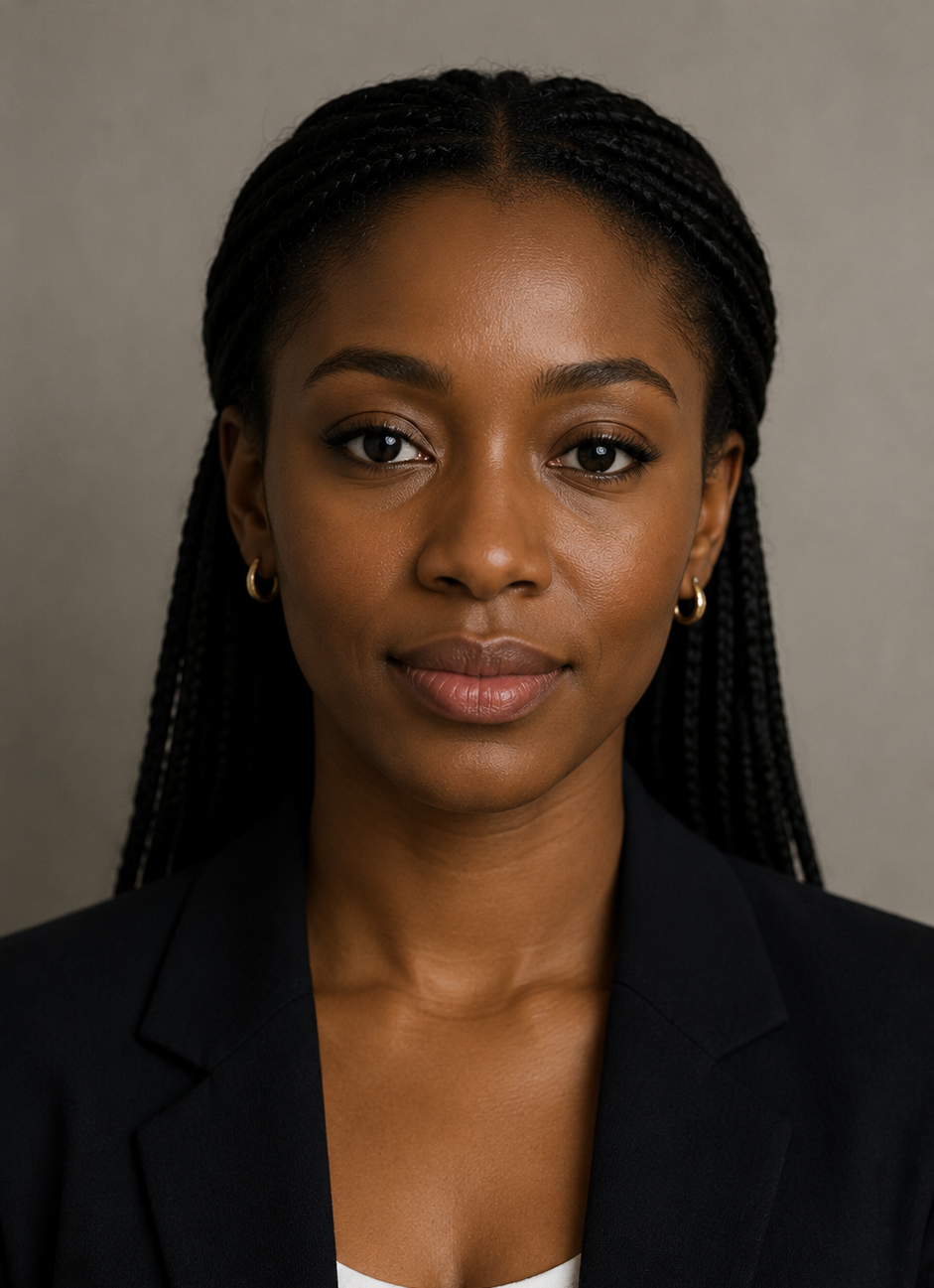
Amara Osei
Africa & Emerging Markets Correspondent · Philanthropy & Next Generation
Amara covers the philanthropists, foundation founders, and next-generation leaders building wealth and influence across Africa, Southeast Asia, and Central Asia. She has a particular eye for the family businesses handing the reins to a generation educated abroad and building at home. Based in Nairobi. Reach out at amara.osei@theplatinumcapital.com.