

The Luxury Fragrance Houses of the Arabian Gulf
The ancient trade routes that once carried frankincense and oud across continents have given rise to a new generation of Gulf-based fragrance houses, commanding valuations that rival established European maisons and attracting the discerning capital of sovereign wealth funds and ultra-high-net-worth collectors alike. From the artisan ateliers of Dubai's Design District to the heritage workshops of Muscat and Riyadh, these enterprises represent not merely a cultural renaissance but a sophisticated asset class where scarcity, provenance, and generational brand equity converge to deliver returns that transcend the purely financial.…
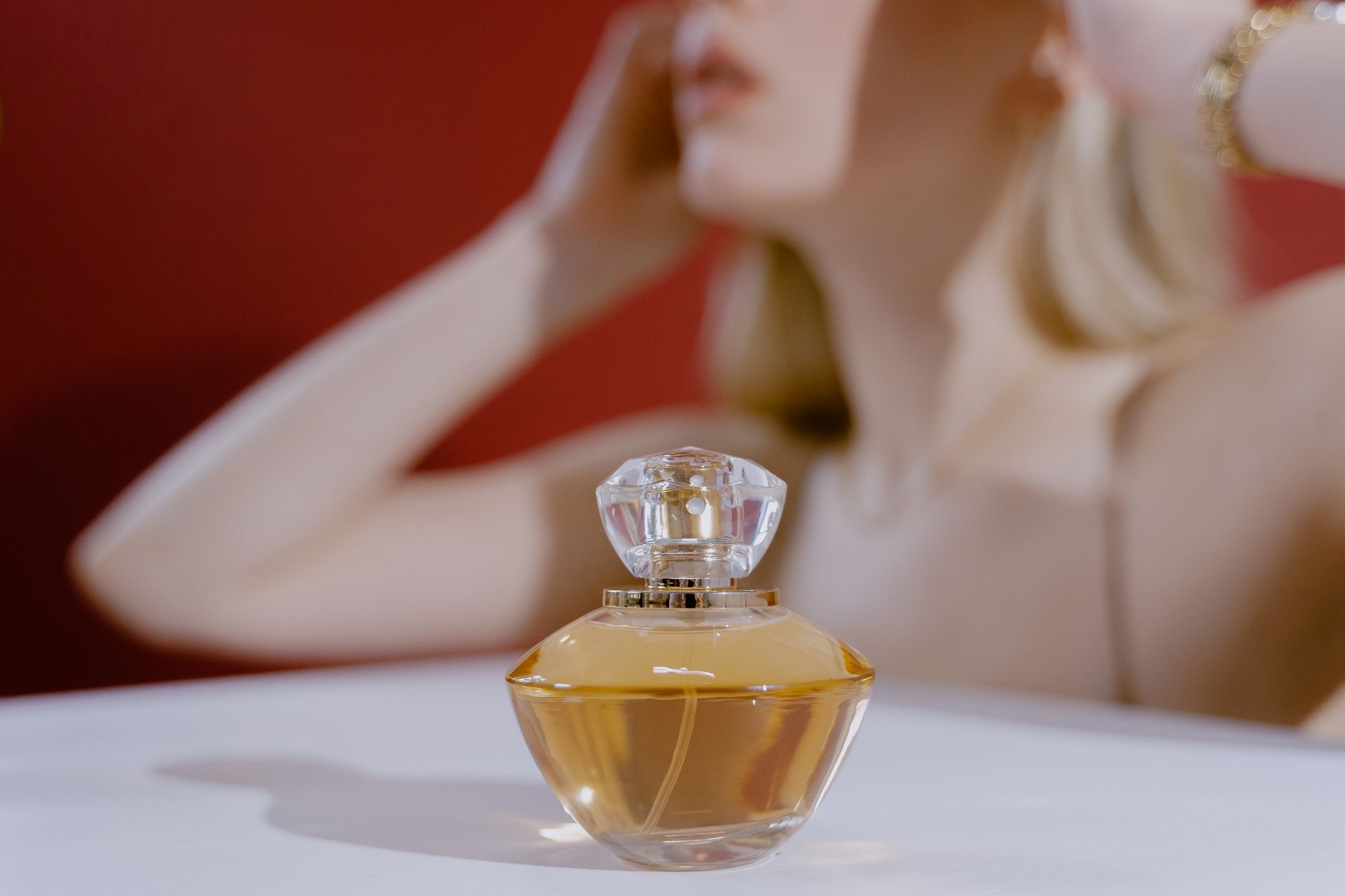
In the same city where a single penthouse at Bugatti Residences by Binghatti sold for AED 550 million in December 2025 — the largest residential transaction in Middle Eastern history — a quieter luxury revolution has been unfolding at street level, or rather, at the wrist and collar. Gulf fragrance houses have moved well past boutique curiosity. They are serious players in a global luxury conversation that Paris and Milan once owned outright. For the region's expanding ultra-high-net-worth class — Knight Frank projects UAE UHNW numbers will climb from 4,851 to 6,588 between 2026 and 2031 — scent has become as deliberate a statement of identity as a Jumeirah Bay Island villa or a berth at ExecuJet's new airside suite at Al Maktoum International.
The Oud Renaissance: Ancient Ingredient, Contemporary Ambition
No conversation about Gulf fragrance starts anywhere other than oud. The resinous heartwood of the Aquilaria tree, infected by a specific mould, aged across decades, priced by the gram in ways that rival certain precious metals. What has shifted over the past decade is not the reverence for oud itself — that never wavered — but the sophistication with which Gulf houses are presenting it to the world. Amouage, founded in Muscat in 1983 under the patronage of the late Sultan Qaboos bin Said and now headquartered across Oman and the UAE, has travelled a long road from gifting house for visiting dignitaries to a brand with genuine international distribution and a collector following stretching from Nairobi to Kuala Lumpur. Its Library Collection, limited-edition compositions priced well above USD 500 per bottle, speaks directly to the UHNW buyer for whom scarcity and craft carry more weight than logo recognition. That is a significant shift from where Arabian perfumery sat in the global luxury hierarchy even fifteen years ago.
The broader Gulf oud market generates revenues estimated to exceed USD 4 billion annually, with Saudi Arabia and the UAE absorbing the majority of regional consumption. Premium raw oud from Cambodian and Indian Aquilaria trees now regularly trades between USD 30,000 and USD 100,000 per kilogram among specialist suppliers. That price architecture has accelerated consumer appetite rather than suppressed it — a dynamic that defies conventional luxury economics and tells you something important about how deeply oud is embedded in Gulf identity. These houses are not simply selling perfume. They are selling access to a commodity ecosystem most of the world cannot begin to decipher.
The Houses Redefining Arabian Prestige
Alongside Amouage, a second generation of Gulf fragrance houses has built a quiet but formidable presence. Rasasi, a Dubai-founded house with roots stretching back to 1979, has assembled a portfolio running from accessible retail to premium bespoke — supplying hotel amenity lines, private label compositions for regional royal households, and everything in between. Its La Yuqawam collection, rooted in traditional mukhallat blending techniques, has drawn buyers from Morocco, Nigeria, and Indonesia. Few outside the region have paid close attention to that geographic spread. They should. It signals something: Arabian aesthetic codes carry cultural resonance well beyond the Gulf's own borders, and Rasasi has been quietly harvesting that appetite for years.
In Saudi Arabia, the transformation runs deeper. Riyadh-based Anfasic Dokhoon has expanded aggressively alongside Vision 2030's cultural liberalisation agenda, opening flagship boutiques in the Kingdom's new mixed-use destinations and positioning itself within the same spending universe as international luxury retail. Abdul Samad Al Qurashi — founded in Mecca in 1852 and arguably the oldest continuously operating fragrance institution in the Arab world — has been undergoing careful modernisation, updating its retail experience while holding onto the historical authority that no foreign competitor can replicate or purchase. For Gulf family offices with luxury retail interests, brands of that vintage represent something specific: not just cultural heritage, but genuine commercial IP with a provenance story that money alone cannot manufacture.
Bespoke Culture and the UHNW Client
At the most elite tier, what separates Gulf fragrance from the broader premium market is the bespoke commissions culture. This is not a recent marketing invention. It is a practice rooted in Gulf hospitality traditions, now formalised into structured luxury services with pricing to match. Several Emirati and Saudi perfumers run private consultation programmes starting at USD 10,000, producing exclusive personal compositions that are never reproduced — the olfactory equivalent of a couture commission. The most prestigious engagements, typically arranged through intermediaries or family office managers, can exceed USD 100,000 when rare-grade oud, aged Taif rose from Saudi Arabia, or sustainably sourced Mysore sandalwood are specified.
The numbers tell a complicated story about who this client actually is. The same buyer signing off on an AED 422 million residence at Aman Residences, or conducting meetings in ExecuJet's airside cigar lounge at Al Maktoum International, is increasingly the buyer engaging a personal perfumer on a standing retainer. Scent functions here as a final layer of personal curation — one that cannot be photographed, listed on a property portal, or tracked by a competitor's research team. In a world where every other asset a UHNW individual owns is visible, discoverable, or benchmarkable, that invisibility carries its own premium.
International Expansion and the New Gulf Fragrance Diplomacy
Gulf fragrance houses are now running distribution strategies that mirror the region's broader economic diplomacy. Amouage operates standalone boutiques in London, New York, and Paris. Rasasi holds shelf space in premium retail environments across Southeast Asia and East Africa. Several emerging Emirati houses have established wholesale relationships with multi-brand concept stores in Almaty, Jakarta, and Lagos — cities where a growing affluent class is actively building an appetite for Arabian aesthetic codes as markers of sophisticated, non-Western luxury identity.
The timing is not accidental. Dubai's real estate sector recorded over AED 180 billion in Q1 2026 transactions — 2,148 deals above AED 10 million, a 62.6 percent year-on-year increase per Engel and Völkers data. That volume reflects the city's gravitational pull on global wealth, and that pull elevates every luxury category associated with it. International buyers acquiring property in Business Bay or Jumeirah Bay Island are not simply buying square metres. They are buying into an ecosystem. Gulf fragrance is increasingly part of that ecosystem's cultural vocabulary, and the houses that understood this early have positioned themselves accordingly.
Capital, Legacy, and the Investment Case
For family offices and private investors operating across the Gulf and its extended influence networks, the luxury fragrance sector presents a genuine — and still under-examined — investment thesis. Unlike most luxury sub-categories, Gulf houses control rare raw material relationships: oud sourcing networks, Taif rose cultivation contracts, sandalwood supply agreements. These represent structural competitive advantages that outside capital cannot easily replicate or displace. Several of the region's larger fragrance groups have received expressions of interest from European luxury conglomerates. Few principals have shown appetite for diluting control. That restraint is telling.
The more compelling opportunity may sit one tier below — in the next generation of independent houses emerging from Dubai's creative economy, smaller and more conceptually driven, already building audiences across Central Asia, sub-Saharan Africa, and Southeast Asia at the same time. Patient capital, combined with genuine access to the region's private deal flow, could back one of these names at the right moment. The financial upside is real. So is something harder to quantify: the position of having underwritten a chapter in Arabia's continuing cultural projection onto the world. For the right investor, that combination is difficult to find elsewhere.
Written by
Khalid Al-Rashidi
Gulf & Middle East Correspondent · Emerging & Strategic Wealth
Khalid covers the family offices, luxury operators, and strategic capital moving across the GCC and wider Arab world — often before the rest of the region notices. He's spent years tracking how Gulf wealth structures itself for the next generation, from residency programmes to private aviation. Based between Dubai and Riyadh. Reach out at khalid.al-rashidi@theplatinumcapital.com.