

Saudi Female Founders Building Serious Businesses
Saudi Arabia's Vision 2030 has quietly engineered one of the most consequential shifts in regional entrepreneurship, with a new generation of female founders commanding eight-figure valuations across fintech, healthtech, and luxury consumer brands. For family offices and sovereign-aligned investors seeking asymmetric exposure to the Kingdom's consumption transformation, these ventures represent not a social narrative but a serious capital allocation opportunity.…
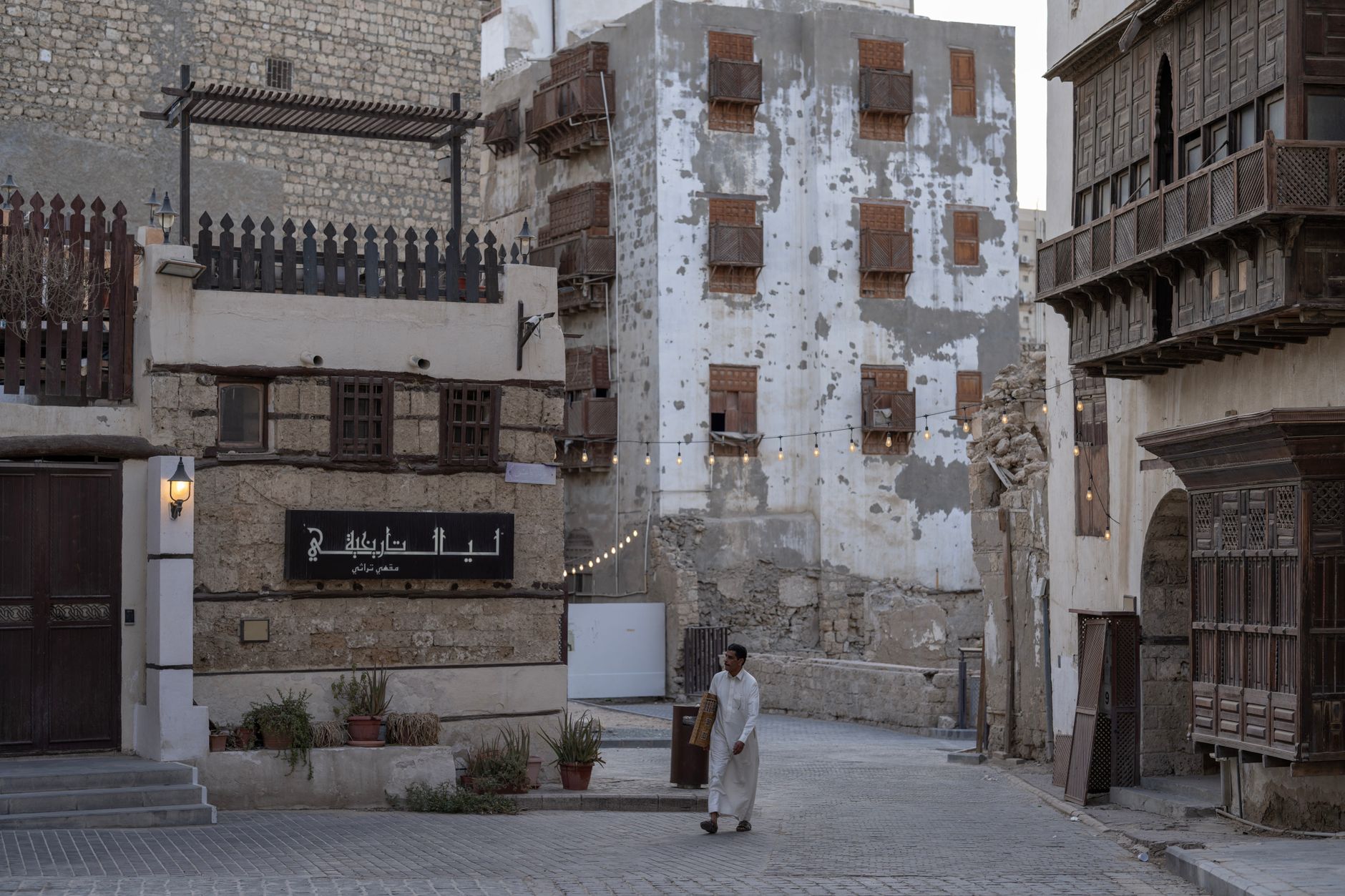
For decades, the story of Saudi business rested on two pillars: oil dynasties and male-led conglomerates. That story is being rewritten — not incrementally, but with the kind of structural permanence that serious capital takes notice of. Across Riyadh, Jeddah, and the Eastern Province, a generation of Saudi women are not merely participating in the Kingdom's economic transformation. They are funding it, building it, and in several cases, defining it. The businesses they are constructing are not lifestyle ventures or social media-adjacent startups. They are capitalized companies operating in fintech, healthcare, logistics, education technology, and consumer retail — sectors sitting at the precise intersection of Vision 2030 ambition and genuine market demand.
The Numbers Behind the Shift
Female workforce participation in Saudi Arabia climbed from approximately 17% in 2017 to over 33% by mid-2026, according to the General Authority for Statistics — surpassing the Vision 2030 target of 30% ahead of schedule. But participation figures alone obscure the more significant story. The Saudi Small and Medium Enterprises General Authority (Monsha'at) reported in its 2025 annual review that women-led ventures now account for nearly 42% of newly registered SMEs in the Kingdom. A figure that would have been unthinkable a decade ago. More consequentially, a cohort within that group has moved decisively beyond the SME designation — raising institutional rounds, attracting Gulf-based family office backing, and in several cases, beginning to pursue regional expansion across the GCC and into Egypt and Morocco. The rise in female-led capital formation is the real story here. The workforce numbers are just the headline.
The Founders Commanding Attention
Among the most closely watched names in Riyadh's investment circles is Lujain Al-Qasim, co-founder of Tamkeen Health, a digital-first women's healthcare platform that completed a SAR 85 million Series B in early 2026, co-led by STV and a Bahrain-based family office. The round values the company at just over SAR 400 million — a meaningful number for a business that launched in 2021. Al-Qasim built around a structural gap that larger players had consistently overlooked: the intersection of cultural privacy, digital access, and chronic underprovision of women's health services across the Gulf. Tamkeen is now in active discussions on expansion into the UAE and Kuwait, with a reported interest from a Kuwaiti sovereign-aligned fund. Watch that deal closely.
In fintech, Ghada Al-Mutairi's Wafra Pay has emerged as one of the more serious BNPL and embedded finance operators targeting the Kingdom's expanding middle-class consumer base. The company processed over SAR 1.2 billion in transaction volume in the twelve months to June 2026 and secured a full payments institution license from the Saudi Central Bank (SAMA) — a regulatory milestone that puts it in direct competition with established regional players. Al-Mutairi previously held a senior role at Riyad Bank. That institutional background matters. GCC family offices have grown increasingly drawn to a specific founder profile: domain expertise, regulatory literacy, and a capital-efficient operating model. Al-Mutairi delivers all three.
Capital Is Following Conviction
What has changed most materially is where the money is coming from. Saudi female founders in earlier cohorts were largely dependent on angel networks, government grants from Monsha'at and the Saudi Venture Capital Company (SVC), or bootstrap models. The 2026 picture is considerably more sophisticated. Regional venture capital firms — including STV, Wa'ed Ventures, and Impact46 — have each made visible bets on women-led businesses over the past eighteen months. That alone would be notable. What is more telling is the family office movement.
Several large Saudi family offices, whose principals have historically confined their venture exposure to real estate and listed equities, have begun allocating meaningfully into growth-stage companies led by female founders. This is not philanthropic positioning. It reflects a straightforward read of market data: consumer-facing businesses in Saudi Arabia, particularly those addressing female consumers, are structurally underserved and growing fast. The logic is commercial. Full stop.
The regional context sharpens that logic further. Mastercard's $1.8 billion acquisition of South African stablecoin startup BVNK in March 2026 — creating three instant billionaires in Jesse Hemson-Struthers, Donald Jackson, and Chris Harmse — reminded Gulf-based investors with uncomfortable clarity what early-stage conviction in emerging market fintech can yield. Then in May 2026, Vista Equity Partners, Robert F. Smith's technology-focused private equity firm, opened its first Middle East office in Abu Dhabi. Global institutional capital is recalibrating toward this region. That recalibration creates a rising tide — and Saudi female founders building scalable, tech-enabled businesses are positioned directly in its path.
The Sectors Generating the Most Serious Businesses
Healthcare and education technology account for a disproportionate share of the most substantive companies being built by Saudi women in 2026. Both sectors benefit from large addressable markets, government spending tailwinds, and founders who entered with genuine sectoral expertise rather than opportunistic market timing. That last point matters more than most investors acknowledge.
In edtech, platforms targeting adult reskilling and professional certification — components that sit at the core of Vision 2030's human capital agenda — have attracted early traction across both B2C and B2B models. Noura Al-Harbi, a Jeddah-based founder, runs Mafhoum, a platform targeting Arabic-language professional upskilling. She closed a SAR 30 million seed extension in April 2026 and has signed institutional agreements with three Saudi government ministries. Few outside the Kingdom have registered that name yet. They should.
Logistics and supply chain are equally active. Female-founded last-mile delivery and cold chain operations have found fertile ground in the Kingdom's rapidly evolving retail and food service markets — areas where NEOM-driven infrastructure investment meets rising domestic consumption. The commercial opportunity there is durable, not cyclical.
What Family Offices and Investors Should Watch
For family office principals and private investors operating across the GCC, the opportunity is not abstract. Saudi Arabia's non-oil GDP grew at 4.4% in 2025. The sectors where female-founded businesses are most concentrated — healthcare services, fintech, consumer technology, and education — are precisely the sectors receiving the most consistent government demand stimulus. Companies in these verticals with strong unit economics, regulatory licenses secured, and proven founder-market fit represent a category that most regional portfolios have systematically underweighted.
The risk-adjusted case is compelling. The cultural moment is real. And the founders building within it are no longer asking for validation — they are delivering returns and raising their next rounds on their own terms. The question for capital is straightforward: participate early, or watch from the outside as these businesses grow into the regional champions they are clearly capable of becoming. That is a decision with a shelf life.
Written by
Khalid Al-Rashidi
Gulf & Middle East Correspondent · Emerging & Strategic Wealth
Khalid covers the family offices, luxury operators, and strategic capital moving across the GCC and wider Arab world — often before the rest of the region notices. He's spent years tracking how Gulf wealth structures itself for the next generation, from residency programmes to private aviation. Based between Dubai and Riyadh. Reach out at khalid.al-rashidi@theplatinumcapital.com.