

Hussain Sajwani: The DAMAC Billionaire Who Built Dubai's Luxury Skyline
Hussain Sajwani transformed a barren desert landscape into one of the world's most recognizable luxury real estate empires, building DAMAC Properties from a single catering venture into a multi-billion-dollar dynasty that has permanently reshaped Dubai's architectural identity. His story is not merely one of personal fortune, but a masterclass in timing sovereign ambition, reading capital migration patterns, and positioning branded luxury at the precise intersection of Eastern wealth and Western aspiration.…
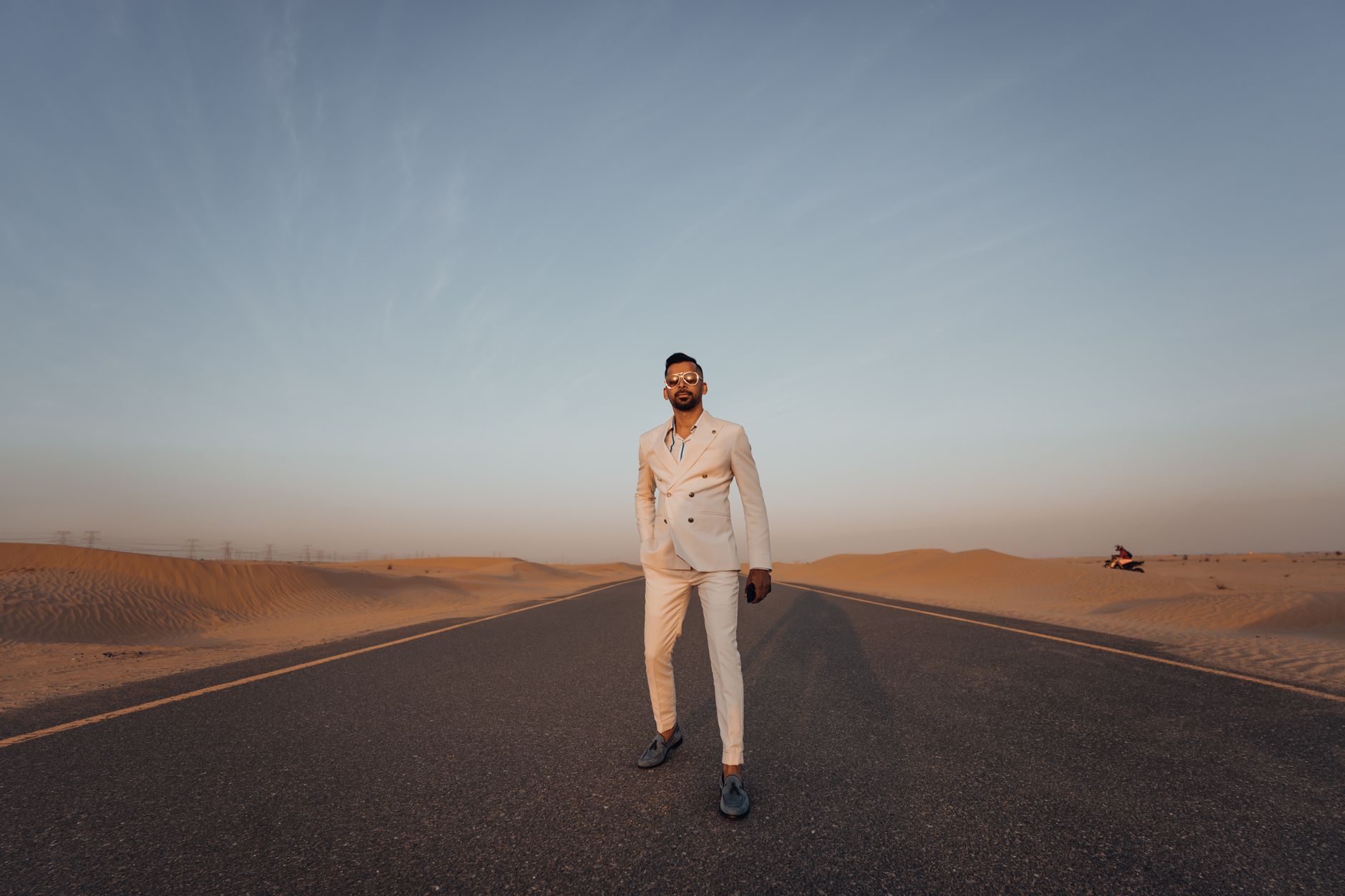
In a city built on ambition, few names carry the architectural and commercial weight of Hussain Sajwani. The founder and chairman of DAMAC Properties has spent three decades quietly engineering one of the most consequential private real estate empires the Arab world has ever produced. In mid-2026, with Dubai's luxury property market recording its strongest half-year transaction volumes since records began, his moment feels more relevant than ever. Sajwani is not merely a developer. He is, in the truest sense, the man who gave Dubai's skyline its silhouette.
From Catering Contracts to Concrete Empires
Sajwani's origin story is rarely told with the nuance it deserves. Born in Dubai in 1955 to a modest trading family with roots in the Shihhi tribe, he studied at the University of Washington before returning to the Gulf in the early 1980s — not to real estate, but to catering. His company, DAMAC Group's predecessor entity, supplied food services to the US military and major construction projects flooding into the region during the oil boom. Call it what it was: a master class in reading infrastructure cycles. Where money pours in, logistics follow. The profits from those catering contracts seeded his first land acquisitions in Dubai at a time when freehold property for foreigners was a distant concept.
When the UAE opened property ownership to expatriates in 2002, Sajwani moved faster than almost anyone. DAMAC Properties launched that year, and within 18 months the company had sold out its first residential project before a single foundation had been laid. That instinct for timing — for recognising when a market is structurally about to shift — would become the defining characteristic of everything that followed.
Building the Brand: From Towers to Trump
DAMAC's identity was never just residential. Sajwani understood early that in the Gulf, luxury real estate functions as much as a statement of aspiration as it does an asset class. He pursued international brand partnerships aggressively: Versace Home, Fendi Casa, Cavalli, and most consequentially, The Trump Organization. The DAMAC Hills golf community, built in partnership with Donald Trump and spanning over 42 million square feet, became one of the most discussed real estate ventures in the Middle East throughout the 2010s. Critics questioned the optics. Investors watched the sales numbers. DAMAC sold out phases at a pace that silenced most sceptics.
Today, DAMAC's portfolio includes over 46,000 delivered units across the UAE, Saudi Arabia, Qatar, Jordan, Lebanon, and the United Kingdom. The London push — anchored through its acquisition of Nine Elms development sites — reflects Sajwani's deliberate bid to position DAMAC not as a regional developer, but as a global luxury brand headquartered in Dubai. That distinction matters. Family offices and private investors evaluating long-term capital allocation into real estate platforms, rather than individual assets, are paying attention to exactly this kind of repositioning.
The 2026 Market Moment — And Why It Favours DAMAC
Dubai's residential market in the first half of 2026 has been exceptional by any measure. Prime areas — Palm Jumeirah, Downtown Dubai, Dubai Hills, and the emerging DAMAC Lagoons community — have recorded per-square-foot value increases of between 14 and 22 percent year-on-year. The buyers driving this are European, South Asian, and increasingly African high-net-worth individuals. Sajwani has said publicly what the data already shows: Dubai is no longer attracting transient capital. It is attracting multigenerational wealth. Family offices from Lagos to Nairobi, from Karachi to Almaty, are purchasing not as a hedge but as a primary base. That is a significant shift.
It fits squarely within a broader GCC capital story. As Aliko Dangote accelerates a $4.2 billion East Africa fertiliser project and pushes his Nigerian refinery toward 1.4 million barrels per day, the spillover effect on African ultra-high-net-worth individuals is tangible — and Dubai is the preferred gateway for that wealth as it internationalises. Meanwhile, Qatar's business elite, including QNB Group CEO Abdulla Mubarak Al-Khalifa, whose institution manages assets exceeding $50 billion, and Ooredoo's Aziz Aluthman Fakhroo, are deepening Gulf financial infrastructure in ways that raise the floor of liquidity available to luxury real estate. DAMAC sits squarely in the path of that capital.
Sajwani's own net worth — estimated at approximately $4.5 to $5 billion in mid-2026 — reflects not just asset appreciation but a carefully constructed private holding structure that gives him flexibility most listed developers cannot access. DAMAC went private again in 2022 after a brief stint on the Dubai Financial Market. The move drew scrutiny at the time. It has since been widely read as strategically astute, freeing management to prioritise long-term capital deployment over the tyranny of quarterly earnings cycles.
Saudi Arabia, Data Centres, and the Next Frontier
Sajwani has made no secret of his conviction that Saudi Arabia represents the most significant real estate opportunity of the next decade. DAMAC has active projects in Riyadh and has held advanced conversations regarding developments tied to the Kingdom's Vision 2030 giga-projects. NEOM and Diriyah Gate capture the global headlines. But private developers like DAMAC see the most immediate commercial runway in secondary premium residential demand — Riyadh's northern districts, Jeddah's waterfront zone. Few outside the region have focused there. They should.
Less discussed, but increasingly central to Sajwani's thinking, is data infrastructure. In 2024, DAMAC announced a $1 billion initiative to develop data centres across the Middle East and the broader emerging markets corridor. The move places the group at the intersection of physical real estate and digital infrastructure. Sovereign wealth funds and private capital are collectively deploying tens of billions into AI and cloud infrastructure across this region. A credible real estate operator sitting on strategic land banks holds an asymmetric advantage in that race. Sajwani appears to understand this entirely.
Legacy, Discretion, and the Architecture of Lasting Wealth
What separates Sajwani from many of his peers is a studied restraint in how he conducts himself publicly. He does not appear on every panel. He does not issue monthly statements. He builds, sells, and reinvests — and speaks when the deal is done. The numbers tell a complicated story of compounding discipline. For family offices and private investors seeking alignment with operators who think across generations rather than quarters, this quality is not incidental. It is the signal.
His philanthropic record — significant contributions during the COVID-19 crisis, educational endowments across the UAE — reflects a model of wealth stewardship increasingly common among Gulf entrepreneurs of his generation: visible enough to carry social weight, private enough to preserve strategic optionality. As Dubai consolidates its position as the world's fastest-growing wealth hub by resident billionaire count, the DAMAC story is nowhere near its final chapter. For anyone tracking where private capital in the Gulf is being built, concentrated, and held across generations, Hussain Sajwani remains one of the most instructive figures to watch closely.
Written by
Khalid Al-Rashidi
Gulf & Middle East Correspondent · Emerging & Strategic Wealth
Khalid covers the family offices, luxury operators, and strategic capital moving across the GCC and wider Arab world — often before the rest of the region notices. He's spent years tracking how Gulf wealth structures itself for the next generation, from residency programmes to private aviation. Based between Dubai and Riyadh. Reach out at khalid.al-rashidi@theplatinumcapital.com.