

Digital Islamic Banks: The New Players Winning Young Gulf Clients
As digital Islamic banks reshape the Gulf's financial landscape, a new generation of Sharia-compliant fintech challengers is capturing the loyalty of young, high-net-worth clients who demand seamless mobile experiences without compromising on faith-aligned principles. For investors and family offices positioning capital across the region, understanding which platforms are gaining irreversible traction — and why legacy institutions are struggling to respond — has become a matter of strategic urgency.…
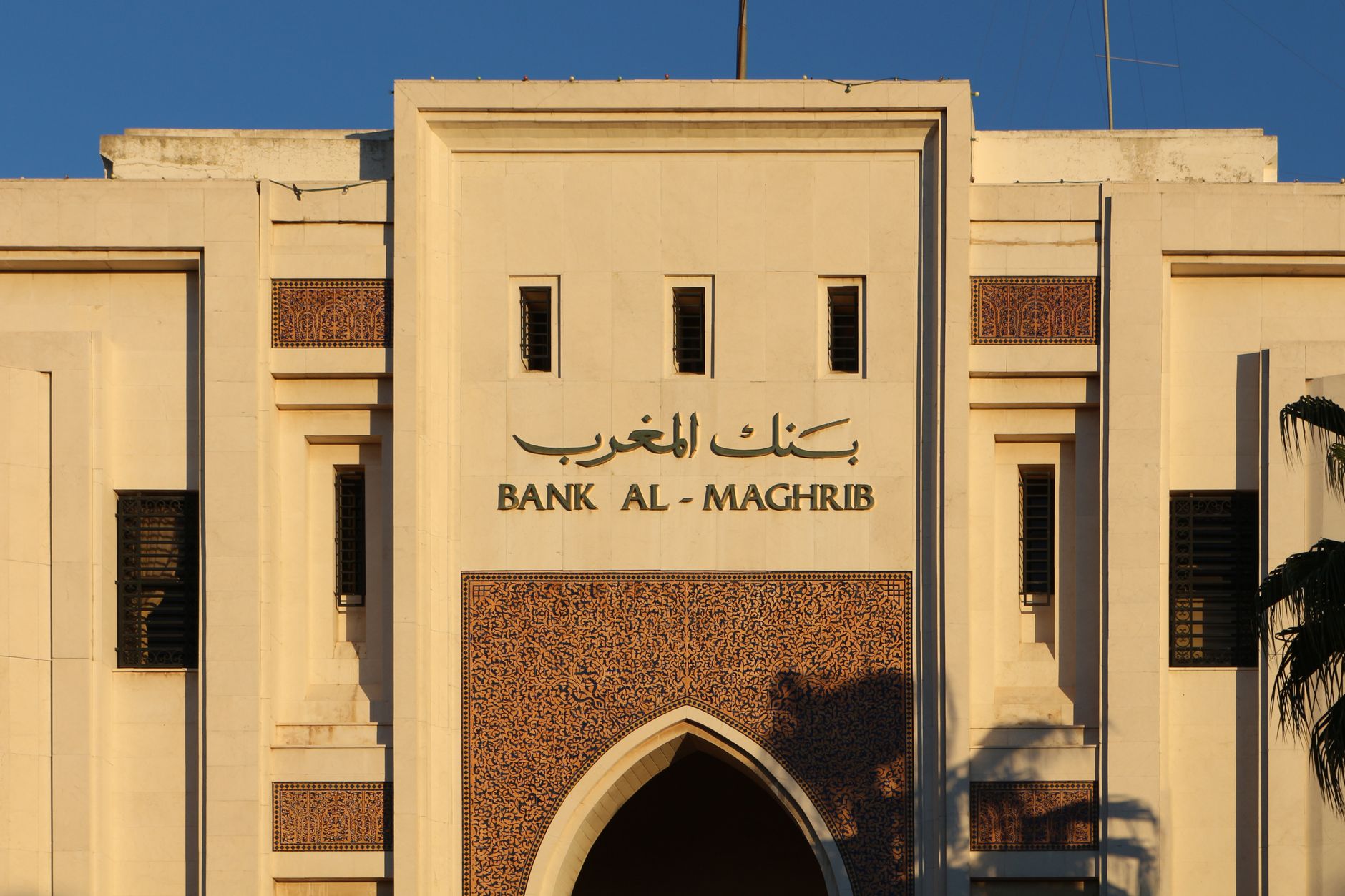
While First Abu Dhabi Bank was distributing a record AED 8.84 billion dividend to shareholders in March 2026 — a figure that captures just how dominant the Gulf's established financial institutions remain — a quieter revolution was already underway. Across the UAE, Saudi Arabia, and Qatar, a generation of digitally native, Sharia-compliant neobanks is systematically peeling away the most commercially valuable demographic in Gulf banking: young, mobile-first professionals aged 18 to 35 who are Muslim by faith, global by outlook, and deeply unimpressed by marble branch lobbies and paper-heavy account-opening processes.
The Structural Gap the Incumbents Created
For decades, Islamic banking in the Gulf meant a trade-off. Clients who wanted fully Sharia-compliant products — accounts built on murabaha financing, savings structured around wakala deposits, investment products screened for haram exposure — typically accepted slower service, clunkier interfaces, and branch-dependent operations as part of the bargain. Conventional banks were simply faster and more digitally agile. That gap has quietly become one of the region's more interesting business opportunities.
Saudi Arabia's youth population — roughly 63% of citizens are under 35 — represents a captive audience for digital Islamic banking in the world's largest Islamic finance market. In the UAE, expat professionals from Muslim-majority countries including Pakistan, Egypt, Indonesia, and Nigeria account for a significant slice of the workforce, and demand for genuinely accessible Sharia-compliant financial services has long outpaced supply. The incumbents built for a wealthier, older client. They left the rest behind.
The New Players and What They Are Building
The institutions filling that gap are structurally different from traditional Islamic banks. Saudi Arabia's STC Pay — rebranded and expanded following its banking licence upgrade — has embedded Sharia-compliant wallet and payment functionality into an experience that takes minutes, not weeks, to activate. In the UAE, Zand Bank, the country's first fully digital bank, has accelerated its Islamic banking suite with investment-linked products targeting younger private clients seeking alternatives to conventional savings in a still-elevated rate environment. With the UAE Base Rate held at 3.65% following the Federal Reserve's June 17 decision to maintain rates at 3.50%–3.75%, wakala-based deposit accounts at digital Islamic banks are competing directly — and credibly — with conventional term deposits. That is a meaningful shift in the competitive dynamic.
Bahrain-based Tarabut, primarily an open banking infrastructure provider, has become the connective tissue for several digital Islamic banking products across the GCC, enabling real-time account aggregation and payment initiation that traditional Islamic banks have struggled to replicate. Further east, Malaysia's Boost Bank — a fully licensed digital bank operating an explicitly Sharia-compliant model — is being watched closely by Gulf family offices exploring Southeast Asian fintech exposure as a potential template for regional replication. Few in the Gulf have paid it serious attention yet. They should.
The Rate Environment Is Actually Helping
Here is something the conventional narrative misses. The current interest rate environment — one that has squeezed many consumer-facing financial businesses — is working in favour of digital Islamic banks with lean cost structures. J.P. Morgan Wealth Management strategists are now forecasting a further 25-basis-point Federal Reserve rate increase in September 2026, driven by persistent energy cost pressures linked to supply-chain disruptions from the Iran conflict. GCC central banks will follow in lockstep given their dollar-peg arrangements. Qatar's central bank, which held its deposit rate at 3.85% and lending rate at 4.35% as recently as August 12, 2026, illustrates the broader regional posture: rates are elevated, and a sharp reversal is not on the horizon.
For digital Islamic banks, this is structurally advantageous. Hamza Dweik, Head of Trading for MENA at Saxo Bank, put it plainly: the impact of higher rates on Gulf banking "is not abrupt but cumulative." Banks with strong deposit franchises and low operational overhead benefit disproportionately as lending margins improve. A neobank that has acquired 200,000 current account holders at a fraction of the cost of a branch network is positioned to see that customer base generate real returns while rates stay firm. The numbers here tell a compelling story.
What Young Gulf Clients Actually Want
The product preferences of this demographic are clearer than many incumbents have been willing to admit. Research conducted across GCC markets in 2025 consistently identified three priorities: instant onboarding without physical documentation requirements, transparent fee structures, and investment access beyond basic savings — specifically, sukuk-linked products and screened equity exposure that satisfies both religious values and the desire for real returns.
Digital Islamic banks are responding. Several UAE-based platforms now offer fractional sukuk investment starting at AED 500, giving clients with modest but growing wealth — the mid-career professional managing AED 50,000 to AED 300,000 in savings — access to instruments previously reserved for institutional or ultra-high-net-worth buyers. This democratisation of Islamic capital markets products is arguably the most commercially significant innovation in Gulf retail banking in a decade. It also creates a pipeline that the incumbents should find alarming. The 28-year-old who opens a digital Islamic current account today and invests in fractional sukuk tomorrow is the private banking client of 2035.
The Investor and Family Office Angle
For family offices and private investors monitoring financial sector allocations across the Gulf and beyond, the digital Islamic banking space deserves genuine attention — not the polite, peripheral interest it has received to date. Several of the region's most credible platforms are approaching Series B and Series C funding rounds with revenue metrics that would be considered respectable in any mature fintech market. GCC sovereign wealth vehicles — including entities affiliated with Abu Dhabi and Riyadh — have already begun taking positions in Islamic fintech infrastructure. They recognise what some private allocators have been slow to grasp: Sharia-compliant digital finance is not a niche product category. It is a structural market serving 1.8 billion Muslims globally, a significant proportion of whom are now digitally connected and financially active.
For family offices based in Bahrain, Qatar, or Riyadh evaluating direct investments or co-investment opportunities alongside regional venture funds, the criteria are straightforward: regulatory standing, deposit growth trajectory, and the depth of the Sharia supervisory board — which remains the single most important trust signal for the clients these banks are competing for. The digital Islamic banks that will define Gulf retail finance in 2030 are operating today. They are growing faster than the incumbents' quarterly reports reflect, and the window to back the right ones at the right valuation is narrowing.
Written by
Amelia Rowe
Senior correspondent · Banking & Economy
Amelia spent eight years inside a sovereign wealth fund before deciding she'd rather write about institutional money than allocate it. She covers central banking, insurance, and the macro decisions that quietly choose which markets get the next decade. Sharp on monetary policy; impatient with anyone who confuses noise with signal. Based in London. Reach out at amelia.rowe@theplatinumcapital.com.