

Albania Emerging Entrepreneurs and the Adriatic Opportunity
Albania's strategic position along the Adriatic coastline, combined with its accelerating EU accession trajectory and a generation of digitally sophisticated entrepreneurs reshaping sectors from fintech to luxury hospitality, is quietly producing one of the Mediterranean basin's most compelling investment narratives. For family offices and sovereign-aligned capital seeking asymmetric returns ahead of the institutional consensus, the window to establish meaningful positions in Albanian enterprise remains open — but not indefinitely.…

Albania is no longer a footnote. Across the Adriatic, a generation of entrepreneurs — diaspora returnees, technology founders, hospitality developers — are building businesses of genuine scale, quietly accumulating capital, and turning Tirana and the Albanian Riviera into credible addresses for regional and international wealth. The story has the same early DNA as Montenegro and Georgia did a decade ago. But the momentum here is faster, the demographic younger, and the government more deliberately focused on attracting foreign direct investment ahead of EU accession.
The Adriatic Moment: Why Now
Albania's GDP growth held above 3.8% in 2025, beating the eurozone average by a significant margin. The IMF projects continued expansion through 2027, driven by tourism receipts, energy exports, and a construction boom concentrated in Tirana, Sarandë, and Vlorë. Visitor numbers exceeded 10 million for the first time in 2024 — a figure that would have seemed implausible a decade ago — and spend per visitor is climbing steadily as the country moves decisively upmarket. This is not a backpacker economy anymore. Five-star resort developments, private marina projects, and branded residences are reshaping the coastline from Himarë to Borsh. Tirana is attracting a class of professional and entrepreneurial resident that simply did not exist here fifteen years ago.
EU accession is functioning as a long-term anchor for institutional confidence. Regulatory alignment is advancing. Property rights frameworks are strengthening. The banking sector — long undercapitalised — has drawn serious recapitalisation from regional European groups. For family offices seeking early-positioning opportunities in pre-accession European markets, Albania's risk-reward profile is increasingly difficult to dismiss, particularly when measured against the more saturated markets of its Western Balkan neighbours.
The Entrepreneurs Leading the Build-Out
The most consequential wealth creation in Albania today runs through three sectors: hospitality and real estate, technology and fintech, and agri-food. In hospitality, developers such as Kastrati Group — one of Albania's most diversified conglomerates, with interests spanning fuel distribution, banking, and hotels — are executing projects at a scale that commands regional attention. The pattern is consistent: existing Albanian capital is being redeployed from extractive and commodity sectors into higher-margin, internationally legible assets. That is a significant shift, and it is happening with relatively little fanfare.
In technology, Tirana has established itself as a credible startup hub. Albanian-founded fintech and SaaS companies are raising seed and Series A rounds from Vienna, London, and Istanbul-based venture funds with increasing regularity. The diaspora — estimated at over 1.5 million Albanians living across Italy, Greece, Germany, the UK, and North America — is driving much of this. Capital and operational expertise are flowing back into the domestic economy. Several founders who built and exited businesses in Western Europe are returning not out of nostalgia but because the arbitrage between talent cost and market opportunity is genuinely compelling. They have done the math.
Gulf and GCC Capital: A Natural Alignment
What international financial media has largely missed is the growing appetite from Gulf-based family offices and private investors for Albanian assets. The logic is straightforward. GCC investors have historically chased yield in pre-maturity European markets — Portugal, Montenegro, Georgia, Serbia have all absorbed this capital rotation. Albania is next in that sequence. The country's Muslim-majority population, its historical familiarity within parts of the Arab world, and its stable currency regime make it a relatively comfortable jurisdiction for Gulf capital deploying into European real estate and hospitality.
Several Emirati and Qatari family offices have quietly taken equity positions in Albanian coastal resort developments over the past two years. These transactions have not made headlines. They are generating the kind of referral momentum that tends to precede larger institutional flows. Few outside the region have noticed. They should. The pattern mirrors what happened in Morocco and Egypt, where Gulf capital moved early into hospitality and infrastructure before broader international attention arrived. For Khaleeji investors already diversified into African markets — a positioning accelerated by deals such as Aliko Dangote's $2.5 billion private placement and BUA Group's expanding continental footprint — Albania offers a compact, liquid, and geographically proximate counterpart allocation within a broader emerging markets strategy.
The Diaspora Capital Multiplier
Remittances into Albania totalled approximately $1.9 billion in 2024 — roughly 9% of GDP. But the more strategically significant figure is harder to track: the volume of diaspora investment flowing into equity, property, and business formation rather than simple household transfer. A new class of Albanian-origin entrepreneurs, many holding EU or UK passports and carrying professional networks built across finance, technology, and consulting in Western cities, are making substantive commitments to domestic enterprise. This is not sentiment-driven philanthropy. These are calculated bets on a market where barriers to entry remain low, competition is still manageable, and the growth trajectory rests on structural tailwinds rather than cyclical conditions.
The hospitality sector alone is absorbing tens of millions of euros annually from diaspora-backed development partnerships, typically structured as joint ventures between returning founders and local landholders. The legal and structural sophistication of these arrangements has improved markedly, supported by a small but growing community of Albanian legal and financial advisers trained in London, Frankfurt, and Zurich. The infrastructure of serious capital deployment is being built, quietly, from the ground up.
What Forward-Looking Investors Should Watch
For family offices and private capital allocators sizing up Albania within a broader emerging European or frontier market strategy, three indicators deserve close attention over the next eighteen to thirty-six months. First, the pace and credibility of EU accession milestones — these will function as hard catalysts for institutional real estate and infrastructure capital. Second, the expansion of Tirana International Airport's capacity, which directly determines the ceiling on tourism and business travel volumes. Third, the emergence of bankable, exit-ready businesses in the technology sector. The first generation of Albanian-founded companies with the scale and governance to attract private equity or trade sale interest is likely to materialise within this window. The numbers tell a complicated story, but the direction is clear.
Albania will not produce a Dangote-scale wealth story in the near term. But for investors who understand that the most durable returns in emerging markets come from early positioning, patient capital, and genuine sectoral expertise, the Adriatic opportunity is both real and time-sensitive. The entrepreneurs building here are not waiting for the world to notice. The more relevant question is whether international capital moves before the window of asymmetric entry closes.
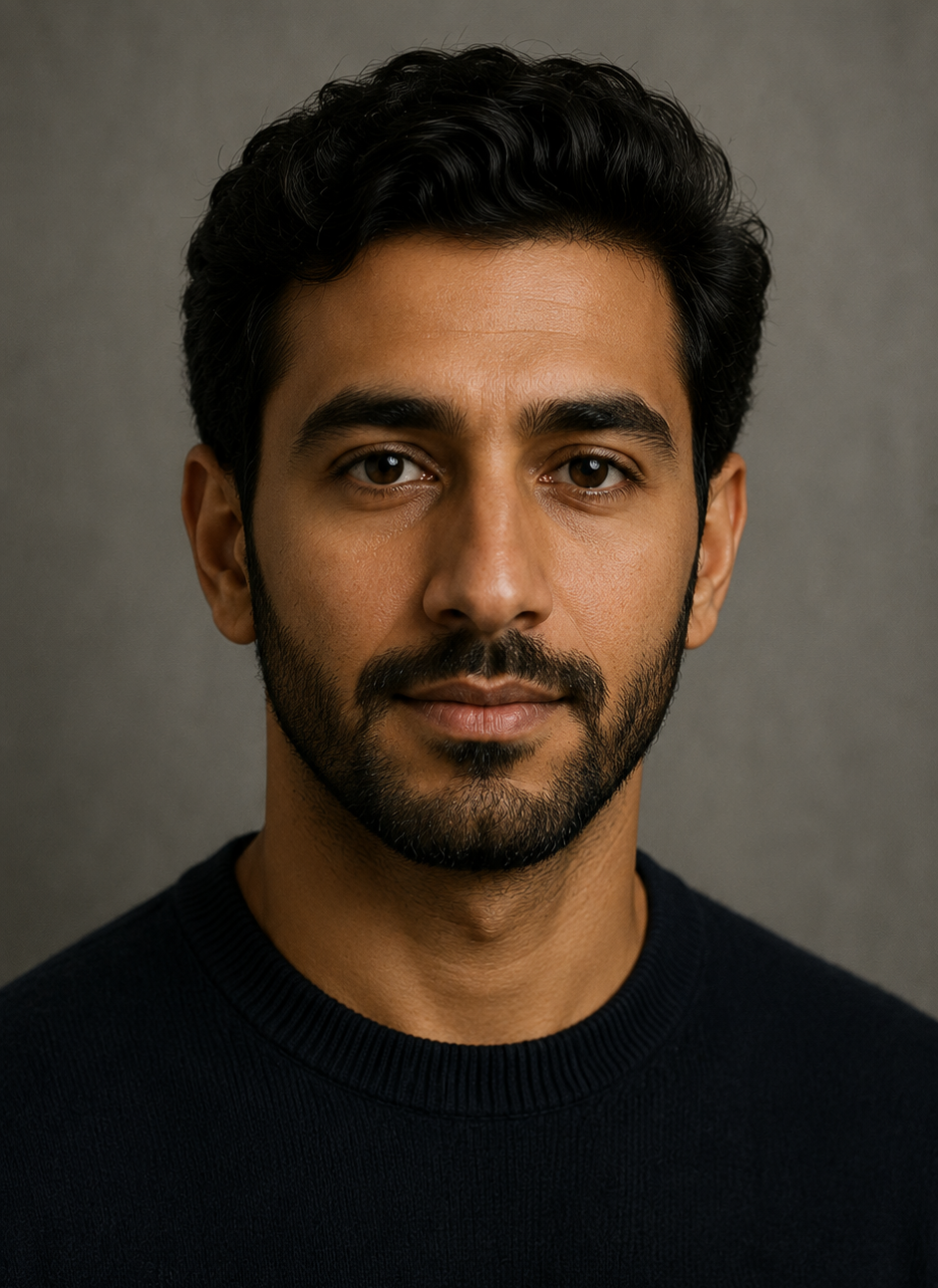
Written by
Khalid Al-Rashidi
Gulf & Middle East Correspondent · Emerging & Strategic Wealth
Khalid covers the family offices, luxury operators, and strategic capital moving across the GCC and wider Arab world — often before the rest of the region notices. He's spent years tracking how Gulf wealth structures itself for the next generation, from residency programmes to private aviation. Based between Dubai and Riyadh. Reach out at khalid.al-rashidi@theplatinumcapital.com.