
Gold as a Reserve Asset: Central Bank Buying in 2026
Central banks across emerging and developed economies alike accelerated their gold accumulation strategies in 2026, driven by a deepening distrust of dollar-denominated reserves and the accelerating fragmentation of the global monetary order. For sovereign wealth managers, family offices, and high-net-worth allocators, understanding the structural forces behind this institutional demand is no longer a matter of academic interest — it is a prerequisite for preserving generational wealth in an era of deliberate currency realignment.…

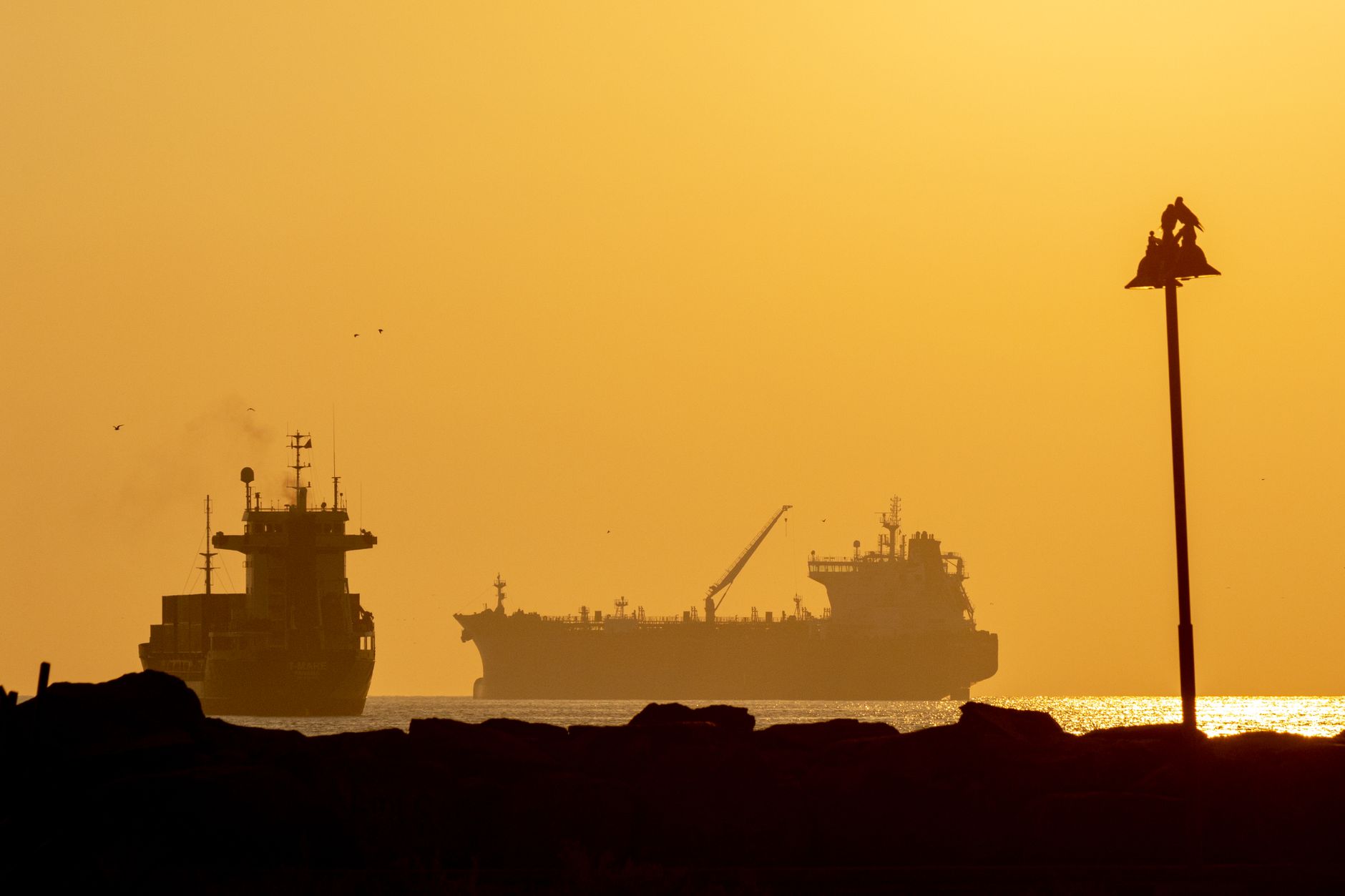
When the Strait of Hormuz partially closed to tanker traffic in the spring of 2026, two things happened on cue. Oil prices surged. And gold followed. As crude supplies tightened and geopolitical risk spiked across the Gulf, central banks from Riyadh to Nairobi quietly accelerated their bullion accumulation programs. By mid-year, spot gold had crossed USD 3,400 per troy ounce. The institutions driving that price were not hedge funds or retail speculators. They were sovereign balance sheets.
The Geopolitical Reset Behind the Gold Surge
The U.S.-Israeli military campaign against Iran and its aftermath fundamentally changed how reserve managers across the Gulf and Central Asia think about asset diversification. The temporary closure of the Strait of Hormuz — which at its peak disrupted over 20% of global seaborne oil trade — served as a live stress test for nations whose fiscal stability depends on hydrocarbon export revenues. When your primary export route becomes a war zone, the appeal of an asset sitting in a vault in Zurich or London rather than aboard a tanker sharpens considerably. That is not a theoretical observation. It is the calculation that moved markets.
Saudi Arabia's Public Investment Fund and the Saudi Central Bank (SAMA) have been among the more active accumulators, though official figures tend to lag by several months. Analysts at the World Gold Council estimate Gulf Cooperation Council central banks collectively added approximately 85 tonnes of gold in the first half of 2026 — a 40% increase over the same period in 2025. Kazakhstan, already among the top ten national gold holders globally, added a further 12 tonnes in Q1 alone, consistent with its long-standing policy of directing a portion of domestic mining output directly into state reserves.
The UAE Calculus: Post-OPEC Sovereignty and Reserve Diversification
The UAE's formal departure from OPEC in late April 2026 was a structural signal as much as an operational one. By untethering Abu Dhabi National Oil Company from production quotas, the UAE declared it would manage its energy wealth on its own terms. That same logic now extends directly to reserve asset management. ADNOC's record crude loadings of 4 million barrels per day between June 1 and 29 — surpassing pre-war benchmarks of 3.4 million bpd, according to Vortexa analyst Emma Li — generated substantial dollar inflows that the UAE Central Bank must now allocate. That is a significant deployment decision.
Historically, petrodollar surpluses of this scale have flowed disproportionately into U.S. Treasuries. But with U.S. sovereign debt exceeding USD 36 trillion, and dollar-denominated assets increasingly viewed as instruments of geopolitical leverage — Iran's experience with asset freezes made that point with brutal clarity — Gulf reserve managers are quietly reweighting toward gold. The metal carries no counterparty risk, no sanctions exposure, no political conditionality. For a nation that just posted record oil export figures while simultaneously managing a complex regional security environment, those attributes are not abstractions. They are operational requirements.
Central Banks as the Dominant Buyer Class
The World Gold Council's full-year 2025 data recorded net central bank purchases of approximately 1,045 tonnes — the third consecutive year above the 1,000-tonne threshold. The buying in 2026 shows no sign of slowing. Poland's central bank surpassed 400 tonnes in total reserves earlier this year and has publicly stated a target of 20% gold as a share of total reserves. The National Bank of Kazakhstan, the Central Bank of Egypt, and Bank Negara Malaysia have each made formal statements or policy disclosures pointing toward sustained accumulation. Few outside the reserve management community have paid close attention. They should.
Nigeria's central bank, under pressure to stabilise the naira and reduce dollar dependency following a turbulent 18 months for African frontier currencies, increased its gold holdings by an estimated 8 tonnes in the first quarter of 2026. The trend extends across the continent. Morocco, South Africa, and Ghana — the latter leveraging its domestic gold mining sector — have all either increased reserves or initiated policy reviews that favour bullion over traditional fiat reserves. Ghana's Gold for Oil programme, launched several years ago as a pragmatic response to dollar shortages, has effectively normalised gold as a transactional and reserve asset in the West African policy conversation. That normalisation matters.
What Sustained OPEC+ Disruption Means for Gold Pricing
The five consecutive months of OPEC+ output hikes — totalling nearly 800,000 barrels per day on paper from April through July 2026 — have been largely theoretical in their market impact. As long as Saudi Arabia, Kuwait, and Iraq faced Hormuz-related export constraints, announced quota increases simply did not translate into delivered barrels. That supply uncertainty kept oil prices elevated even as headline figures suggested easing. Elevated oil prices sustain the fiscal surpluses that Gulf sovereigns convert, in part, into gold. The mechanism is straightforward, and it has been running continuously.
There is a secondary dynamic operating underneath this. When oil-exporting nations earn windfall revenues while simultaneously facing geopolitical uncertainty, their demand for gold as insurance rises non-linearly. The correlation between Gulf sovereign wealth fund activity and gold price movements is not perfect, but the directional relationship is well-established. Vessel transits through the Strait of Hormuz were still running 40% below pre-war levels as of late June — and Iran-linked vessels accounted for nearly 60% of the 43 crossings recorded on July 2, according to S&P Global Commodities at Sea. The risk premium in regional energy markets has not dissipated. That residual uncertainty continues to underpin institutional gold demand, and the numbers bear that out.
Strategic Implications for Private Investors and Family Offices
For family offices and private investors across the Gulf, Central Asia, and Africa, the central bank buying trend carries a specific message: the institutions with the longest time horizons and the most sophisticated reserve management teams are increasing their gold allocations during a period of clear dollar-system stress. Dismiss that signal at your own risk.
Gold's role in a private portfolio in 2026 is less about speculating on price and more about replicating the logic that sovereign reserve managers have already adopted. Physical bullion held in allocated accounts at institutions such as Brinks, Malca-Amit, or through the DMCC's vault infrastructure in Dubai offers the same counterparty-free balance sheet protection that central banks seek. Gold-backed instruments listed on the Saudi Exchange or through regional platforms provide liquidity with reduced friction for investors who require it.
The families and private investors who have watched central banks add over 3,000 tonnes of gold to global reserves across the past three years — while simultaneously observing dollar-denominated debt instruments face political weaponisation — understand that this is a structural reallocation, not a tactical trade. The question for private capital is no longer whether gold belongs in a diversified reserve portfolio. It is how much, held where, and in what form. Sovereign buyers have already answered that question for themselves. Private wealth is arriving at the same conclusion, one geopolitical shock at a time.
Written by
Tom Whitmore
Senior correspondent · Real Estate & Private Companies
Tom has interviewed most of the operators reshaping the Gulf skyline — and a few of the ones who tried and didn't. His beat is real estate, commodities, manufacturing, and the founder-led private companies that never bother to list. He knows which buildings and balance sheets survive a downturn before the spreadsheet does. Based in Dubai. Reach out at tom.whitmore@theplatinumcapital.com.