

Luxury Automotive Groups Dominating Gulf Showrooms
As Gulf sovereign wealth funds and ultra-high-net-worth families accelerate their appetite for tangible, status-defining assets, the region's luxury automotive market has emerged as a formidable arena where brands like Rolls-Royce, Bentley, and Lamborghini are posting record dealership revenues that rival the performance of mid-cap equities. The strategic consolidation of exclusive distribution rights across the GCC by a handful of powerful conglomerate groups is quietly reshaping the competitive landscape, creating vertically integrated automotive empires that command both the showroom floor and the broader wealth-signaling ecosystem that defines prestige consumption in the Gulf.…

Across the Gulf, demand for ultra-luxury automobiles has never been more precisely calibrated — or more strategically served. From the temperature-controlled showrooms lining Dubai's Sheikh Zayed Road to the bespoke delivery lounges tucked inside Riyadh's Al Faisaliah district, the automotive groups commanding these markets in 2026 are no longer simply selling vehicles. They are engineering experiences, managing legacy assets, and competing for a buyer who measures prestige not in horsepower alone, but in provenance, exclusivity, and the quiet confidence that comes with genuine scarcity.
The Gulf Buyer Has Changed — And the Market Has Followed
The region's UHNW automotive buyer in 2026 bears little resemblance to the volume-driven luxury consumer of even five years ago. Family office principals, second-generation inheritors, and sovereign-adjacent private investors across the UAE, Saudi Arabia, Qatar, and Kuwait are acquiring vehicles with the same strategic discipline they apply to real estate or alternative assets. Rolls-Royce Motor Cars reported its highest-ever global deliveries in 2023. The Middle East — led by the UAE and Saudi Arabia — has consistently ranked among its top five markets globally. That trajectory has not reversed. If anything, the appetite has deepened, diversifying into coachbuilt commissions, limited series, and collector-grade acquisitions that rarely surface in standard sales data.
Context matters here. The same private wealth confidence that drove Arabian Acres to close a Dh400 million beachfront land acquisition in Jumeirah in March 2026 — one of Dubai's largest-ever residential land transactions — draws from the same capital pool funding seven-figure automotive portfolios. UHNW families in the Gulf are not separating their passion assets from their wealth strategy. They are integrating them, treating bespoke automobiles as portable stores of value that sit alongside real estate holdings, aviation assets, and private marine interests. The categories have blurred. That is a significant shift.
The Groups Shaping the Competitive Hierarchy
Three groups have pulled ahead as the dominant forces in Gulf ultra-luxury automotive retail, each with a distinctly different approach to positioning. Al-Futtaim Automotive, operating across the UAE with flagship Ferrari and Maserati distribution rights, continues to lead on the volume-to-prestige balance. Its investment in client experience infrastructure — private handover suites, dedicated relationship managers, invitation-only preview events — has set a standard that competitors are actively benchmarking against.
In Saudi Arabia, the Al-Jomaih Automotive Group and its long-standing ties to European manufacturers shape the competitive dynamic. Vision 2030 has accelerated domestic consumption sharply, drawing an estimated 1.5 million additional upper-middle and high-net-worth consumers into the Kingdom's discretionary spending base over the past three years. The Riyadh showroom experience has been fundamentally redesigned in response. Private consultation rooms, Arabic-language bespoke configuration services, and dedicated female client programmes — reflecting the post-2018 driving reform — have opened measurable new revenue streams in sales environments that were historically male-dominated. Few outside the region have tracked this closely. They should.
The third force is less visible but arguably more interesting: a growing cohort of independent luxury automotive curators — boutique operations that source, authenticate, and deliver ultra-rare vehicles for high-profile private clients across the GCC. These entities operate largely outside the franchise dealership model. They cater exclusively to buyers at the Dh2 million-and-above price point. Several have established presences inside Dubai's DIFC ecosystem and Abu Dhabi's emerging financial district, positioning as discreet intermediaries for clients whose vehicle requirements are too specific — or too sensitive — for a standard showroom conversation.
Bentley, Bugatti, and the Bespoke Commission Economy
No brand illustrates the Gulf's shift toward bespoke over volume more sharply than Bentley. The Crewe manufacturer's Mulliner division — its coachbuilding and personalisation arm — draws a disproportionately high share of its global commission revenue from Gulf-based clients. Industry estimates place GCC buyers at between 18 and 24 percent of Mulliner's annual bespoke order intake. They are commissioning hand-stitched interiors in heritage Arabic geometric patterns, exterior finishes incorporating precious metal flake sourced from private collections, and one-off configurations that simply do not exist in any catalogue. The numbers tell a complicated story about where this market has actually moved.
Bugatti's regional performance runs along the same line. The Rimac-Bugatti group's decision to deepen its Gulf retail infrastructure — including a dedicated Bugatti Dubai space operated in partnership with local luxury automotive specialists — reflects the region's status as a genuine anchor market for hyper-luxury product. The Tourbillon, Bugatti's most recent flagship, drew significant pre-order interest from Gulf-based buyers within days of its 2024 reveal. Multiple confirmed commissions originated from UAE and Qatari family offices before the vehicle entered formal production scheduling. That is not a regional curiosity. That is commercial weight.
Saudi Arabia's Emerging Collector Culture
The most structurally significant shift in the Gulf automotive market is not happening in Dubai. It is happening in Riyadh.
Vision 2030 has produced a domestic leisure and entertainment economy that simply did not exist at scale a decade ago. With it has come a rapidly maturing collector culture, driven by younger Saudi UHNW individuals who have been educated internationally, are embedded in global luxury networks, and return home with consumption preferences that the Kingdom's retail infrastructure is only now moving fast enough to serve. The gap between demand and supply is closing — but it has not closed yet.
The Riyadh Season and Jeddah Season entertainment platforms have both featured premium automotive exhibitions as headline attractions, drawing tens of thousands of visitors and giving manufacturers direct-to-consumer engagement opportunities previously inaccessible in the Saudi market. Ferrari's client experience events in Riyadh, run in partnership with its local distributors, have generated waitlists extending into 2027 for specific limited models. That would have been unimaginable in the Saudi context as recently as 2019. The pace of change here deserves more attention than it typically receives from analysts writing from London or New York.
Capital, Collectibles, and What Comes Next
For family offices and private investors across the Gulf, the strategic question has moved on. It is no longer whether ultra-luxury vehicles belong in a diversified asset conversation. It is how to structure that exposure with discipline. Verified collector-grade automobiles from the 1950s through the 1980s have delivered annualised appreciation of between 8 and 14 percent over the past decade in structured auction environments — outperforming several traditional alternative asset classes across specific vintage categories. Gulf-based family offices are beginning to formalise these holdings, engaging specialist advisors in London, Geneva, and increasingly Dubai to build provenance-documented collections managed with the rigour more commonly applied to art or private equity.
The groups that define Gulf showroom dominance through the remainder of this decade will be those that grasp this shift most completely. The transaction is no longer the endpoint. For the buyer commissioning a bespoke Rolls-Royce Phantom in the same quarter his family office closes on a nine-figure coastal land parcel, the vehicle is one expression of a singular worldview — one in which excellence is assumed, discretion is non-negotiable, and the relationship between client and institution is built to outlast any single purchase by a considerable margin.
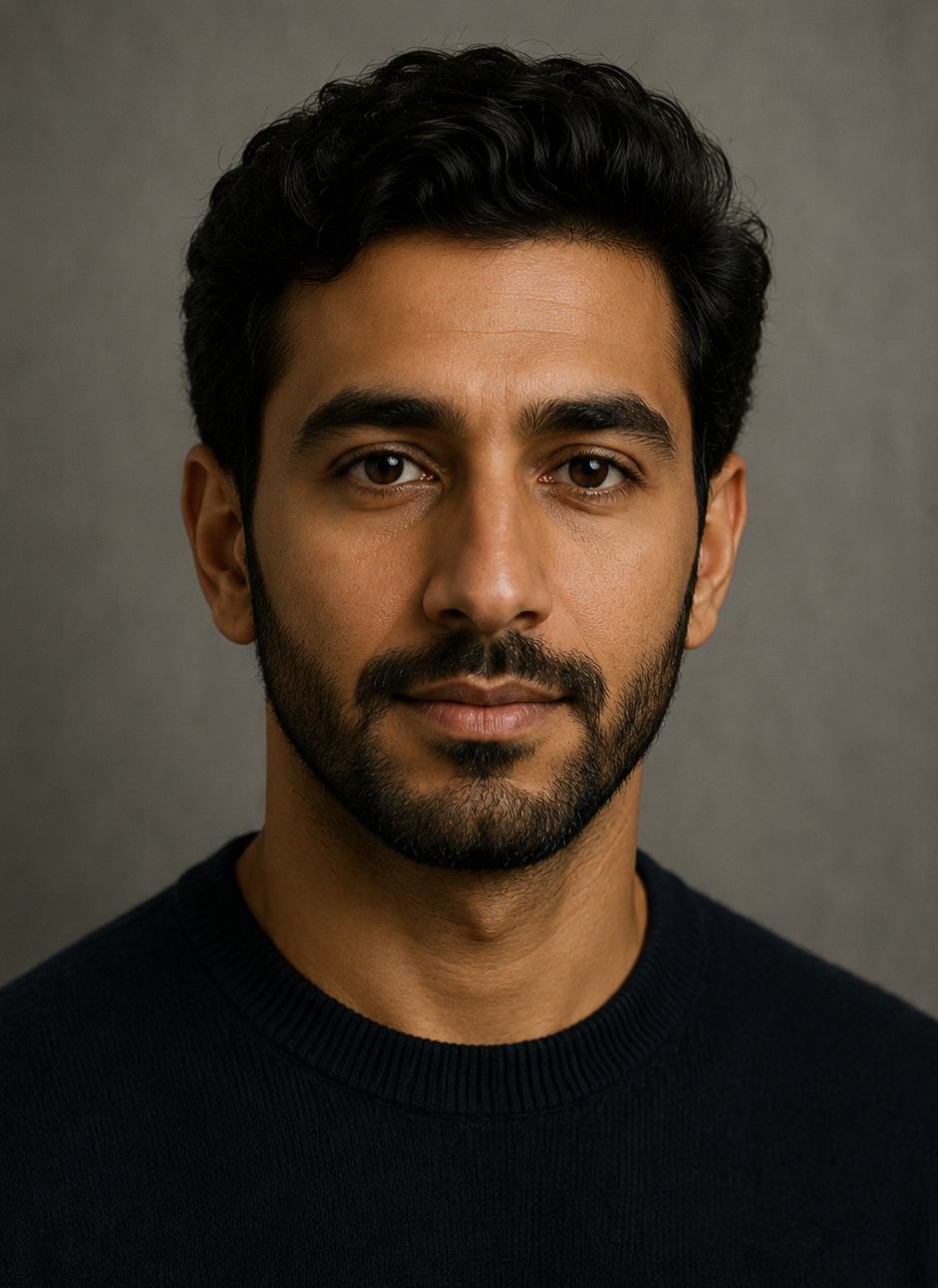
Written by
Khalid Al-Rashidi
Gulf & Middle East Correspondent · Emerging & Strategic Wealth
Khalid covers the family offices, luxury operators, and strategic capital moving across the GCC and wider Arab world — often before the rest of the region notices. He's spent years tracking how Gulf wealth structures itself for the next generation, from residency programmes to private aviation. Based between Dubai and Riyadh. Reach out at khalid.al-rashidi@theplatinumcapital.com.