

Luxury Yacht Marinas of the Red Sea and Arabian Gulf
The Red Sea and Arabian Gulf have emerged as the defining frontier for ultra-high-net-worth maritime investment, where state-backed megaprojects and sovereign wealth ambitions are reshaping coastlines into world-class superyacht destinations commanding berth fees and real estate premiums that rival Monaco and the French Riviera. From NEOM's Sindalah Island to the expanding marina infrastructure of Abu Dhabi and Dubai's Palm Jumeirah, the region now presents family offices and institutional investors with a rare convergence of yield-generating marine assets, diplomatic positioning, and long-term capital appreciation in one of the world's most strategically significant bodies of water.…

From the crystalline waters of Aqaba to the sun-drenched berths of Dubai Marina, the Red Sea and Arabian Gulf are changing — quietly, but with consequence. The measure of that change is not tourist arrivals or hotel occupancy rates. It is superyacht lengths, marina berth premiums, and the private wealth decisions of families and family offices who treat these waters as their own domain. Regional luxury marina infrastructure has become both a strategic asset class and a statement of sovereign ambition, pulling serious capital from principals across the GCC, Central Asia, and well beyond.
The Arabian Gulf's Established Marina Hierarchy
The UAE owns this market. Dubai Marina, with over 200 berths capable of accommodating vessels up to 75 metres, remains the social and operational hub for private yacht owners based in the emirate. Abu Dhabi's Yas Marina and the newer Jubail Island facilities have drawn longer-term liveaboard clients and charter operators serving UHNW families who want proximity to the capital's quieter, more discreet social circuits. At the premium end — vessels above 50 metres — berth fees routinely run AED 800 to AED 1,200 per metre per month in peak season. Annual contracts at trophy locations command significant premiums above that.
The numbers tell a complicated story. Knight Frank's 2026 Wealth Report projects the UAE's ultra-high-net-worth population will grow 36% by 2031, reaching 6,588 individuals holding more than $30 million in assets. Superyacht ownership and charter usage scales closely with UHNW population density. That trajectory points to sustained demand for premium berth capacity well into the next decade — and the Gulf's current supply was not built for that volume.
What has sharpened in recent months is the convergence of luxury real estate and marina access as a single value proposition. In March 2026, Dubai-based luxury real estate advisory firm Arabian Acres concluded the acquisition of three adjacent freehold plots on Jumeirah Coastline for a collective AED 400 million — the largest residential land transaction completed in Dubai. The consolidated 113,000 sq ft site carries 160 metres of private beachfront, and development plans for three ultra-luxury villas each include private marina docking facilities. Arabian Acres CEO Issa Atiq described the deal as reflecting "steady institutional and private wealth confidence in the UAE's regulatory transparency, economic resilience, and long-term growth trajectory." He is not wrong. The broader market worked this out some time ago: in the Gulf, waterfront access and private mooring rights have become the definitive markers of residential ultra-luxury. Full stop.
Sindalah and the Saudi Red Sea Gamble
No single project has defined — or complicated — the regional marina conversation more than Sindalah Island, the superyacht-focused centrepiece of NEOM's Red Sea portfolio. When Crown Prince Mohammed bin Salman unveiled Sindalah in 2022, the pitch was audacious: an 86-berth superyacht marina designed by Italian naval architect Luca Dini, anchored by a Four Seasons hotel with 277 keys, positioned to draw the world's most mobile ultra-wealthy to Saudi waters at scale for the first time. The phrase "Monaco on the Arabian Peninsula" was deployed without apparent irony.
The reality, as of July 2026, is considerably messier. Sindalah has consumed an estimated $4 billion — roughly triple its initial projected cost — and has yet to welcome a single paying guest from the general public. AGBI reported that NEOM quietly scrubbed Sindalah from its website as a standalone section, a move that coincided with the removal of NEOM's former CEO Nadhmi Al Nasr just weeks after a ceremonial opening event. That sequence of events deserves careful reading.
This is not a death knell for Saudi marina ambitions. But it is an unambiguous signal that execution risk in mega-scale sovereign projects remains very real, and that the gap between architectural renderings and operational luxury hospitality is wider — and more expensive to bridge — than initial timelines suggested. Family offices sitting on direct relationships with the relevant sovereign entities are still engaged. Those without them are watching from a distance. The distinction matters.
The underlying Red Sea opportunity, stripped of the Sindalah noise, remains legitimate. Saudi Arabia's Vision 2030 maritime strategy encompasses over 1,800 kilometres of coastline. Jeddah Islamic Port's yacht club, the developing marinas of AMAALA's Triple Bay megaproject, and the Red Sea Global infrastructure are all advancing — at varying pace — along this corridor. Patient capital with the right relationships will find its moment. The timeline just stretched.
Qatar, Bahrain, and the Secondary Berth Opportunity
While Dubai and Saudi Arabia dominate the conversation, Qatar's Porto Arabia at The Pearl is one of the Gulf's most operationally mature superyacht facilities — berths accommodating vessels to 90 metres, a full technical services suite, and a post-2022 World Cup upgrade cycle that has meaningfully strengthened Qatar's high-net-worth hospitality infrastructure. The marina ecosystem has been a direct beneficiary of that broader investment in premium leisure capacity. Few outside the region have paid close attention. They should.
Bahrain's market is smaller. It is also strategically interesting for a reason that rarely appears in regional league tables: proximity to Saudi Arabia's Eastern Province wealth base. Bahrain Financial Harbour and the Royal Yacht Club of Bahrain draw consistent traffic from Saudi-based UHNW families — particularly those operating under social or logistical constraints that make routine UAE travel less practical. For family offices advising clients across the GCC, Bahrain's berths function as a complementary node rather than a primary destination. The role is unglamorous. The demand is structural.
International Demand and the Charter Premium
Resident ownership is only part of the picture. The Arabian Gulf and Red Sea have become increasingly active on the international superyacht charter circuit. European and American charter clients — historically concentrated on the Mediterranean and Caribbean — have been joined by a rising cohort from Kazakhstan, Nigeria, Indonesia, and India, markets where UHNW growth rates are outpacing traditional wealth centres. That is a significant shift. Charter brokers operating across the Gulf report weekly rates for 40-to-60-metre vessels in peak winter season now ranging between $150,000 and $350,000. Bespoke itineraries combining Dubai, Abu Dhabi, and Oman's Musandam peninsula command consistent premiums above that band.
The supporting infrastructure has matured. Certified shipyards, qualified technical crews, and — critically — aviation connectivity for rapid owner embarkation have all improved substantially. The UAE's private aviation ecosystem expanded aggressively through 2025 and into 2026, with operators including Jetex and DC Aviation Al-Futtaim adding capacity. Superyacht arrivals and departures can now be coordinated with private flight schedules in ways that were logistically difficult a decade ago. The frictionless end-to-end experience that UHNW owners expect — and that charter rates price in — is finally deliverable at scale.
Where Capital Should Be Watching
The Gulf marina sector presents a bifurcated picture for family offices and private investors with exposure to luxury hospitality, real estate, or maritime assets. Established UAE infrastructure — particularly berths integrated with premium residential or hotel assets — represents low-volatility, appreciating inventory with strong demand visibility through 2030. Saudi Arabia's Red Sea corridor carries higher execution risk, but the upside is correspondingly greater for those with direct sovereign relationships and the patience to engage across multi-year development cycles. Sindalah is a warning, not a verdict.
Then there is Oman. Still underdeveloped relative to its natural assets, still under-discussed relative to its potential. Several family-backed development groups from the Gulf and Southeast Asia have quietly begun acting on it. In waters this strategically important, the premium has always gone to those who move before the full market catches up.
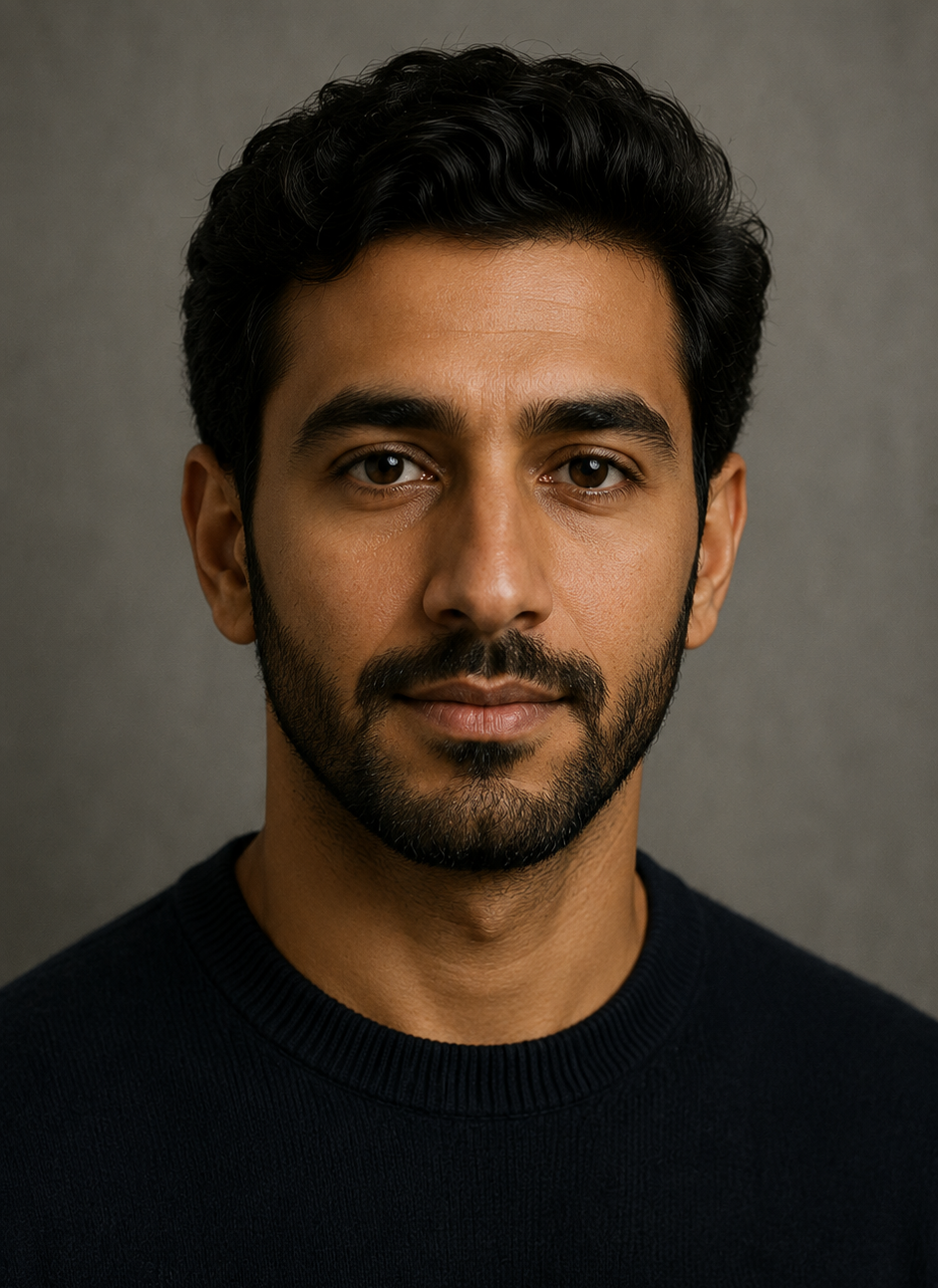
Written by
Khalid Al-Rashidi
Gulf & Middle East Correspondent · Emerging & Strategic Wealth
Khalid covers the family offices, luxury operators, and strategic capital moving across the GCC and wider Arab world — often before the rest of the region notices. He's spent years tracking how Gulf wealth structures itself for the next generation, from residency programmes to private aviation. Based between Dubai and Riyadh. Reach out at khalid.al-rashidi@theplatinumcapital.com.