

The Boutique Hotel Groups Redefining Luxury Across the Gulf
A new generation of boutique hotel groups across the Gulf is dismantling the region's long-standing association with ostentatious mega-resorts, replacing sheer scale with carefully curated design, cultural authenticity and an intimacy that commands premium rates far exceeding those of their larger competitors. From the restored heritage quarters of Muscat to the emerging coastal enclaves of Saudi Arabia's Red Sea coast, these operators are proving that in a market long defined by excess, restraint has become the ultimate luxury.…
The Boutique Hotel Groups Redefining Luxury Across the Gulf
When Abdulrahman Al-Mukairish opened the doors of Bab Al Shams Desert Resort's reimagined incarnation in late 2023, he signalled something that has since become unmistakable: the Gulf's hospitality sector is undergoing a structural shift away from the megascale properties that defined the region for decades. Now, as we move through 2026, a cohort of boutique hotel operators — many backed by family offices and sovereign-adjacent capital — are deploying billions of dollars to build intimate, design-led properties that rival anything on the Amalfi Coast or in Kyoto. The economics are compelling. The cultural implications run even deeper.
A New Generation of Gulf-Born Operators
The most consequential development has been the emergence of homegrown brands that refuse to license Western management contracts. Emaar Hospitality's Address Hotels & Resorts division has expanded its boutique-format Address Beach Resort concept, but the independents are the ones commanding attention from institutional investors.
Saudi Arabia's Assila Hospitality Group, a subsidiary of Prince Alwaleed bin Talal's Kingdom Holding Company, has committed approximately SAR 2.8 billion ($745 million) to developing twelve boutique properties across the Kingdom by 2028, with four already operational as of Q1 2026. Among them: the 87-key Assila Jeddah, positioned within the regenerated Al-Balad historic district, and a 62-key desert retreat near AlUla that opened in January. Average daily rates at the Jeddah property have exceeded $680, placing it firmly in the ultra-luxury tier — without the 400-room footprint that category traditionally demands. That is a significant shift.
In Abu Dhabi, the Ennismore-backed SLS branded residences have been complemented by purely local ventures. Modon Properties, in partnership with the Abu Dhabi Investment Office, launched the Saadiyat Boutique Collection in 2025 — three properties totalling just 180 keys, each designed by regional architects and operated under a single, purpose-built management company. Occupancy rates during Q4 2025 averaged 82 per cent, outperforming several larger five-star competitors on the island by nine percentage points.
Family Office Capital Reshapes the Asset Class
What sets this cycle apart from previous Gulf hospitality booms is the capital structure behind it. Rather than relying on sovereign wealth fund allocations or conventional bank financing, a large share of new boutique hotel development is being funded directly by family offices hunting for alternatives to public equity and real estate investment trusts.
The Kuwait-based Alghanim family office deployed $120 million in 2025 across three boutique hospitality assets in Oman's Musandam Peninsula and Bahrain's Muharraq Island. The investment thesis, according to sources familiar with the allocation, centres on the yield premium that well-managed boutique properties command over comparable branded assets: 200 to 350 basis points in net operating income yield, driven by lower operating costs and stronger pricing power per key.
Dubai's Al Habtoor Group, long associated with large-format hotels, has quietly assembled a boutique division. Two properties under the "Habtoor Heritage" sub-brand are under construction in Dubai's Bastakiya quarter and Sharjah's Heart of Sharjah district, with a combined development budget of AED 640 million ($174 million) and a target completion date of late 2027. The group's patriarch, Khalaf Al Habtoor, described the pivot as "inevitable" in a January interview, noting that the demographic of Gulf luxury travellers has shifted decisively toward guests under 40 who prioritise distinctiveness over brand recognition. He's not wrong — and he's far from the only one making this bet.
Saudi Arabia's Vision 2030 as Catalyst
No analysis of Gulf boutique hospitality holds together without reckoning with the gravitational force of Saudi Arabia's tourism agenda. The Kingdom's Tourism Development Fund has allocated SAR 12 billion to boutique and heritage tourism projects since 2023, and the pipeline is accelerating. The Red Sea Global development, helmed by John Pagano, now includes fourteen boutique-scale properties across its two phases, several operated by independents rather than major chains.
AMAALA, the ultra-luxury coastal destination along the northwestern coast, has attracted commitments from Aman Resorts, Clinique La Prairie, and — notably — three Saudi-owned boutique operators whose names have not yet been publicly disclosed but whose combined investment exceeds $900 million, according to filings reviewed by The Platinum Capital. The Saudi Tourism Authority reported that boutique and heritage property bookings grew 34 per cent year-on-year in 2025, making it the fastest-growing segment in the Kingdom's accommodation market.
Diriyah Gate, the $63 billion giga-project on Riyadh's outskirts, has designated an entire quarter for boutique hospitality, with Bvlgari Hotels and the Corinthia Group securing management agreements. But at least four plots have been reserved for Saudi operators — a deliberate policy choice reflecting Crown Prince Mohammed bin Salman's stated objective of building a domestic luxury services industry rather than merely importing one.
Oman and Bahrain: The Quiet Contenders
Saudi Arabia and the UAE absorb the majority of headlines and capital. But Oman and Bahrain are proving fertile ground for operators seeking lower land costs and authentic cultural positioning. Few outside the region have noticed. Oman's Alila Jabal Akhdar, perched 2,000 metres above sea level, has long demonstrated the commercial viability of remote boutique properties in the Gulf. Now, the Omani government's Tanfeedh programme has earmarked OMR 150 million ($390 million) for boutique tourism infrastructure, including a heritage trail of restored caravanserai properties along the ancient frankincense route.
Bahrain, meanwhile, has leveraged its compact geography and relatively relaxed regulatory environment to attract boutique operators who might find the Saudi or Emirati markets too capital-intensive. Edamah, the real estate arm of Bahrain's sovereign wealth fund Mumtalakat, opened the 54-key Art Rotana Amwaj in a boutique format in 2025 and has three additional properties in development across Muharraq and the Bahrain Bay waterfront, targeting a combined 160 keys by 2028.
The Economics of Intimacy
The financial case for boutique hospitality in the Gulf rests on three pillars. First, revenue per available room at properties with fewer than 100 keys outperformed the broader luxury segment by 18 per cent across the GCC in 2025, according to STR Global data. Second, staffing ratios — the largest single cost line in hotel operations — run materially leaner at smaller properties, particularly those adopting technology-enabled service models. Third, boutique properties carry substantially lower construction costs per key than mega-resorts. Gulf developers report averages of $350,000 to $500,000 per key, compared with $800,000 or more for branded super-luxury towers.
For private wealth holders, the asset class also offers something harder to quantify but no less valuable: cultural prestige. In a region where hospitality is civilisational rather than merely commercial, owning a distinguished small hotel carries a cachet that a REIT allocation never will. As the Gulf's economies diversify and its tourism ambitions mature, the boutique hotel segment isn't just filling a gap. It is establishing an entirely new standard for what luxury means in the region.
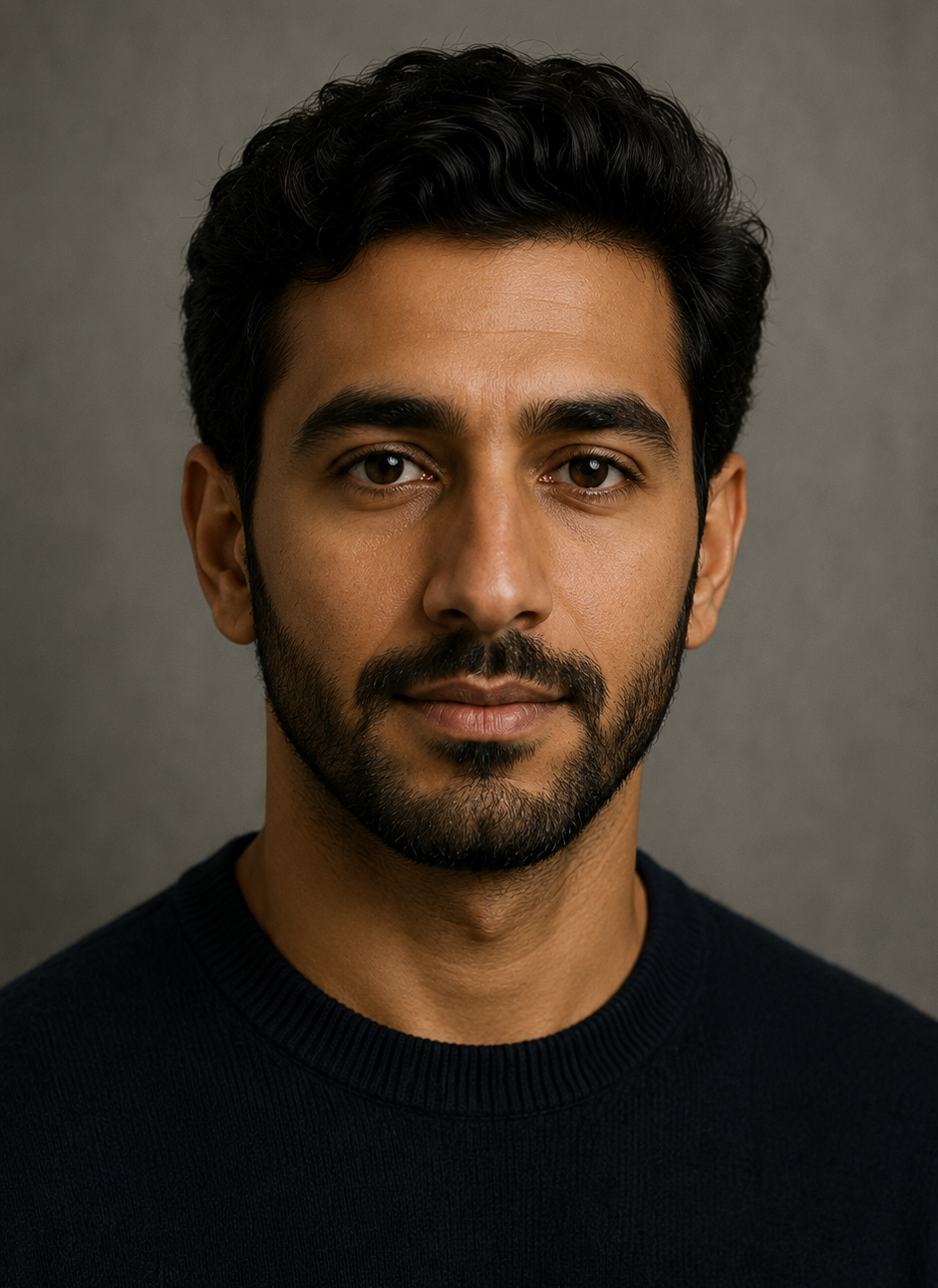
Written by
Khalid Al-Rashidi
Gulf & Middle East Correspondent · Emerging & Strategic Wealth
Khalid covers the family offices, luxury operators, and strategic capital moving across the GCC and wider Arab world — often before the rest of the region notices. He's spent years tracking how Gulf wealth structures itself for the next generation, from residency programmes to private aviation. Based between Dubai and Riyadh. Reach out at khalid.al-rashidi@theplatinumcapital.com.