

Investment Migration Firms Serving the Gulf's Mobile Wealthy
As Gulf-based family offices and high-net-worth individuals increasingly diversify their wealth across multiple jurisdictions, a sophisticated tier of investment migration firms has emerged to serve their most complex residency and citizenship requirements, blending regulatory expertise with white-glove discretion. These specialized advisories are no longer simply processing paperwork but functioning as strategic partners to dynastic wealth, navigating an intricate global landscape of golden visa programs, tax treaty frameworks, and geopolitical risk with the same precision their clients demand of any seven-figure portfolio decision.…

When a Dubai-based family office principal quietly acquires a second passport through a Caribbean citizenship-by-investment programme, it rarely makes headlines. Multiply that transaction across the tens of thousands of Gulf nationals, Arab expatriates, and emerging market investors who have done precisely the same thing over the past five years, and the scale of what the investment migration industry calls its "Gulf moment" becomes impossible to ignore. The mobile wealthy of the GCC — and the advisors who serve them — have turned residency and citizenship planning into a sophisticated, multi-layered discipline that sits comfortably alongside private banking, estate planning, and real estate acquisition as a core pillar of wealth management.
A Market Defined by Mobility, Not Flight
The narrative surrounding investment migration is frequently misread. Gulf clients are not leaving. They are diversifying their optionality. A Riyadh-based businessman who holds a Grenadian passport alongside his Saudi travel document is not signalling dissatisfaction — he is engineering access. Access to visa-free travel across more than 140 countries. Access to international banking relationships that benefit from third-country nationality. Access to the kind of estate planning flexibility that single-passport holders simply cannot replicate. Firms such as Henley & Partners, Arton Capital, and CS Global Partners have built substantial Gulf-facing operations precisely because this distinction is understood here far more clearly than in Western markets.
According to Henley & Partners' 2025 Private Wealth Migration Report, the UAE alone recorded a net inflow of approximately 6,700 millionaires that year, positioning it as the world's leading destination for high-net-worth relocators for the fourth consecutive year. But inflow does not preclude outbound planning. Many of those arriving in Dubai simultaneously acquire alternative residency or citizenship from a third jurisdiction — layering options rather than choosing between them. That is a meaningful distinction, and most Western commentators still miss it.
Real Estate as the Gateway to Status
Nowhere is the intersection of investment migration and UHNW capital allocation more visible than in property. Dubai's real estate market recorded AED 252 billion in total transactions during Q1 2026 alone — a 31% year-on-year increase in value — with the luxury segment contributing AED 87.71 billion of that figure, up 26%. A single apartment changed hands for $115 million in the same period. These are not speculative purchases by yield-chasing retail investors. They are, in many cases, dual-purpose acquisitions: primary or secondary residences that simultaneously satisfy the UAE Golden Visa threshold.
Arabian Acres, the Dubai-based luxury real estate brokerage and development advisory firm, illustrated the calibre of transaction now routinely structured at this level when it completed the city's largest-ever residential land deal in March 2026 — an AED 400 million acquisition of more than 113,000 square feet and 160 metres of private beachfront along the Arabian Gulf. The three plots involved have appreciated between 255% and 335% over three years. The planned ultra-luxury villas will each feature private marina docking facilities. For a Gulf family principal purchasing at this tier, the asset is not merely a home — it is the cornerstone of a multi-jurisdictional wealth structure that investment migration advisors help architect from the outset. The real estate and the passport strategy arrive together, or they do not arrive at all.
The Firms Competing for Gulf Mandates
The investment migration advisory sector servicing Gulf clients has matured considerably since the era when a single hotel lobby meeting could generate a passport application. Today's leading firms maintain permanent offices in Dubai and Riyadh, hold relationships with licensed agents across the Caribbean, Europe, and the Pacific, and increasingly offer what the industry terms "360-degree" structuring — encompassing not just citizenship acquisition but tax residency optimisation, trust formation, and family office integration. The hotel lobby is gone. The competition now plays out in boardrooms.
Henley & Partners operates arguably the most recognised brand in this space, with a Dubai office that has anchored the firm's GCC growth strategy for over a decade. Arton Capital, headquartered in Montreal with a strong Middle East presence, has differentiated through its Passport Index platform and a deliberate focus on younger, entrepreneurially oriented Gulf clients. Smaller boutique operations — La Vida Golden Visas and Global Citizen Solutions among them — have carved out niches serving mid-market clients, typically those with liquid wealth between $2 million and $20 million, who require bespoke guidance without institutional pricing. Meanwhile, the entry of private banks including Julius Baer and Lombard Odier into integrated residency-plus-wealth-management propositions signals something more significant: the sector is being absorbed into mainstream private wealth advisory. That shift will reshape competitive dynamics within five years.
Programme Preferences and the Shifting Menu
Gulf clients exhibit distinct preferences across the investment migration menu, and those preferences are moving. Portugal's Golden Visa, once the dominant European choice, has seen its real estate route curtailed — pushing demand toward Malta's more expensive but highly regarded citizenship-by-naturalisation programme, which carries an effective cost of approximately €750,000 to €1.1 million. The UAE Golden Visa itself has become a destination product rather than a transit mechanism. The 10-year residency available to property investors at the AED 2 million threshold draws serious interest from Arab expatriates already living in the emirate who want to formalise long-term ties. Few programmes have managed that transition — from migration tool to lifestyle anchor — quite as effectively.
Caribbean programmes remain the volume workhorses of the Gulf market. St Kitts and Nevis, Antigua and Barbuda, and Grenada lead the pack, with processing times as short as 45 days and investment thresholds beginning at $150,000 through approved real estate routes. Grenada's unique E-2 Treaty with the United States continues to attract Saudi and Kuwaiti entrepreneurs who want a viable pathway to American business operations without the full complexity of the EB-5 process. Vanuatu, despite sustained scrutiny from the European Union, retains a following among clients who place speed and discretion above all other considerations. The numbers tell a complicated story about what "programme quality" actually means to different buyers.
NEOM, Vision 2030, and the Next Wave of Demand
Saudi Arabia's own evolution — as both a source and a destination market for investment migration clients — deserves more attention than it currently receives. Vision 2030's Premium Residency programme, effectively the Saudi Green Card, has been deliberately designed to attract capital-rich foreigners to the kingdom, with a one-time fee of SAR 800,000 (~$213,000) conferring indefinite residency rights. At the same time, the ambition embedded in NEOM — including Sindalah Island, the $4 billion-plus Red Sea superyacht destination targeting a late 2026 opening with an 86-berth marina — signals a kingdom that intends to compete directly with Dubai for the footprint of global mobile capital. Few outside the region have grasped the full implications of that competition. They should.
For the investment migration firms serving this region, the opportunity is structural, not cyclical. Gulf families are multi-generational. Wealth is concentrating rather than dispersing. Geopolitical complexity is not diminishing. The principals of family offices from Lagos to Almaty to Manila who have relocated to Dubai are not ending their mobility planning journeys — they are beginning them. The advisors who understand the difference between a passport and a strategy will define this sector's next decade.
Written by
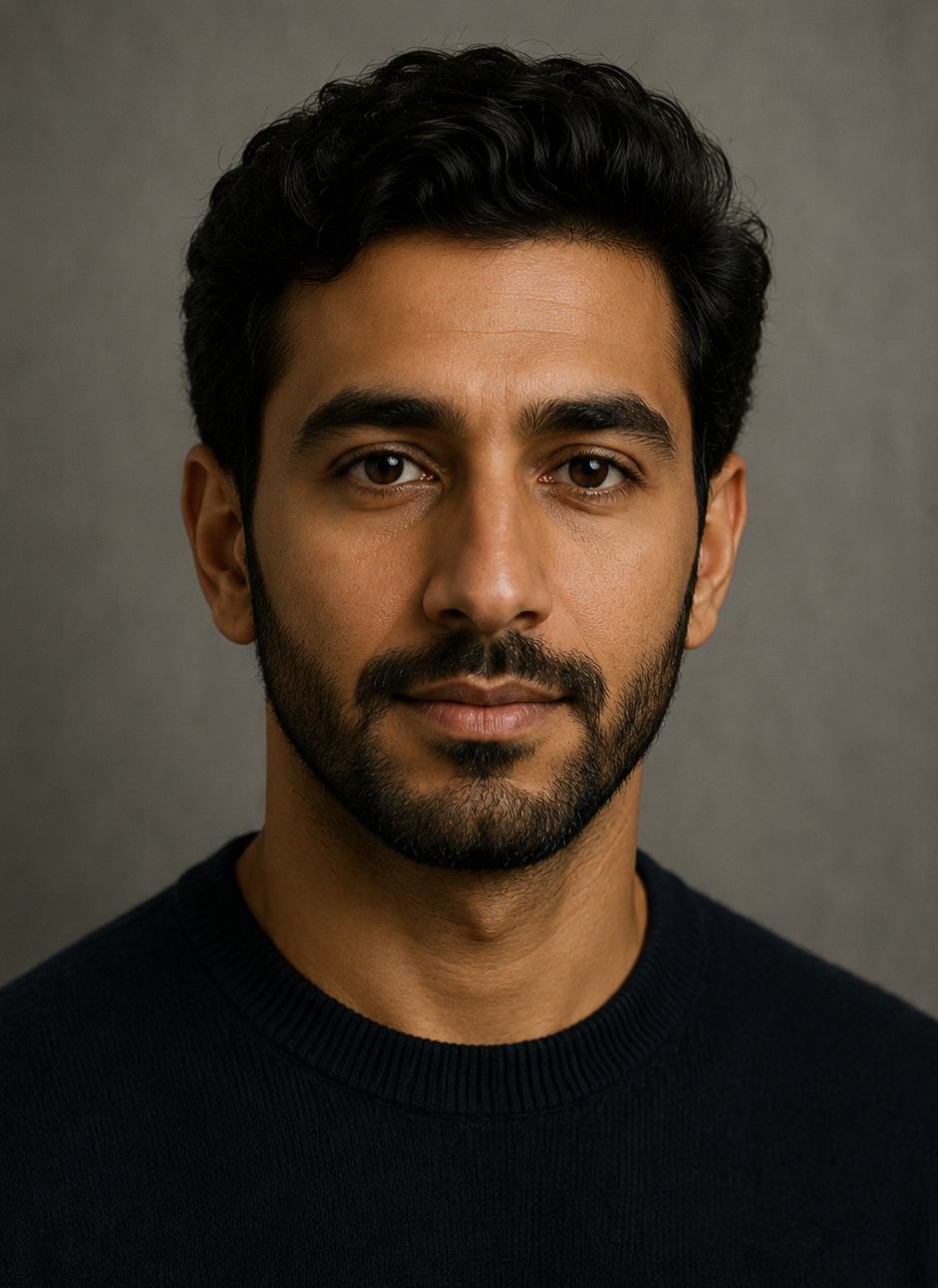
Khalid Al-Rashidi
Gulf & Middle East Correspondent · Emerging & Strategic Wealth
Khalid covers the family offices, luxury operators, and strategic capital moving across the GCC and wider Arab world — often before the rest of the region notices. He's spent years tracking how Gulf wealth structures itself for the next generation, from residency programmes to private aviation. Based between Dubai and Riyadh. Reach out at khalid.al-rashidi@theplatinumcapital.com.