

Dubai's Ultra-Luxury Real Estate Developers: Who Builds for Billionaires
In a market where nine-figure transactions have become the new benchmark for serious capital deployment, Dubai's most elite developers are no longer simply constructing residences — they are engineering sovereign-grade assets designed to preserve generational wealth across decades of geopolitical and economic volatility. Understanding which firms command the trust of sovereign wealth funds, royal family offices, and self-made billionaires requires moving beyond marketing aesthetics and into the harder metrics of delivery track records, structural innovation, and the kind of discretionary access that never appears in a sales brochure.…
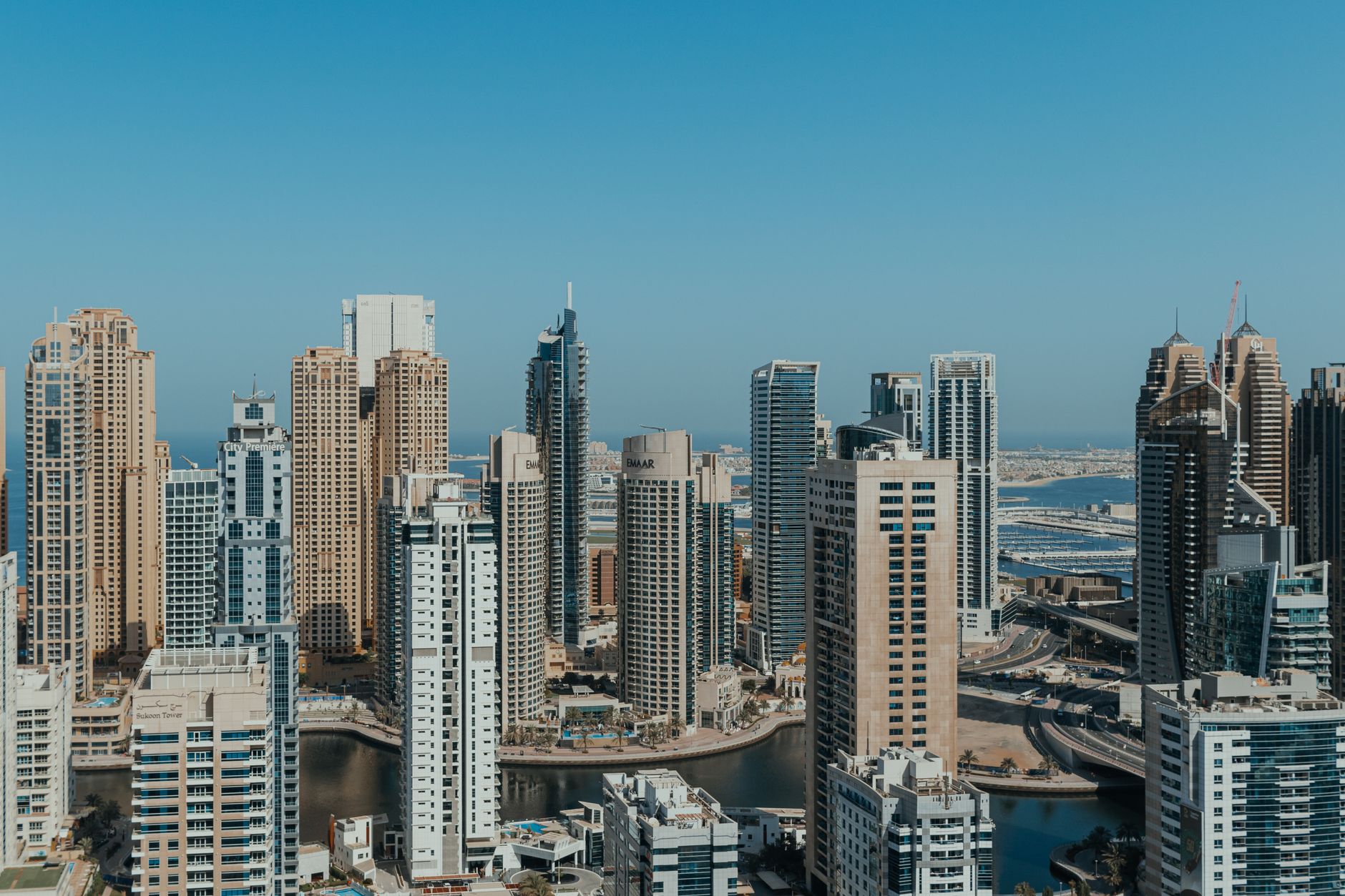
Dubai has never built for the average buyer. But in 2026, the emirate's most ambitious developers are constructing something altogether different — residences that function less as homes and more as privately held infrastructure for billionaire life. Beachfront compounds with dedicated yacht berths. Sky-bound penthouses engineered for absolute discretion. The developers shaping Dubai's ultra-luxury tier are operating in a market that, by every credible measure, is accelerating rather than cooling.
The Market Behind the Mansions
The numbers are no longer surprising. They are structural. According to Knight Frank's 2026 Wealth Report, the UAE's ultra-high-net-worth population — individuals holding more than $30 million in assets — is projected to rise from 4,851 in 2026 to 6,588 by 2031. That is a 36 percent surge, placing the Emirates among the fastest-growing wealth destinations on earth. This is not speculative migration driven by tax anxiety or geopolitical hedging. These are principals of family offices, sovereign-adjacent investors, and next-generation heirs from Lagos to Lahore converting portable wealth into fixed, prestigious assets inside one of the world's most legally stable jurisdictions.
The implication for developers operating at the apex of this market is straightforward: the pipeline of qualified buyers is expanding, ticket sizes are growing, and the product must evolve to meet expectations shaped by private islands, superyacht ownership, and generational discretion. The developers who understand this are not building luxury properties. They are building private worlds.
The Architecture of Exclusivity: Who Leads the Tier
At the highest level of Dubai's residential development market, a handful of names consistently command attention — and command price-per-square-foot figures that would raise eyebrows in London or Monaco. Omniyat, perhaps the most internationally recognised among ultra-luxury purists, has built its brand on architectural collaboration and radical scarcity. Its One at Palm Jumeirah, delivered in partnership with Dorchester Collection, remains the benchmark for branded residential excellence in the Gulf. Omniyat does not diversify downward. Its entire strategy — and its entire market — depends on absolute quality and deliberate restraint in volume.
Shamal Holding, the developer behind the Bvlgari Resort and Residences on Jumeirah Bay Island, operates with similar discipline. The Bvlgari project introduced a model now widely imitated but rarely matched: a hard-luxury Italian brand embedded at the foundation of the product, not applied as a cosmetic afterthought. In a market where branded residences have proliferated almost recklessly, the distinction between genuine co-creation and label licensing has become the single most important question informed buyers now ask. Few ask it loudly. Most already know the answer before they walk in the door.
Select Group and Ellington Properties occupy a tier just below these apex players but are closing that gap through product refinement and precise location strategy. Meanwhile, newer entrants — several backed by Gulf family office capital and regional sovereign-adjacent vehicles — are quietly acquiring prime land with the explicit intention of delivering bespoke, sub-ten-unit projects designed not for public marketing but for direct private placement among known UHNW networks. No brochures. No launch events. No public price lists.
The Deal That Defined the Moment
One transaction has crystallised the current appetite of Dubai's ultra-luxury developer market more precisely than any other. In March 2026, Arabian Acres — a Dubai-based luxury real estate brokerage and development advisory firm — closed a Dh400 million Jumeirah beachfront land deal, acting as exclusive broker for both buyer and seller. The acquisition assembled a combined beachfront site now projected to deliver a gross development value of more than Dh1 billion. That is a significant shift in scale, even by Dubai's inflated standards.
The planned development: three ultra-luxury villas with direct beachfront access and private marina docking. What makes this genuinely rare is the combination. Dubai has commoditised waterfront living. A private beach with a dedicated yacht marina on a single residential title is something else entirely. Issa Atiq, CEO of Arabian Acres, put it plainly: "Large-scale land acquisitions of this nature reflect steady institutional and private wealth confidence in the UAE's regulatory transparency." The deal also signals a broader shift in who is actually commissioning ultra-luxury product — not just professional developers, but private family principals acquiring land to build singular residences for personal occupation or discreet private sale. The developer and the end user have, in some cases, become the same person.
What Billionaires Actually Require
The specification requests arriving from Dubai's top-tier buyers have evolved considerably since the first wave of Palm Jumeirah villa sales. Today's UHNW buyer — whether a Saudi principal relocating family capital, a Kazakh industrialist establishing a regional base, or a Nigerian founder seeking a second domicile — arrives with a precise brief that goes well beyond square footage and marble selections.
Private marina access, as the Arabian Acres deal makes clear, is increasingly non-negotiable for buyers who own or regularly charter superyachts. The ability to dock a 40-plus metre vessel at one's own residence — without marina waiting lists, without public exposure — has become a primary acquisition driver, not an aspirational feature added to close a sale. Alongside that: smart security infrastructure, dedicated residential airside access, staff quarters designed for permanent household teams, gallery-grade climate-controlled storage. These are baseline expectations now. Not premium upgrades.
The developers winning mandates in this tier are those who approach each project not as a product to be sold but as a brief to be fulfilled — working directly with family office advisors, private architects, and UHNW principals before a single planning submission is made. The transaction happens privately. The pricing is negotiated directly. The finished product may never appear in public marketing materials at all. The deal is done before the building begins.
The Regional Context and What Comes Next
Dubai's position is reinforced, not threatened, by the recalibration currently underway in Saudi Arabia. In April 2026, PIF Governor Yasir Al-Rumayyan signalled reduced government funding for large-scale tourism projects — including NEOM — in favour of AI infrastructure priorities. That matters. It means the ultra-luxury residential proposition in the Kingdom now requires significantly greater private sector involvement than its architects originally planned for. Sindalah Island, NEOM's $2 billion-plus superyacht destination designed by Italian naval architect Luca Dini, remains on track for 2026. But the broader Vision 2030 pipeline is now contingent on private capital appetite in ways it previously was not. Few outside the region have fully absorbed this. They should.
For Dubai's apex developers, the opportunity is clear: consolidate their position as the Gulf's primary destination for private residential capital, drawing buyers who might have considered Riyadh or NEOM-adjacent projects but now find the Dubai proposition more certain, more immediate, and more legally mature. The family offices, private wealth managers, and development advisory firms operating at this intersection are already fielding increased enquiry from Central Asian and African UHNW principals who previously treated Saudi Arabia as their primary Gulf destination. That enquiry is moving.
For investors and principals evaluating where to place significant capital over the next 36 months, Dubai's ultra-luxury developer tier offers something rare: rising wealth inflows converging with genuine product scarcity at the apex, improving regulatory infrastructure, and a developer community that has — in its most serious members — finally learned to build not for the market, but for the individual. In a city that built its reputation on volume and spectacle, that is the sharpest differentiator of all.
Written by
Khalid Al-Rashidi
Gulf & Middle East Correspondent · Emerging & Strategic Wealth
Khalid covers the family offices, luxury operators, and strategic capital moving across the GCC and wider Arab world — often before the rest of the region notices. He's spent years tracking how Gulf wealth structures itself for the next generation, from residency programmes to private aviation. Based between Dubai and Riyadh. Reach out at khalid.al-rashidi@theplatinumcapital.com.