

The Rise of Saudi Luxury Retail Beyond the Malls
Saudi Arabia's luxury retail landscape is undergoing a profound structural transformation, as ultra-high-net-worth consumers increasingly demand curated, experience-driven environments that transcend the conventional mall format in favor of private showrooms, members-only boutiques, and destination retail concepts anchored within giga-projects such as NEOM and Diriyah Gate. For discerning investors and family offices tracking capital deployment opportunities across the Kingdom, this shift represents not merely a consumer preference evolution but a fundamental repricing of prime retail real estate, brand licensing structures, and the sovereign-backed frameworks that are quietly redefining where — and how — global prestige houses establish their most strategic Gulf footholds.…
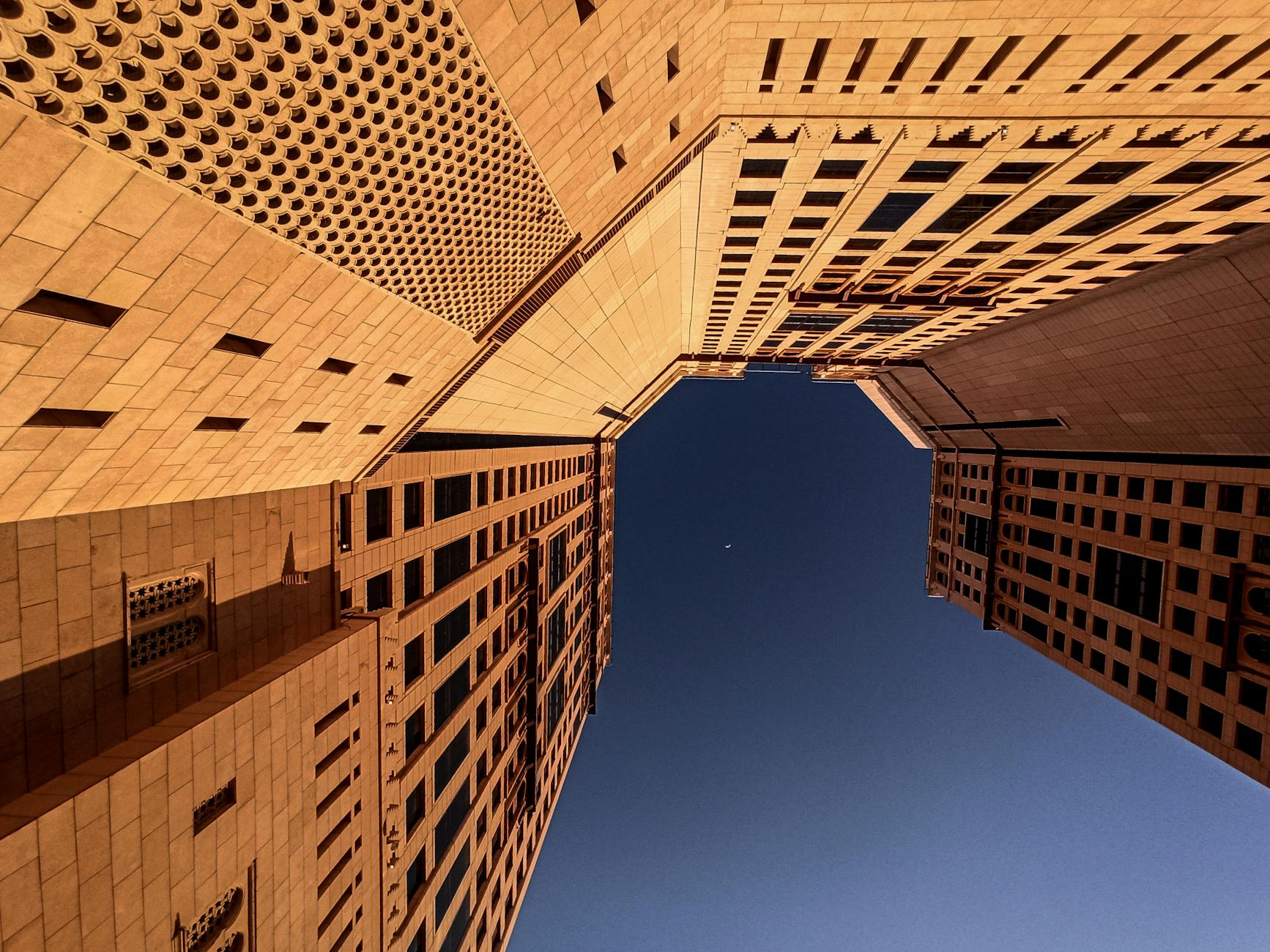
Saudi Arabia's luxury retail story has long been told through the prism of its mega-malls — cavernous, air-conditioned monuments to consumption that defined the Kingdom's relationship with prestige commerce for decades. That chapter is not ending. But it is being decisively supplemented. Across Riyadh, Jeddah, and the Red Sea coast, a quieter, more considered model is taking shape — driven by experiential design, private clienteling, and the tastes of a younger, globally literate Saudi consumer who has grown impatient with the department store floor plan as a proxy for sophistication.
The Mall Is Not Enough
For much of the past two decades, the Kingdom's luxury retail infrastructure was anchored by landmark developments — Mall of Arabia in Jeddah, Riyadh Park, and the emerging cultural precinct at Diriyah Gate. These venues served their purpose: they gave international maisons a foothold in one of the world's most underserved luxury markets. Saudi Arabia currently ranks among the top fifteen luxury goods markets globally, with the personal luxury goods segment valued at approximately $1.8 billion annually and projected to exceed $2.4 billion by 2028, according to estimates from Bain & Company and regional trade bodies.
But volume is only part of the picture. The more significant shift is qualitative. Saudi consumers — particularly those aged 25 to 45 from established merchant and business families — are demanding something malls were never designed to deliver: intimacy, curation, and the sense that a purchase exists beyond the reach of the general public. That is not a niche preference. It is a structural re-ordering of what luxury means in this market.
Standalone Flagships and the Architecture of Exclusivity
The most visible expression of this shift is the standalone flagship. Several European maisons are now prioritising this format in Riyadh with a seriousness previously reserved for Paris, Milan, and Tokyo. Louis Vuitton's dedicated space on Tahlia Street — long the Kingdom's informal luxury corridor — set an early template: a purpose-built retail environment with private salons, bespoke appointment services, and interior design commissioned specifically for the Saudi market. Cartier, Bottega Veneta, and Dior have followed with comparable investments.
The logic is not complicated. A standalone flagship signals permanence and respect in a market where institutional relationships carry enormous weight. It also allows a maison to control the full client experience in ways that a concession within a mall anchor tenant simply cannot. For Saudi clients accustomed to receiving comparable treatment in Geneva, London, or Dubai, the expectation of equivalence at home has become non-negotiable. The maisons that grasped this early are pulling ahead. Those still operating through multi-brand department store arrangements are losing ground — not just commercially, but reputationally.
The Private Clienteling Revolution
Beyond architecture, the more profound transformation is happening off the shop floor entirely. A growing cohort of Saudi luxury retailers and brand representatives are running what amounts to a parallel, invitation-only retail system — conducted through WhatsApp, private showrooms, and curated in-home presentations that never touch the public domain.
This model has deep roots in Gulf merchant culture, where business has always moved through personal relationships rather than transactional encounters. What is new is the formalisation and the scale. Several Riyadh-based luxury boutiques that The Platinum Capital spoke with describe dedicating between 30 and 45 percent of their revenues to private client sales conducted entirely outside their physical store footprint. The categories leading this shift are predictable — high jewellery, made-to-measure tailoring, limited-edition watches. But the model is expanding fast into furniture, art, and private label fragrance, where Saudi appetite for bespoke olfactory identity has generated an entirely new commercial category. Few outside the region have noticed. They should.
The broader Gulf context reinforces this trajectory. Dubai recorded 296 home sales worth more than $10 million in the first half of 2026 alone, with Knight Frank reporting deal values rising 14 percent year-on-year to $5.1 billion. The same wealth cohort driving those transactions — Gulf nationals, Arab diaspora capital, and UHNW investors from Central Asia and Africa who have historically treated Riyadh as their primary Gulf destination — is now directly shaping luxury retail demand in the Kingdom. Family offices managing this capital are no longer passive consumers. They are active investors in the retail real estate and brand licensing structures that underpin Saudi luxury commerce.
Vision 2030 as a Luxury Infrastructure Catalyst
State-directed economic programmes rarely produce genuine consumer infrastructure. Vision 2030 has. It has also done something harder: it has cultivated the aspirational identity that luxury brands require before they commit serious capital. Diriyah, NEOM's Sindalah island development, and the Red Sea Project are not merely tourism assets — they are luxury retail incubators operating at a scale no private developer could replicate.
Sindalah, conceived as a premium yachting and resort destination, is expected to attract a resident and visitor profile that mirrors the clientele of Monaco or Porto Cervo. The commercial implications are considerable — both for in-situ retail and for the Riyadh and Jeddah flagships that will serve these same visitors before and after their stays. Several European maisons are already in advanced discussions with Public Investment Fund development subsidiaries regarding anchor retail positions within these precincts. The deal structures reflect the long-term, partnership-oriented approach the Kingdom increasingly demands from international luxury partners. This is not a landlord-tenant relationship. It is closer to a joint venture with a sovereign backer.
What Comes Next for Investors and Brand Strategists
For family offices and private investors evaluating the Saudi luxury retail opportunity, the most compelling positions are not in the headline flagship leases — those are largely captured by the maisons themselves. The opportunity sits in the supporting ecosystem. Luxury retail real estate on streets such as Tahlia and Prince Mohammed bin Abdulaziz in Riyadh is commanding premium yields and capital appreciation that rival comparable assets in Jumeirah or Downtown Dubai.
The numbers tell a complicated story, and a promising one. The homegrown Saudi luxury segment — fashion, fragrance, jewellery, and hospitality concepts built on genuine Saudi cultural identity rather than Western imitation — represents an early-stage investment category that is beginning to attract serious attention from regional family offices and sovereign-adjacent vehicles. Brands such as Jamal Taslaq in bespoke tailoring, and a small constellation of Riyadh-based high jewellery houses, are demonstrating that Saudi luxury authenticity commands a premium that imported European names alone cannot satisfy.
The consumer driving this evolution is young, wealthy, internationally educated, and increasingly insistent that her own culture deserves the same reverence a Paris maison commands. Building the commercial architecture to serve that consumer — beyond the malls, beyond the concession model, beyond the formats inherited from a previous generation — is the defining luxury business challenge in Saudi Arabia today. The opportunity is real. It is also, remarkably, still early. Most of it has yet to be priced in.
Written by
Khalid Al-Rashidi
Gulf & Middle East Correspondent · Emerging & Strategic Wealth
Khalid covers the family offices, luxury operators, and strategic capital moving across the GCC and wider Arab world — often before the rest of the region notices. He's spent years tracking how Gulf wealth structures itself for the next generation, from residency programmes to private aviation. Based between Dubai and Riyadh. Reach out at khalid.al-rashidi@theplatinumcapital.com.