

Art Collecting in the Gulf: Galleries, Fairs, and Private Museums
The Gulf's art market has evolved far beyond decorative acquisition, emerging as a sophisticated asset class where blue-chip works by Middle Eastern masters and global contemporary names are commanding record valuations at Art Dubai, Abu Dhabi Art, and a growing constellation of invitation-only private sales. For family offices and sovereign wealth strategists seeking portfolio diversification with cultural capital, the region's rapidly maturing gallery infrastructure and landmark private museums now represent one of the most compelling intersections of prestige, patrimony, and long-term value preservation available to discerning collectors worldwide.…
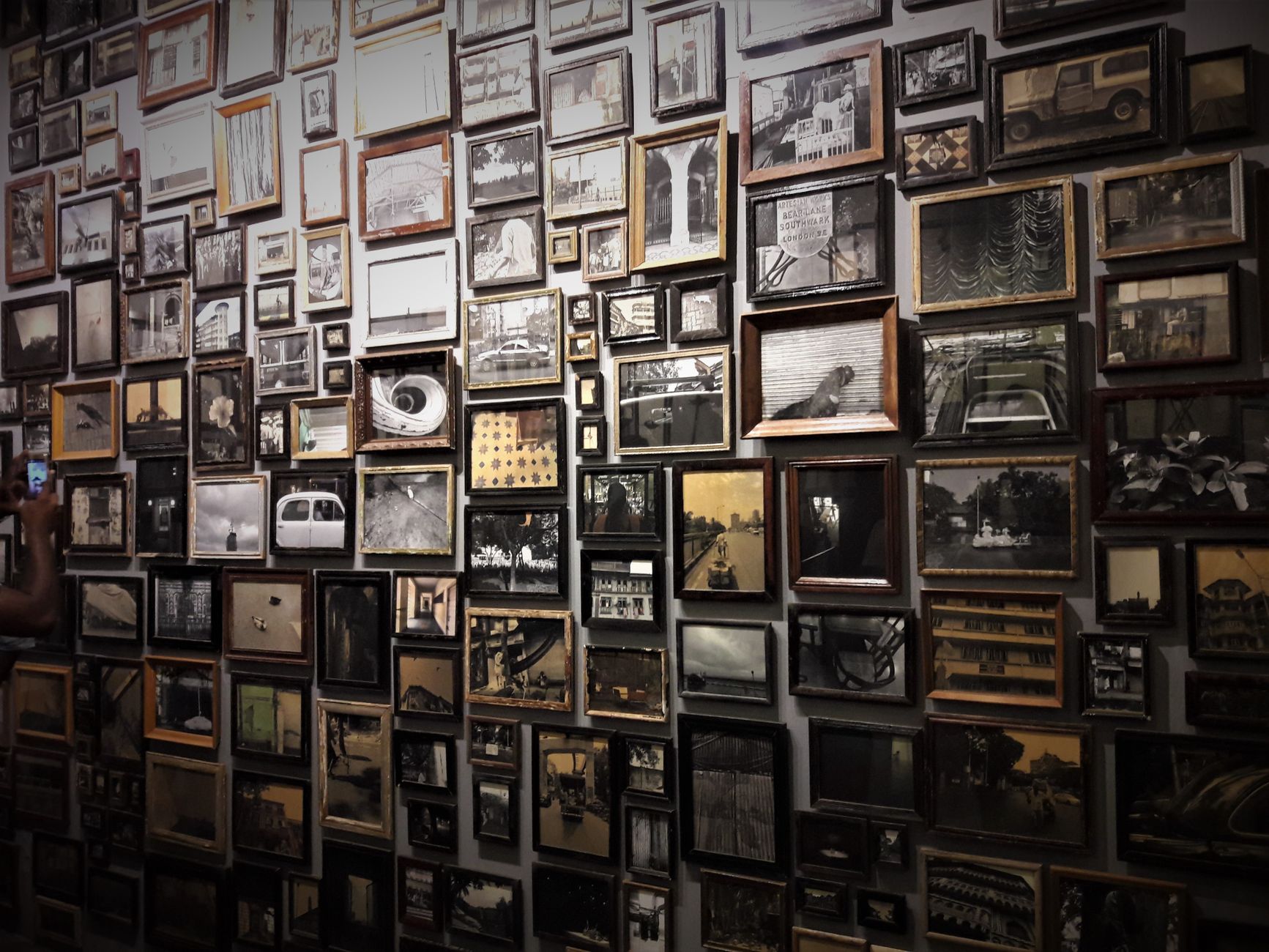
When a single penthouse in Dubai's Bugatti Residences trades at AED 550 million — and a six-bedroom apartment at Aman Residences sells for $114.9 million — the conversation about what Gulf wealth buys at the highest level stops being purely about property. For the region's most sophisticated collectors and family office principals, the walls of those properties have become as consequential as the properties themselves. Art in the Gulf is no longer a cultural footnote to real estate wealth. It is a parallel asset class, a statement of identity, and, for a growing number of private institutions, a generational legacy play.
From Decoration to Conviction: How Gulf Collectors Have Evolved
A decade ago, the pattern was predictable. Blue-chip Western names. Some Orientalist works. Occasional forays into Islamic art through the major London and New York auction houses. That profile has shifted — decisively and without much fanfare. Today's serious Gulf collector, whether based in Riyadh, Abu Dhabi, Doha, or Dubai, operates with curatorial conviction. They acquire works from artists across the Arab world, Iran, South Asia, and Sub-Saharan Africa with the same rigour a family office applies to a private equity mandate. The decision is rarely impulsive. Advisors, curators, and dedicated art consultants are now standard fixtures in the offices of collectors managing portfolios above $200 million.
The numbers tell a complicated story. The Middle East and North Africa art market recorded an estimated $450 million in combined auction and private sales in 2025, with Dubai consolidating its position as the region's primary transaction hub. Christie's, which has maintained a meaningful Gulf presence for over fifteen years, reported a 22% increase in buyer registrations from Saudi Arabia alone over the past two years. That is a direct reflection of Vision 2030's cultural liberalisation — and the emergence of a younger, internationally educated Saudi collector class that is spending with serious intent.
The Fair Circuit and What It Signals
Art Dubai remains the region's anchor event. But its significance in 2026 runs well beyond its March calendar dates. The fair's 2026 edition attracted galleries from 44 countries. Private sales concluded at values that, according to exhibiting dealers, routinely exceeded seven figures for premium works. The buyers were increasingly regional — Gulf family principals, Levantine diaspora collectors based in the UAE, and a rising cohort from Central Asia, particularly Kazakhstan and Azerbaijan, where sovereign and private wealth is actively chasing cultural credibility alongside financial returns. Few outside the region have noticed. They should.
The Abu Dhabi Art Fair, held each November on Saadiyat Island, operates in a distinct register — more institutional, more tightly aligned with the emirate's museum ambitions, and deeply connected to the programmatic vision of the Department of Culture and Tourism. For collectors with philanthropic or legacy motivations, Abu Dhabi Art offers a rare opening: the chance to position acquisitions within a credible institutional dialogue spanning the Louvre Abu Dhabi, the Guggenheim Abu Dhabi (currently in advanced construction), and the forthcoming Natural History Museum. These are not peripheral developments. They are creating an institutional gravity that rewards serious private collectors who engage early and engage strategically.
Private Museums: The Gulf's Most Ambitious Cultural Statement
No trend better illustrates the maturity of Gulf collecting than the accelerating construction and programming of private museums. Qatar's model — built on the extraordinary Qatar Museums Authority under Sheikha Al-Mayassa bint Hamad Al-Thani, whose annual acquisition budget has been estimated at $1 billion — remains the regional benchmark. But it has inspired rather than monopolised. In Saudi Arabia, private museum initiatives are quietly advancing in Jeddah and Riyadh, anchored by established merchant families whose collections span three or four generations. The Al-Thukair family's collecting activities, centred on Islamic art and contemporary Saudi practice, represent precisely the kind of private institution-building that avoids international headlines while carrying enormous domestic cultural weight.
Dubai runs a different model — more entrepreneurial, less dynastic. The Jameel Arts Centre, a non-profit initiative of Abdul Latif Jameel, has demonstrated that private institutional investment in art infrastructure generates both cultural return and significant reputational capital. Its programming — combining international residencies, commissions, and a permanent collection built on genuine curatorial independence — is being studied closely by families in Bahrain and Oman who are at earlier stages of deciding whether to formalise the institutional structures around their collections. The Jameel model has given them a workable blueprint.
The Gallery Ecosystem: Who Is Building Infrastructure
Behind every serious collector and every ambitious museum programme sits a gallery ecosystem that either enables or constrains the market's development. In Dubai, Alserkal Avenue continues to function as the region's most coherent gallery district, housing over thirty spaces across a former industrial compound in Al Quoz. Leila Heller Gallery, Carbon 12, and Green Art Gallery have each built genuine international reputations — allowing Gulf collectors to transact with a level of market confidence that simply did not exist fifteen years ago. That infrastructure matters more than most buyers acknowledge.
Riyadh's gallery ecosystem is earlier in its development but advancing fast. 21,39 — Jeddah Arts, an annual exhibition held across the city, has created a platform for Saudi artists that feeds directly into collector interest both domestically and internationally. Works by artists including Ahmed Mater and Ayman Yossri Daydban have crossed into major international auction results, giving buyers the commercial liquidity they need alongside aesthetic conviction. The broader pipeline — art schools, residency programmes, state-backed commissioning — is one that sophisticated collectors are already tracking five to ten years ahead of secondary market emergence. That is where the asymmetric opportunity sits.
What Forward-Looking Collectors and Family Offices Should Consider
For family offices and private investors operating across the Gulf and the wider region, the art market in 2026 presents specific opportunities that will not stay open indefinitely. Saadiyat Island's institutional build-out will significantly lift the cultural and commercial value of works held in its orbit. Collectors who have positioned themselves in dialogue with those institutions — through loans, advisory roles, or early patronage — will find their collections carrying weight well beyond market valuation alone.
The parallel boom in ultra-luxury real estate sharpens that case further. Knight Frank's data shows 296 Dubai home sales above $10 million in H1 2026, totalling $5.1 billion. That volume is creating natural demand for art advisory services at the residential level. Developers including Binghatti are already integrating art programming into flagship projects. For established collectors, this represents both a liquidity opportunity and a curation challenge: the market for museum-quality presentation in private residential settings is growing faster than the supply of works with the provenance depth and institutional validation to meet it. Those who built their collections with that rigour will be best placed to meet that demand — and to define, on their own terms, what Gulf collecting means for the generation ahead.
Written by
Khalid Al-Rashidi
Gulf & Middle East Correspondent · Emerging & Strategic Wealth
Khalid covers the family offices, luxury operators, and strategic capital moving across the GCC and wider Arab world — often before the rest of the region notices. He's spent years tracking how Gulf wealth structures itself for the next generation, from residency programmes to private aviation. Based between Dubai and Riyadh. Reach out at khalid.al-rashidi@theplatinumcapital.com.