

Fine Jewellery Brands Built by Gulf Families for Gulf Clients
Across the Gulf's most discreet drawing rooms and private banking corridors, a quiet but formidable shift is redefining the global fine jewellery landscape — one where heritage-driven family enterprises from Riyadh to Dubai are no longer content to wear Western luxury, but are engineering it on their own terms. These are not vanity projects or lifestyle indulgences; they are calculated capital ventures, where generational wealth, sovereign taste, and an intimate understanding of the region's gift-giving culture are being forged into brands with the structural discipline to rival the storied houses of Geneva and Paris.…
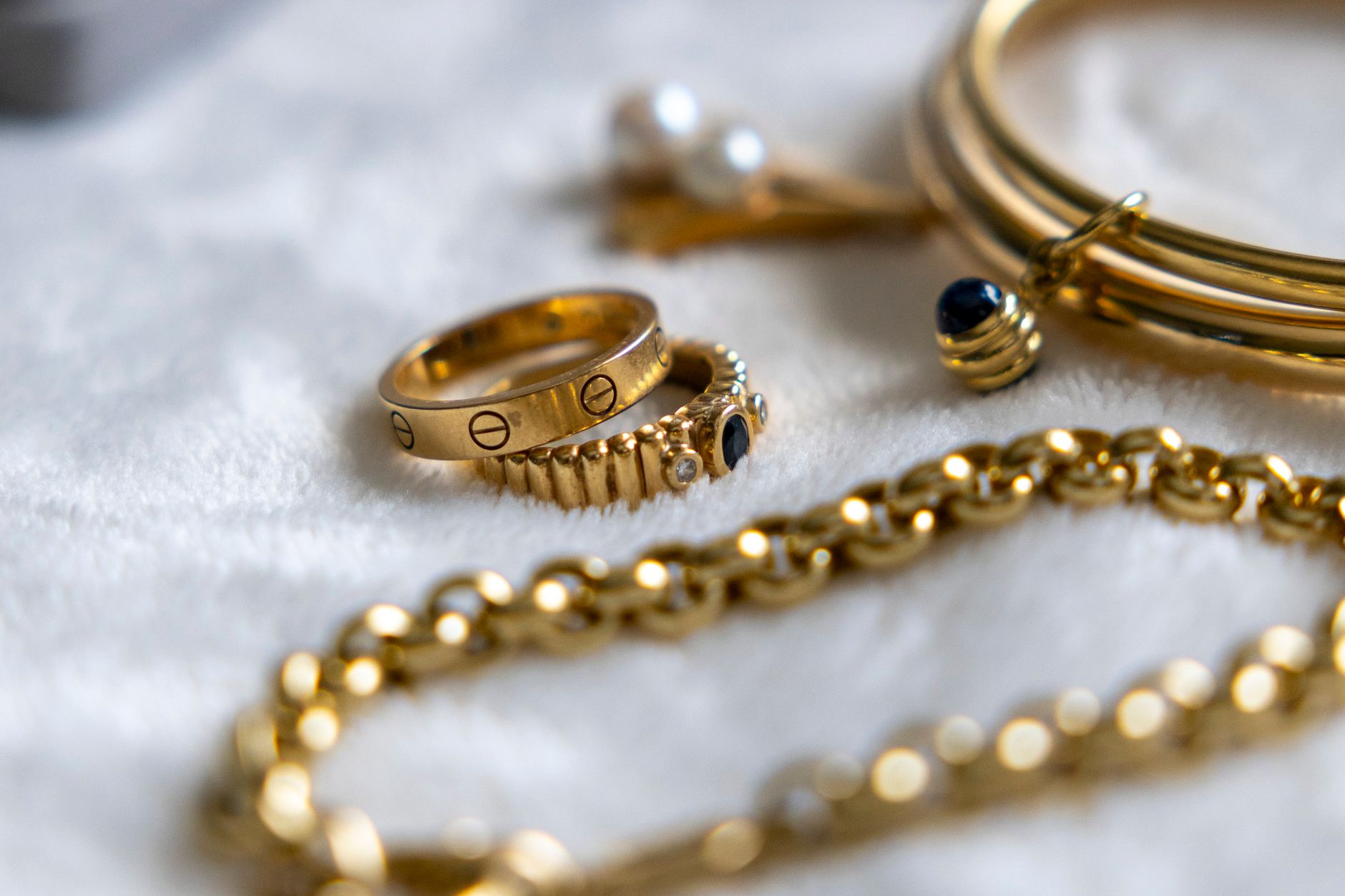
When a Gulf woman commissions a necklace, she is rarely buying jewellery. She is acquiring a statement of lineage, a declaration of taste, and often a quiet store of generational wealth — all compressed into a few centimetres of platinum, gold, and stone. That understanding, granular and culturally precise, is what separates the family-founded fine jewellery houses of the Gulf from their European counterparts. The latter may hold the heritage certificates. The former hold the relationships.
A Market Built on Discretion, Not Display Windows
The Gulf fine jewellery market runs to more than $3.5 billion annually across the GCC, with Saudi Arabia and the UAE accounting for the largest share of high-ticket purchases. But the numbers tell a complicated story. The most significant transactions — custom commissions running into six and seven figures — rarely touch the retail floor. They happen in private salons, family majlises, and increasingly in the intimate settings being cultivated around major developments.
The March 2026 closure of Arabian Acres' record Dh400 million Dubai beachfront land deal — delivering three ultra-luxury villas with private marina docking — signals something broader: Gulf UHNW capital is clustering around curated private environments, and fine jewellery is following it. Brands that read this geography, both physical and social, are the ones building client books that last. The ones that don't are fighting for space in mall corridors.
Several Gulf family-owned jewellery houses have spent decades constructing exactly this kind of embedded access. They are not chasing footfall. They are sitting across the table from the same families, generation after generation, knowing that a 45-year-old matriarch's taste was shaped by what her mother wore to a wedding in Jeddah in 1987.
The Families Behind the Stones
Damas Jewellery remains the most architecturally significant Gulf-born jewellery institution. Rooted in the UAE, the house traces its origins to a Syrian goldsmith family that arrived in Dubai in 1907. After a refinancing and strategic reset, Damas has repositioned firmly toward high jewellery — pieces priced above AED 100,000 — targeting the region's multigenerational wealth holders rather than aspirational retail buyers. Its Levantine design heritage, fused with an acute awareness of Gulf bridal tradition, gives it a positioning no European house can genuinely replicate. That is not sentiment. It is competitive advantage.
Alongside Damas, a new generation of Gulf-rooted fine jewellery founders has emerged. Many are women from prominent trading or merchant families who trained at European ateliers before returning to build client-focused houses at home. They understand something their European competitors consistently underestimate: Gulf clients of significant means do not want to be sold to. They want to be understood. A 40-piece custom bridal set — a transaction that might exceed $800,000 in total value — requires a jeweller who knows the bride's family, the occasion's scale, and the specific weight preferences that differ markedly between, say, a Qatari and a Kuwaiti client. That knowledge takes years to earn. It cannot be imported.
Design Language as Cultural Fluency
What defines the strongest Gulf jewellery families is not stone-setting technique — though that is often exceptional. It is design fluency across Arabic aesthetic traditions. The Khaleeji preference for layered, statement gold pieces sits alongside a growing demand for understated high jewellery shaped by contemporary Saudi taste. Women along Riyadh's Al-Olaya corridor travel regularly to Geneva and Milan. They return with calibrated opinions on exactly what European houses are getting wrong about their market. Few of those houses are listening closely enough.
This sophistication is accelerating. NEOM's Sindalah Island is targeting a late 2026 opening, bringing an 86-berth superyacht marina and internationally designed hotels to the Red Sea. The luxury consumption ecosystem is expanding well beyond Dubai and Riyadh. Destination jewellery is already an established concept in Monaco and Portofino. The Gulf is now building the infrastructure to replicate it at scale — and with deeper pockets. A jewellery house that positions itself within the cultural programming of developments like Sindalah, or within the private villa networks emerging from deals like the Arabian Acres beachfront project, will reach clients in environments far more conducive to significant purchases than any retail counter ever could.
The Family Office Dimension
Here is a dynamic that rarely makes it into mainstream luxury analysis. Several GCC family offices — particularly in Kuwait and Bahrain — have taken minority positions in fine jewellery houses. Not primarily for financial return. As cultural patronage and brand association. These families understand that owning a share of a respected jewellery house confers a kind of soft prestige that no amount of real estate or equities can replicate. That is a significant shift in how Gulf private capital thinks about the luxury sector.
The model is gaining traction, and the broader context explains why. Qatari Diar's $29.7 billion commitment to developing Egypt's Mediterranean coastline, alongside its parallel $828 million hotel investment push in Cairo and Sharm El Sheikh, demonstrates the scale at which Gulf institutional capital is now shaping leisure and luxury ecosystems across the wider Arab world. Fine jewellery houses with the foresight to build salon presence within these emerging corridors — Alam Al-Roum, the Red Sea coast, East Cairo — will be accessing client concentrations that simply did not exist five years ago.
Gulf families increasingly purchase jewellery during the extended summer residencies that take them from Dubai to the Maldives to the Swiss Alps. Bringing the jeweller to where the client rests is not a novelty. For the best Gulf houses, it is already standard practice.
The Forward Position: Legacy Over Volume
The Gulf fine jewellery brands best positioned for the next decade are those consciously building archive and legacy rather than chasing revenue through volume. Custom commissions, documented provenance, pieces designed around specific family histories — these are the foundations of a house that a client's grandchildren will still reference by name. European houses took centuries to construct that kind of positioning. Gulf family jewellers are doing it in decades, with the advantage of cultural proximity that no amount of heritage marketing can manufacture.
For family office principals and private wealth managers considering the luxury sector, the Gulf fine jewellery category offers something genuinely rare. A business model where relationship equity is the primary asset. Barriers to replication that are real, not theoretical. And a client base — multigenerational Gulf and Arab families of significant means — that is both loyal and growing. The stones matter. The craft matters. But in this market, the family behind the brand matters most of all.
Written by
Khalid Al-Rashidi
Gulf & Middle East Correspondent · Emerging & Strategic Wealth
Khalid covers the family offices, luxury operators, and strategic capital moving across the GCC and wider Arab world — often before the rest of the region notices. He's spent years tracking how Gulf wealth structures itself for the next generation, from residency programmes to private aviation. Based between Dubai and Riyadh. Reach out at khalid.al-rashidi@theplatinumcapital.com.