

Luxury Resort Development in Saudi Arabia Under Vision 2030
Saudi Arabia's Vision 2030 has catalyzed an unprecedented wave of luxury resort development, positioning the Kingdom as the defining frontier for ultra-high-net-worth capital allocation in the global hospitality sector. From the coral-fringed coastlines of NEOM's Sindalah Island to the ancient sandstone canyons of AlUla, sovereign-backed megaprojects are rewriting the economics of destination development with land grants, tax incentives, and guaranteed infrastructure that no comparable emerging market can currently match.…

Saudi Arabia's ambition to become one of the world's premier luxury tourism destinations is no longer a projection — it is a construction site. Across more than 1,000 kilometres of Red Sea coastline, ancient volcanic highlands, and desert plains that once saw only camel routes, a generation-defining transformation is reshaping how the world's wealthiest travellers experience the Kingdom. Under Vision 2030, the Saudi government has committed over USD 800 billion to giga-projects that place luxury hospitality at the centre of economic diversification — a bet of unprecedented scale on the spending power and discernment of the global ultra-high-net-worth class.
A Strategic Recalibration at the Top
The most consequential recent development came in early 2026, when the Public Investment Fund signalled a deliberate pivot away from NEOM's more speculative tourism components — including the much-discussed Sindalah island yacht club — redirecting capital toward developments with clearer near-term revenue profiles and more immediate appeal to international visitors. Read this correctly. This is not a retreat. It is a sovereign wealth fund managing over USD 700 billion in assets drawing a hard line between a headline and a return. The shift places renewed emphasis on operational resorts, branded residences, and hospitality concepts capable of generating yield within the current decade.
For family offices and private investors monitoring Saudi Arabia's opening, that distinction carries real weight. Giga-projects at the conceptual stage attract international attention. Projects entering their operational phase attract institutional capital. The PIF's recalibration compresses the timeline between commitment and commercial reality — and that compression matters enormously to anyone with a serious allocation to consider.
The Red Sea and Amaala: Where Ultra-Luxury Finds Its Address
Red Sea Global remains one of the most closely watched luxury hospitality developments on earth. The eventual target: 50 hotels across 22 islands and six inland sites, deliberately capped at one million visitors annually. That constraint is a feature, not a limitation — it protects exclusivity and environmental integrity at the same time. The first phase, anchored by Six Senses Southern Dunes and the St. Regis Red Sea Resort on Shura Island, is already operational. Competitors in the Maldives or Seychelles cannot match this at equivalent scale or price point. Few have tried.
Amaala, Red Sea Global's ultra-luxury sister development on the northwest coast, sits even further upstream in the wealth hierarchy. Built explicitly around wellness, yachting, and the arts, its three distinct communities — Triple Bay, The Yacht Club, and The Island — are designed for a clientele that places privacy and curation above everything else. Branded residences within Amaala have drawn serious enquiry from Gulf family offices seeking trophy ownership alongside long-term capital appreciation. That pattern is already playing out in Dubai, where Q1 2026 luxury investment reached Dh87.71 billion — a 26% year-on-year increase — and where transactions above the USD 10 million threshold climbed from 113 deals in 2021 to 500 in 2025. Saudi Arabia is watching those numbers carefully. So should you.
The Branded Residence Opportunity Within the Kingdom
Luxury resort development in Saudi Arabia has become functionally inseparable from the branded residence model. The structure works on multiple levels simultaneously: developers monetise assets before completion, buyers acquire managed investment vehicles, and internationally recognised hospitality brands attach themselves to real estate that would otherwise struggle with price discovery in a market still finding its footing. Four Seasons, Rosewood, Aman, and Raffles have all entered discussions or signed agreements tied to Vision 2030 projects. The Raffles Jeddah is already operational — and already one of the Kingdom's most refined urban luxury addresses.
The buyer logic is well-established. In Dubai, branded residences consistently command premiums of 30% to 40% over comparable non-branded stock. The city's ultra-wealthy population — projected by Knight Frank to grow from 4,851 individuals in 2026 to 6,588 by 2031 — absorbs that premium without hesitation. Saudi Arabia's comparable demographic is expanding faster still, driven by domestic wealth concentration, returning diaspora, and the wave of international executives now stationed in Riyadh as the Kingdom's corporate and financial infrastructure matures. For the right buyer — particularly those with existing GCC ties or family offices managing multigenerational portfolios — a branded residence within a Saudi resort development is both a lifestyle asset and a structurally defensible store of value. That combination is rarer than it appears.
International Capital and the Emerging Gulf Investor Profile
What separates the current moment from earlier phases of Vision 2030 is who, exactly, is now engaging with it. Early interest came predominantly from developers chasing government mandates and hotel groups seeking brand extension. The enquiries arriving today — through project sales offices and private banking channels in Riyadh, Dubai, and increasingly in Almaty and Lagos — reflect a sharper calculus entirely.
Family offices from Central Asia, particularly Kazakhstan and Azerbaijan, where sovereign wealth has been accumulating quietly for two decades, are actively exploring co-investment structures in GCC hospitality assets. Nigerian and South African private investors, long familiar with luxury real estate in London and Lisbon, are now conducting direct due diligence on Red Sea and AlUla-adjacent developments. The geographic spread of that interest is new. It signals something.
AlUla deserves attention in its own right. The Royal Commission for AlUla has positioned the ancient Nabataean city as a cultural and experiential luxury destination without a genuine regional equivalent. Banyan Tree AlUla and Habitas AlUla are already drawing an internationally discerning clientele. The model here is not volume — it is depth of experience at a price point that communicates exclusivity without ambiguity. Room rates exceeding USD 2,000 per night are not exceptional at AlUla. They are expected.
Yield, Legacy, and the Long Game
For private investors and family offices assessing Saudi Arabia's luxury resort sector with genuine seriousness, the next eighteen months represent a meaningful entry window. The PIF's strategic refinements have stripped out speculative noise and brought the development pipeline into sharper commercial focus. Operational resorts are now generating real data — occupancy rates, average daily rates, repeat visitor profiles — that support credible underwriting rather than aspirational projection. That shift from story to spreadsheet is exactly what serious capital has been waiting for.
The Kingdom is also investing heavily in the infrastructure that luxury tourism demands but cannot manufacture quickly: Riyadh's King Salman International Airport, expanded private aviation terminals, and the regulatory frameworks that make yacht arrivals and private jet movements operationally seamless. Each of these compounds the value of resort holdings by improving access for precisely the clientele those resorts are built to serve.
Saudi Arabia will not capture every wealthy traveller who might otherwise choose the Maldives or the Amalfi Coast. But for investors with a ten-year horizon who understand where sovereign capital, demographic growth, and genuine natural beauty converge — the Kingdom's luxury resort sector is a proposition that is getting harder to walk past.
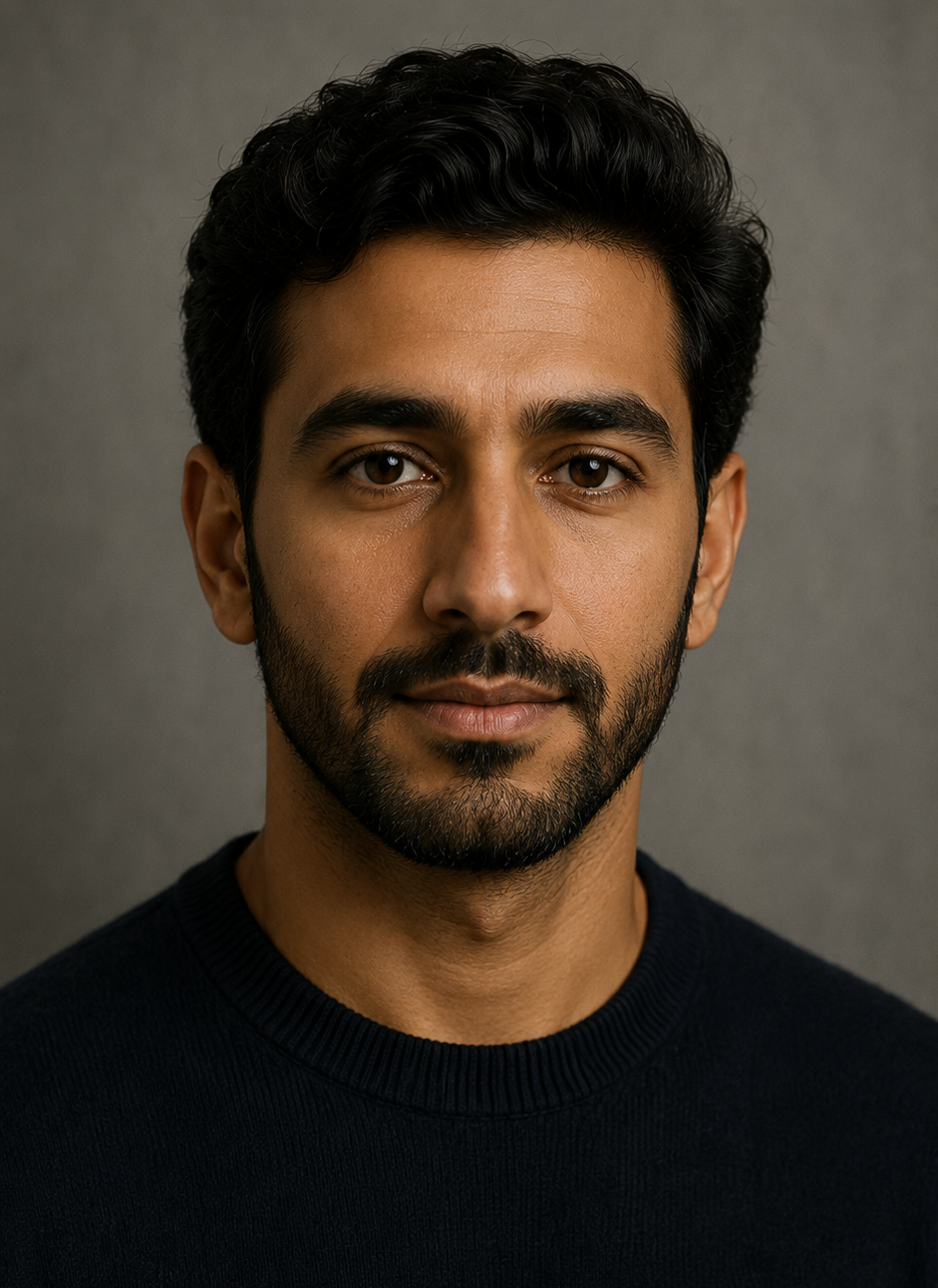
Written by
Khalid Al-Rashidi
Gulf & Middle East Correspondent · Emerging & Strategic Wealth
Khalid covers the family offices, luxury operators, and strategic capital moving across the GCC and wider Arab world — often before the rest of the region notices. He's spent years tracking how Gulf wealth structures itself for the next generation, from residency programmes to private aviation. Based between Dubai and Riyadh. Reach out at khalid.al-rashidi@theplatinumcapital.com.