

Luxury Watch Retail in the UAE: The Dealers Behind the Demand
In a market where oil wealth meets old-world craftsmanship, the UAE has quietly emerged as one of the world's most consequential arenas for haute horlogerie, with a handful of authorised dealers and grey-market operators commanding influence that extends far beyond the trading floor. Understanding who controls access to the most coveted references — from Patek Philippe's grand complications to Richard Mille's carbon-fibre masterpieces — is no longer a matter of connoisseurship alone, but a strategic consideration for those who recognise that the secondary watch market now functions as a credible, if unconventional, store of value in an era of portfolio diversification.…

At Dubai's Watches & Wonders pop-up events, the queues begin before dawn. Along Dubai Mall's Fashion Avenue and the corridors of Mall of the Emirates, waiting lists for Rolex Daytona references and Patek Philippe Nautilus variants stretch months — sometimes years. The UAE has quietly become one of the world's most significant luxury watch markets, where Gulf wealth, global travel, and a maturing collector culture have produced conditions that the world's most prestigious maisons are only now beginning to fully understand. Behind the glass counters and the allocation spreadsheets, a distinct class of dealers, independents, and authorised retail principals is shaping this demand — and, in many cases, defining it.
A Market Built on More Than Tourism
The conventional narrative positions the UAE's luxury watch market as a function of footfall — millions of tourists, a duty-free environment, a population accustomed to conspicuous quality. That framing badly understates the structural depth that has developed over the past decade. Swiss watch exports to the UAE reached CHF 1.09 billion in 2024, according to the Federation of the Swiss Watch Industry, placing the country consistently among the top ten global markets. But the more telling shift is qualitative. The proportion of high-complication pieces — minute repeaters, perpetual calendars, independent horology — absorbed by resident buyers and Gulf nationals has risen sharply. A collector class is maturing well beyond entry-tier luxury. Few outside the industry have tracked this closely. They should.
Family office principals across the GCC rank among the most active watch collectors globally, often acquiring timepieces as part of broader alternative asset strategies. Unlike equities or real estate, a watch portfolio offers portability, discretion, and in select cases, appreciation that outpaces conventional asset classes. The secondary market reinforces this: platform data from Chrono24 and WatchBox consistently show UAE-based sellers transacting at premiums across Audemars Piguet Royal Oak Jumbo references and F.P. Journe limited editions — pieces that arrive in Dubai through channels both official and grey.
The Authorised Dealer Structure — and Its Limits
The UAE's authorised dealer network rests on a handful of dominant retail groups. Rivoli Group, headquartered in Dubai, operates one of the most extensive multi-brand watch retail networks in the region — more than 220 points of sale across the GCC, with partnerships covering TAG Heuer, Rado, and Longines. Ahmed Seddiqi & Sons, the family-controlled retail institution founded in 1950, holds exclusive authorised dealer status for Rolex, Tudor, Patek Philippe, and several other top-tier references. That positioning is structural. No competitor has come close to replicating it. Their flagship in Dubai Mall remains one of the highest-volume luxury watch retail locations anywhere in the world.
Yet the authorised dealer model, by design, constrains supply. Allocations for trophy references are set at the manufacture level, and the UAE's authorised partners receive inventory commensurate with their purchase history and compliance with brand guidelines — not with the depth of local demand. That gap between what collectors want and what the official channel can actually deliver has sustained a sophisticated grey market operating openly across Gold Souk corridors in Deira, WhatsApp trader networks, and increasingly, curated dealer showrooms that occupy the grey-to-independent spectrum with considerable commercial success.
Independent Dealers and the Rise of the Collector-Curator
The most interesting development in UAE watch retail over the past three years has nothing to do with brand boutiques. It is the emergence of independent dealer-collectors operating as trusted intermediaries for high-net-worth buyers. These individuals — typically with backgrounds in finance, real estate, or family business — have built private inventories and client relationships that function more like concierge acquisition services than anything resembling traditional retail. They source allocated references through legitimate international networks, offer access to pre-owned pieces with full provenance documentation, and in some cases advise family offices on watch portfolios as a distinct alternative asset class. That is a significant shift from where this market stood five years ago.
Several of these independents have formalised their operations in recent years, registering as trading entities in Dubai's free zones and establishing showroom presences in DIFC, Downtown Dubai, and the emerging luxury corridor along Sheikh Zayed Road. The trend mirrors broader shifts in how UHNW wealth across the Gulf is being managed and deployed — with growing preference for curated, relationship-driven access over transactional retail. The same capital quietly backing bespoke beachfront developments — including the Dh400 million Jumeirah beachfront land deal closed by Arabian Acres in March 2026, structured for direct private placement among known UHNW networks — is seeking the same discretion and exclusivity when it comes to acquiring luxury objects.
Brand Strategy in a Maturing Gulf Market
The Swiss maisons are responding. Cautiously, selectively, and with increasing strategic attention to the region. Richemont-owned brands including IWC and Jaeger-LeCoultre have expanded their retail footprints in the UAE, while LVMH's watch division — TAG Heuer and Hublot among them — has invested in experiential retail formats that go well beyond static display. More telling, several independent Swiss manufactures — Richard Mille, MB&F, Urwerk — have cultivated direct relationships with Gulf collectors through private events, bespoke commissions, and invitation-only previews that bypass retail entirely. When a manufacture chooses to sell that way, it is not an accident. It is a statement about who they believe their real customers are.
The appetite extends well beyond the UAE. Saudi Arabia is emerging as a secondary demand centre of real scale. Vision 2030's socialisation agenda and the gradual relaxation of cultural restrictions around luxury consumption have unlocked a market that was largely opaque to the global watch industry until recently. Riyadh's luxury retail infrastructure remains thinner than Dubai's, but the collector base — concentrated among younger members of prominent business families and the Kingdom's growing entrepreneurial class — is sophisticated and increasingly well-connected to global auction houses. Phillips, Christie's, and Sotheby's have all staged Gulf-focused watch sales in recent years. The direction of travel is clear.
Allocation, Appreciation, and the Next Generation
For family offices and private investors treating watches as an asset class, the UAE market in 2026 presents both genuine opportunity and real discipline requirements. The numbers tell a complicated story. The era of passive appreciation — where any allocated Rolex guaranteed a secondary market premium — has moderated. Price corrections on certain steel sports references in 2023 and 2024 reminded the market that watch investment carries genuine risk. What has crystallised, however, is the long-term value case for rare, independent horology. Pieces from Patek Philippe, F.P. Journe, and Philippe Dufour continue to command prices that reflect genuine scarcity and craft that simply cannot be scaled.
The dealers who define the next phase of this market will not be those with the largest floor space. They will be those with the deepest collector relationships, the sharpest provenance standards, and the ability to operate credibly across the authorised, grey, and auction channels simultaneously. In a region where trust, discretion, and access remain the true currencies of luxury commerce, the watch market holds up a clean mirror to the broader private wealth economy of the Gulf — built on relationships that are long-standing, transactions that are rarely publicised, and collections that are almost never seen.
Written by
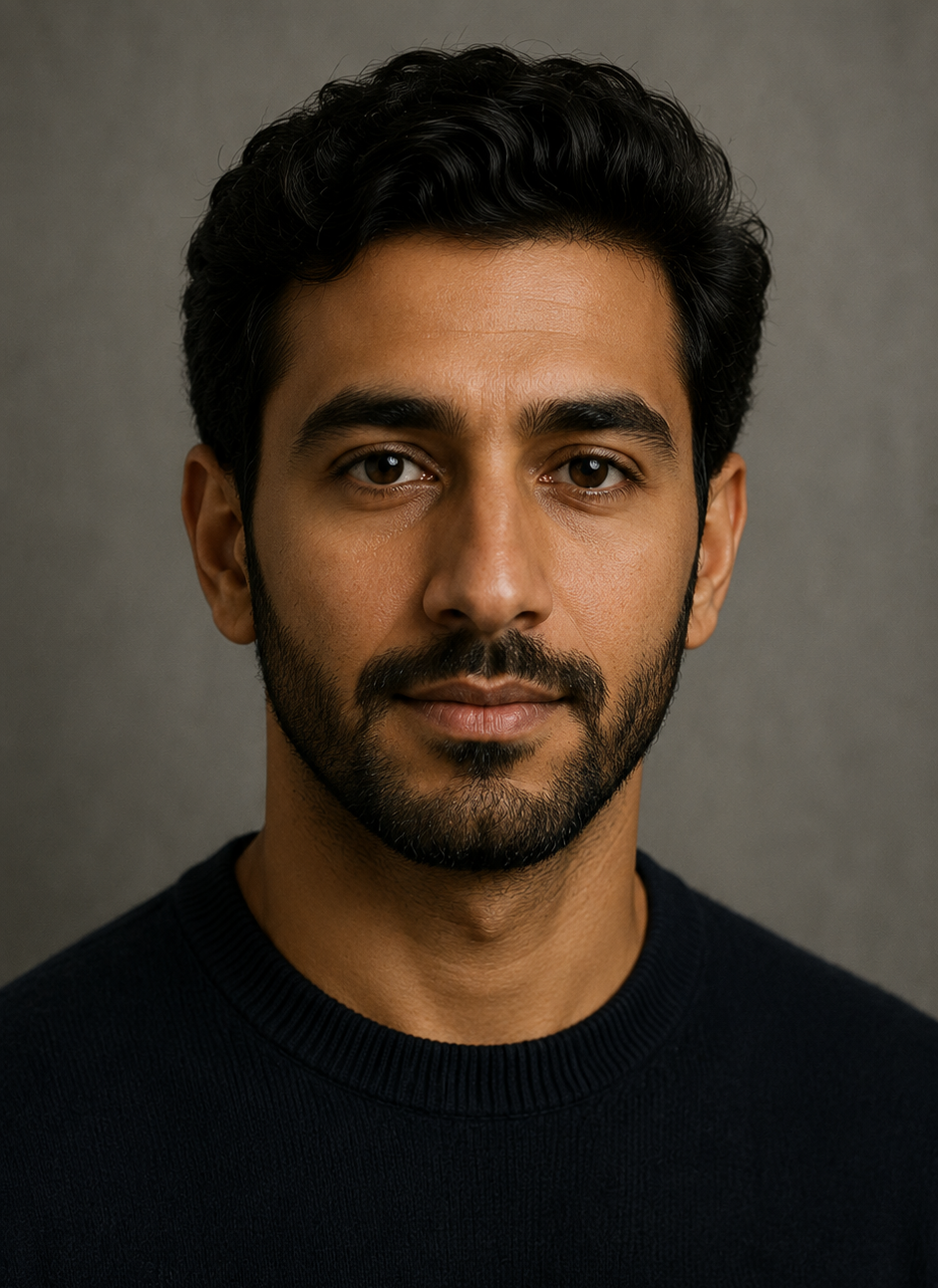
Khalid Al-Rashidi
Gulf & Middle East Correspondent · Emerging & Strategic Wealth
Khalid covers the family offices, luxury operators, and strategic capital moving across the GCC and wider Arab world — often before the rest of the region notices. He's spent years tracking how Gulf wealth structures itself for the next generation, from residency programmes to private aviation. Based between Dubai and Riyadh. Reach out at khalid.al-rashidi@theplatinumcapital.com.