

The Boutique Hotel Groups Redefining Luxury Across the Gulf
As sovereign wealth pivots toward experience-driven assets and ultra-high-net-worth travelers demand ever more rarefied forms of hospitality, a new generation of boutique hotel groups is quietly reshaping the Gulf's luxury landscape — blending architectural heritage with institutional-grade returns. Far from the monolithic branded towers that once defined regional prestige, these curated portfolios are commanding premium RevPAR multiples, attracting family office capital, and positioning the Gulf not merely as a hospitality market, but as the defining arena for the next chapter of global luxury.…
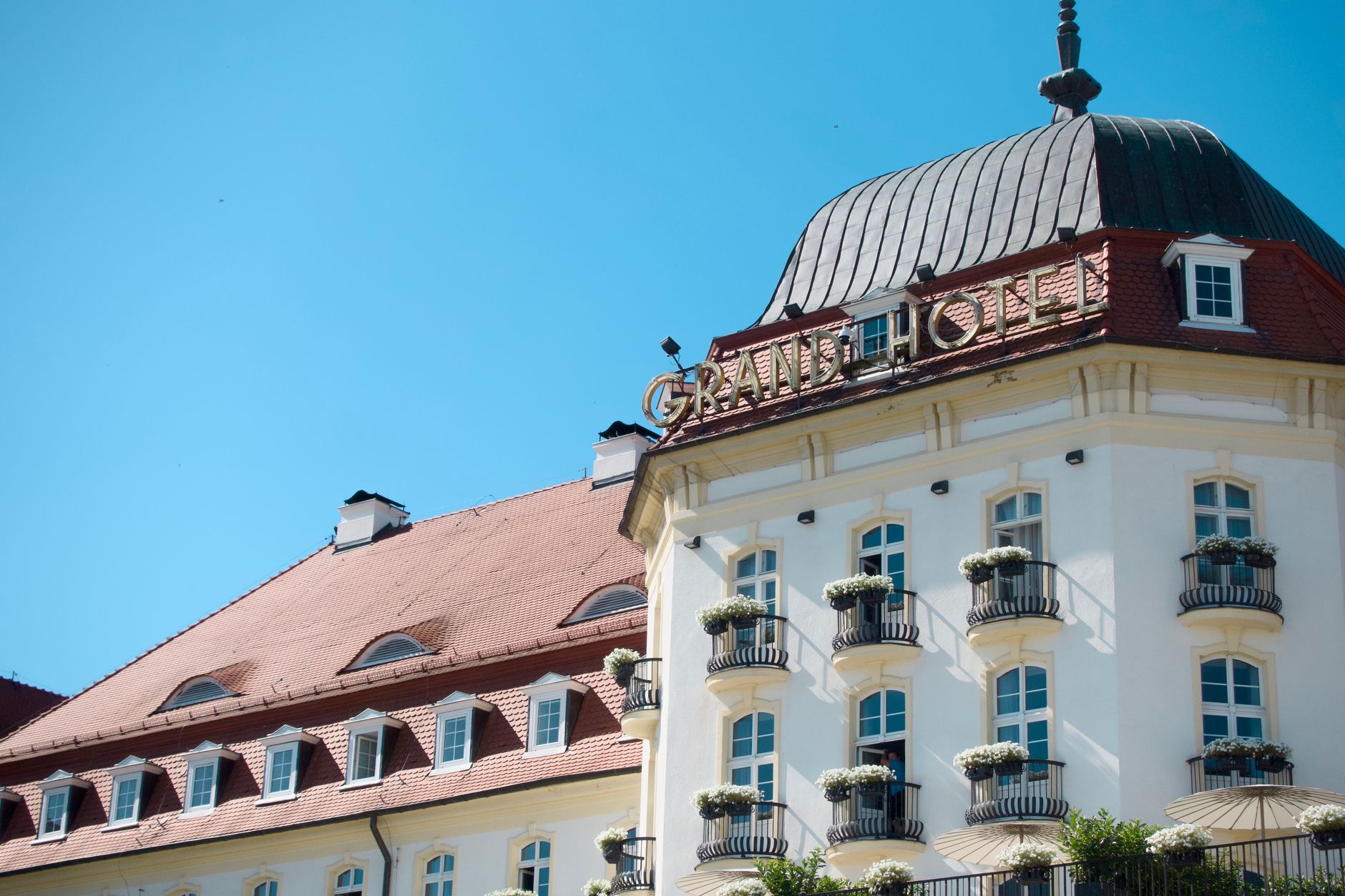
Something is shifting across the Gulf. Not loudly — but consequentially. The era of monolithic five-star hotel brands, those sprawling tower properties built for volume and brand recognition, is giving way to something altogether more considered. A new generation of boutique hotel groups is emerging across the UAE, Saudi Arabia, Qatar, and Bahrain — built not around room counts but around curation, discretion, and the kind of intimate service architecture that genuinely wealthy guests have long sought in Europe and Southeast Asia but rarely found at home. For family offices, private investors, and UHNW individuals who understand that hospitality is as much an asset class as it is an experience, this moment deserves close attention.
The Market Conditions That Made This Possible
For the better part of two decades, internationally franchised mega-brands owned the Gulf's luxury hospitality sector. That model served a purpose: it built credibility, attracted inbound tourism, and gave governments the headline numbers they needed. But it also produced a homogeneity that discerning travellers — and increasingly, discerning residents — have grown tired of. The data reflects a structural change in demand. Dubai's luxury hotel segment recorded average daily rates above $650 in Q1 2026, with occupancy in the ultra-premium tier running above 78%, according to industry tracking. More tellingly, properties under 60 keys are outperforming larger competitors on RevPAR by a margin of between 18% and 24% — a gap that has widened consistently since 2023. The conditions for boutique to win are now firmly in place.
The numbers tell a complicated story about where private capital is placing its conviction. The March 2026 acquisition of three adjacent Jumeirah coastline plots — totalling more than 113,000 square feet of prime Dubai beachfront, valued at AED 400 million ($109 million) — illustrated the depth of private wealth commitment to UAE hospitality real estate. Arabian Acres CEO Issa Atiq described the transaction as a reflection of "institutional and private wealth confidence" in UAE's regulatory transparency. With a projected gross development value exceeding AED 1 billion, at least a portion of that site is being watched closely by boutique operators who understand that ultra-luxury villas with private marina access represent exactly the typology that boutique hotel development is converging toward.
The Groups Setting the Standard
Several homegrown and regionally anchored groups are now operating with a sophistication that rivals anything produced in London or Milan. In the UAE, operators building around the private villa and intimate residence model are finding particular traction with Gulf nationals and long-stay residents who want five-star service without the lobby theatre. Properties on Al Jubail Island in Abu Dhabi, and along quieter stretches of the Dubai coastline, are being designed with no more than 20 to 35 keys, staff-to-guest ratios exceeding two-to-one, and F&B programmes anchored in regional culinary identity rather than imported concepts.
Saudi Arabia's hospitality story has been dominated by NEOM and its constituent gigaprojects — most visibly Sindalah Island, the $4 billion Red Sea superyacht marina and resort complex designed by Italian naval architect Luca Dini, targeting a 2026 opening. But read the operational decision-making carefully. The Public Investment Fund's choice to transfer Sindalah's management from NEOM to Red Sea Global — which already runs nine resorts along the Saudi coastline — signals a recognition that scale alone does not produce operational excellence. That is a significant shift. Red Sea Global's model integrates conservation commitments with curated, low-density resort experiences, placing it philosophically far closer to the boutique ethos than the gigaproject blueprint. It tells you something real about where Saudi Arabia's hospitality ambitions are genuinely heading, beyond the headline announcements.
Design, Identity, and the Gulf Aesthetic
What separates the most credible boutique operations from mere small hotels is the coherence of their aesthetic and cultural identity. The Gulf's most compelling new properties have moved decisively away from generic luxury codes — the marble lobbies, the European art, the imported restaurant concepts — and built their identity around Khaleeji architecture, regional materiality, and the particular quality of light that makes the Arabian Peninsula distinctive. Properties in Oman's Musandam Peninsula and along the historic cores of Jeddah's Al-Balad district are leading this conversation. They draw guests who are specifically seeking an experience that could not exist anywhere else on earth.
This shift in aesthetic ambition is pulling in a different calibre of design and architecture talent. International firms that once reserved their most considered work for the Maldives or Tuscany are now actively competing for Gulf boutique mandates. Few outside the region have noticed. They should. The work being done in Bahrain — where several families with significant real estate portfolios are converting heritage properties into intimate luxury residences — is particularly worthy of attention. Bahrain is culturally layered, architecturally rich, and almost purpose-built for the kind of story-driven hospitality that boutique formats tell best.
The Investment Case for Family Offices and Private Capital
For family offices and private investors operating in the USD 50 million to USD 500 million range, boutique hotel assets in the Gulf now present a genuinely compelling risk-adjusted opportunity. Acquisition costs per key in the ultra-luxury boutique tier remain 25% to 40% below equivalent assets in comparable European markets. Yield profiles — particularly in Dubai and Riyadh — are compressing toward those of established Western luxury markets as demand deepens. And the operational model, when anchored in a management structure that prioritises margin over volume, is producing EBITDA margins in the 32% to 38% range for best-in-class operators.
The more sophisticated play — one increasingly being executed by Gulf family offices with existing real estate holdings — is vertical integration. Acquire the land. Commission bespoke design. Retain operational control. Build a branded asset that appreciates both as real estate and as a hospitality business. This is precisely the logic underpinning developments along the Jumeirah coastline and the Red Sea. Smaller, well-capitalised private investors can replicate it at boutique scale without exposure to the execution risks that have troubled gigaproject-level ambition. The entry point is accessible. The upside is real.
What Comes Next
The boutique hotel groups redefining Gulf luxury are not simply filling a gap left by international chains. They are articulating a vision of Arabian hospitality that is confident, culturally rooted, and commercially serious. As Red Sea Global expands its low-density resort portfolio, as private capital continues to flow into Jumeirah beachfront land, and as the Gulf's wealthiest families begin treating curated hospitality assets as legacy holdings rather than passive investments, the boutique format will move from niche to mainstream within the regional UHNW conversation. The investors who move earliest — with the right operator relationships and the right sites — will define what Gulf luxury means for the next decade. The clock on that advantage is already running.
Written by
Khalid Al-Rashidi
Gulf & Middle East Correspondent · Emerging & Strategic Wealth
Khalid covers the family offices, luxury operators, and strategic capital moving across the GCC and wider Arab world — often before the rest of the region notices. He's spent years tracking how Gulf wealth structures itself for the next generation, from residency programmes to private aviation. Based between Dubai and Riyadh. Reach out at khalid.al-rashidi@theplatinumcapital.com.