

The Boutique Hotel Groups Redefining Luxury Across the Gulf
A new generation of independently operated boutique hotel groups is quietly reshaping the Gulf's hospitality landscape, moving beyond the region's long-standing association with mega-resort excess toward a more refined model rooted in architectural distinction, cultural intimacy and hyper-personalised service. These operators are commanding premium rates and attracting a discerning global clientele precisely because they offer what the established international chains cannot: an authentic sense of place combined with the exclusivity that true luxury now demands.…
The Boutique Hotel Groups Redefining Luxury Across the Gulf
When Jumeirah Group opened its flagship Burj Al Arab in 1999, the Gulf's luxury hospitality thesis was simple: build big, build tall, and let the spectacle do the talking. Nearly three decades later, a quieter revolution is underway. A new cohort of boutique hotel operators — many backed by family offices and sovereign-adjacent capital — is systematically dismantling the mega-resort model, replacing it with something more intimate, more culturally rooted, and significantly more profitable per key.
The numbers tell a compelling story. According to STR Global data published in early 2026, boutique and lifestyle hotels across the GCC posted average daily rates of $487 in 2025, a 22% premium over full-service luxury chains operating in the same markets. Occupancy rates for properties with fewer than 80 keys averaged 78.3%, outpacing the broader luxury segment by nearly six percentage points. For the family offices and private wealth vehicles bankrolling this expansion, the arithmetic has become irresistible.
The Emirati Vanguard: The Lana and Beyond
Dorchester Collection's The Lana, which opened on the Dubai Water Canal in 2024 with just 225 rooms and suites, has become something of a proof of concept. Owned by Brunei's Investment Agency but operated with a distinctly boutique sensibility — Foster + Partners architecture, a Supernormal restaurant from Andrew McConnell — the property reportedly achieved a RevPAR exceeding $600 in its first full year. That placed it among the top-performing hotels in the Middle East. Its success has accelerated a pipeline of similarly scaled projects across the Emirates.
Abu Dhabi's Department of Culture and Tourism has been particularly aggressive. The emirate's 2026 hospitality strategy explicitly targets "curated, design-forward properties" as a counterweight to its existing inventory of branded megaresorts. Aman's forthcoming resort on Al Fahid Island, expected to open in late 2027 with fewer than 50 rooms, represents the apex of this strategy. The project is understood to involve co-investment from a prominent Abu Dhabi-based family office alongside Aman's parent company, LVMH-backed Aman Group, at a reported development cost exceeding $3 million per key. That is eye-watering money for a property most guests will never hear of until they arrive.
Saudi Arabia's Boutique Ambitions Under Vision 2030
Perhaps nowhere is the boutique pivot more consequential than in Saudi Arabia, where the Public Investment Fund's tourism vehicles have historically favoured colossal developments — NEOM, the Red Sea megaproject, Diriyah Gate. Yet within these vast programmes, a more granular strategy is emerging. The Red Sea Global portfolio, now encompassing over 50 hotels across its two destinations, has deliberately allocated roughly 30% of its keys to operators with boutique and ultra-luxury positioning, including Six Senses, St. Regis, and the Middle East debut of Jayasom Wellness.
In AlUla, the Royal Commission has partnered with Habitas, the membership-driven hospitality group founded by Oliver Ripley, to operate a 100-key desert property that blends Nabataean heritage with contemporary wellness programming. Habitas AlUla, which expanded its capacity in early 2026, has drawn a clientele split roughly evenly between Gulf-based high-net-worth individuals and European travellers. That is a demographic mix that few Saudi hospitality assets have managed to achieve. Room rates averaging north of SAR 4,500 ($1,200) per night during peak season have validated the premium positioning.
Diriyah Company, the PIF-backed entity developing the historic Diriyah district outside Riyadh, announced in February 2026 that its hospitality component would include boutique properties from Aman, Fauchon, and the Bvlgari Hotel brand, alongside a locally conceived operator, Bab Diriyah, which is being developed with advisory input from Saudi family offices with generational ties to the Najd region. The intent is unmistakable: create hospitality assets that function as cultural artefacts, not merely places to sleep.
Family Office Capital and the Ownership Structure Shift
The financing architecture behind these projects reveals a broader trend in Gulf private wealth deployment. Traditionally, hotel ownership in the region was dominated by sovereign wealth funds and large real estate conglomerates. The boutique segment, with its lower absolute capital requirements and higher yield potential, has cracked the door open for family offices and ultra-high-net-worth individuals seeking direct real estate exposure with operational upside.
Knight Frank's 2026 Wealth Report identified hospitality as the fastest-growing alternative asset class among Middle Eastern family offices. Some 31% of surveyed single-family offices reported direct hotel investments, up from 19% in 2022. That is a significant shift. The preference runs overwhelmingly toward boutique and lifestyle formats. Bahrain-based Investcorp has raised a dedicated Gulf hospitality vehicle targeting sub-100-key properties, while Kuwait's KIPCO Group has expanded its boutique hotel holdings through its Hempel Collection subsidiary, adding properties in Muscat and Manama during 2025.
The economics are straightforward. A well-positioned boutique hotel in the Gulf can generate EBITDA margins of 45-52%, compared with 32-38% for a comparable full-service luxury property burdened by larger staff-to-guest ratios, extensive food and beverage operations, and higher maintenance costs on expansive physical plants. For patient capital — which family offices, by definition, represent — the return profile is deeply attractive.
Oman and Bahrain: The Quiet Contenders
While the UAE and Saudi Arabia command the most attention, Oman and Bahrain are cultivating boutique hospitality sectors with distinctive character. Few outside the region have noticed. Oman's Alila Jabal Akhdar, perched on the rim of a canyon at 2,000 metres elevation, has demonstrated for years that the sultanate can command ultra-premium rates outside the beach resort paradigm. In 2026, two new entrants — Anantara's Al Hajar Mountains retreat and a yet-to-be-branded property in Sur from the Omani family behind the Muscat Hills development — are expanding the country's boutique inventory into previously untouched geographies.
Bahrain, meanwhile, has leveraged its comparatively relaxed regulatory environment to attract Mondrian, which opened a 150-room property in Bahrain Bay in 2025 under Ennismore's creative direction, and The Craftsmen, a 42-room property in the Muharraq heritage district backed by a consortium of Bahraini private investors. The latter occupies a cluster of restored pearl merchant houses. It has become a case study in how intimate hospitality can drive heritage preservation — and earn robust returns doing so.
What Comes Next
The boutique hotel surge across the Gulf is not merely an aesthetic preference. It reflects a structural maturation of the region's tourism economies, a growing sophistication among domestic travellers who increasingly demand authenticity over opulence, and a recalibration of capital allocation among the region's wealthiest families and institutions. JLL's latest regional pipeline data puts announced boutique and lifestyle hotel investments across the GCC at over $4.2 billion for the 2026-2029 period. The segment is no longer a niche. It is becoming the defining expression of Gulf luxury hospitality's next act — smaller in scale, richer in meaning, and, for those writing the cheques, considerably more rewarding.
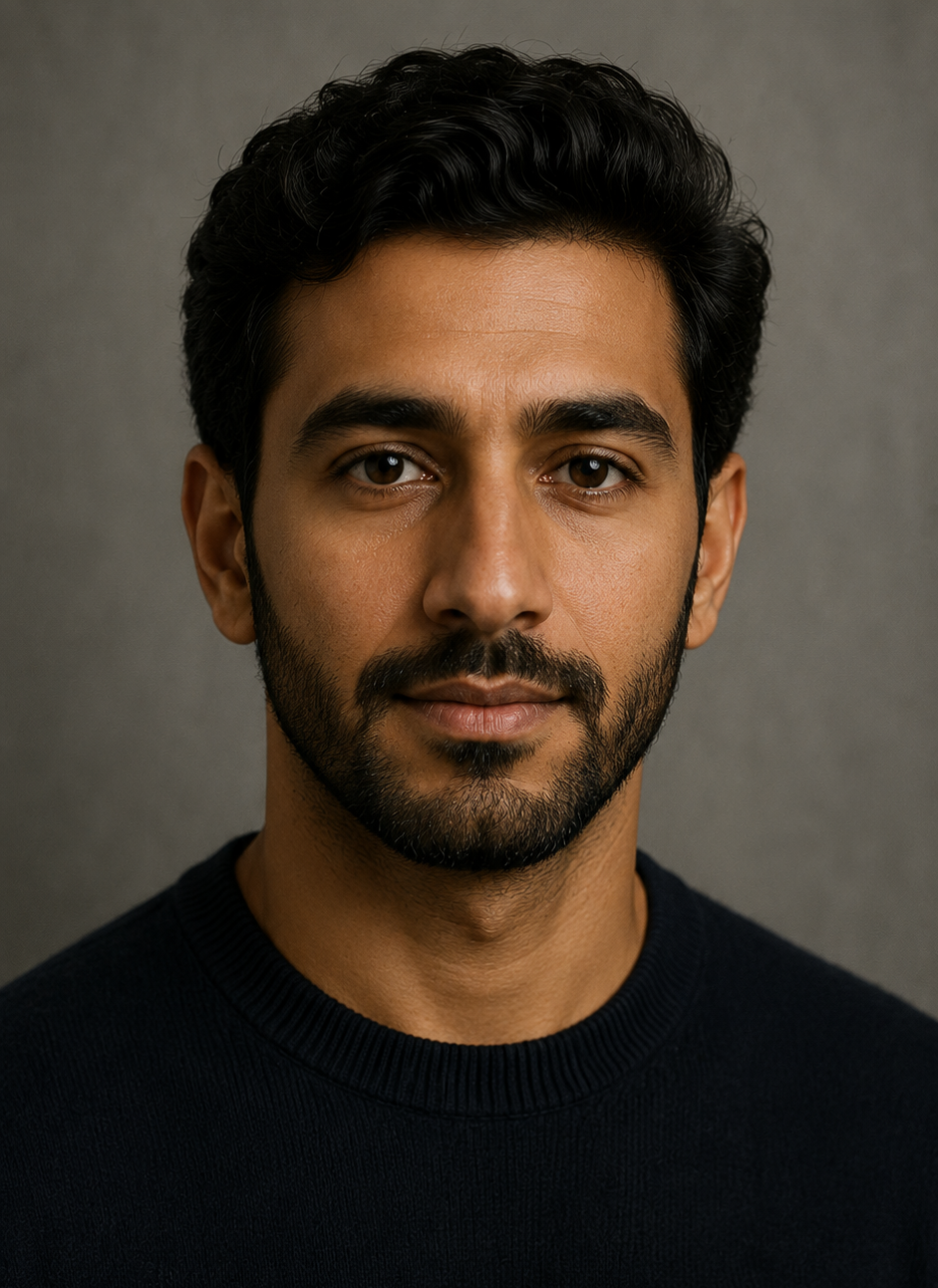
Written by
Khalid Al-Rashidi
Gulf & Middle East Correspondent · Emerging & Strategic Wealth
Khalid covers the family offices, luxury operators, and strategic capital moving across the GCC and wider Arab world — often before the rest of the region notices. He's spent years tracking how Gulf wealth structures itself for the next generation, from residency programmes to private aviation. Based between Dubai and Riyadh. Reach out at khalid.al-rashidi@theplatinumcapital.com.